- Home
- Comparisons
- African Grey Breeders Comparison
Documents first, promises second — how to judge any Grey seller
African Grey Parrot Breeders: An Honest, Documented Comparison
Where can you actually buy an African Grey, and which route is safe? We are a USDA-licensed African Grey breeder, so we will name our bias up front — then compare direct breeders, classified sites, marketplaces and rescue on the one thing that separates them: the documents each can put in your hands.
Compare Breeder Types Verification Checklist
USDA-licensedCITES-documentedPBFD/APV PCRDNA-sexed
Where Can You Actually Buy an African Grey, and Which Is Safe?
Quick answer: There are four places people buy an African Grey — a direct licensed breeder, a classified listing site, an online marketplace, and a rescue. Only the first can hand you a USDA license number, per-bird CITES paperwork and PCR health results at the source. Everything else on this page follows from that single difference, because the African Grey is a CITES Appendix I bird and its documentation is what makes a sale legal.
You buy the bird from the person who hatched it — the only channel that can hand you a USDA license number, per-bird PCR results and a CITES paper trail.
Safest — documents at sourceA directory that lists other people's birds. A green “verified” badge means the listing paid a fee, not that anyone checked a credential.
Verify each seller yourselfFacebook Marketplace, Hoobly and Craigslist mix a few real sellers with the bulk of reported parrot scams — deposit-and-vanish is the pattern buyers describe most.
Highest scam riskA legitimate, meaningful route for experienced owners — a Petfinder-listed rescue rehomes greys for a documented $200–$600 fee, history disclosed as far as it is known.
Great for experienced owners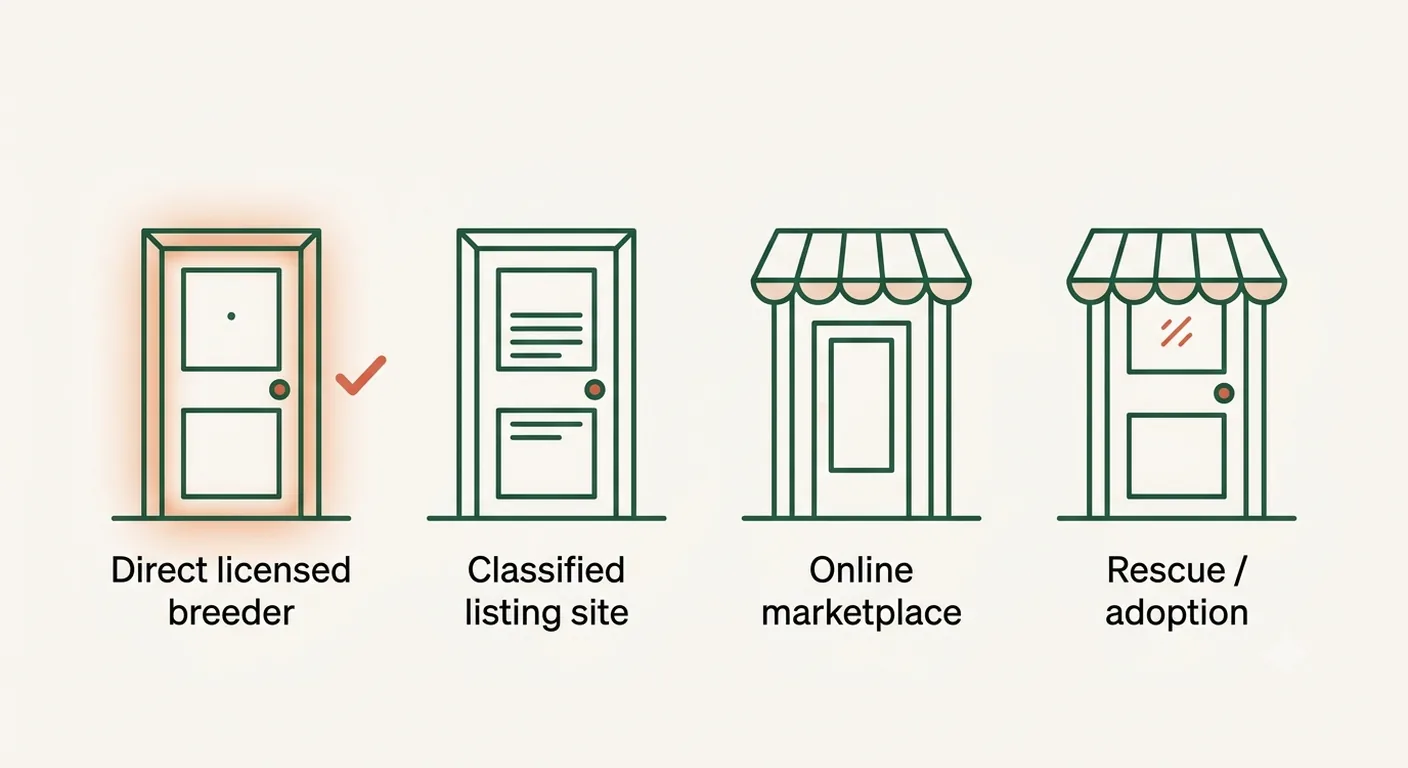
Our full African Grey comparison hub maps how this breeder-selection page fits alongside the species and variant guides, if you are still deciding which grey — or whether a grey at all — suits your home. The rest of this page settles the harder question: once you know you want an African Grey, how do you tell a real breeder from a good-looking listing?

The Numbers That Should Drive Your Breeder Choice
Eight figures, screenshot-ready — the documentation axis this whole comparison turns on. Every number below traces to our own aviary, our 30-breeder audit, or a public source we name; nothing here is a guess wearing a fact's clothing.
What Does a Reputable African Grey Breeder Actually Show You?
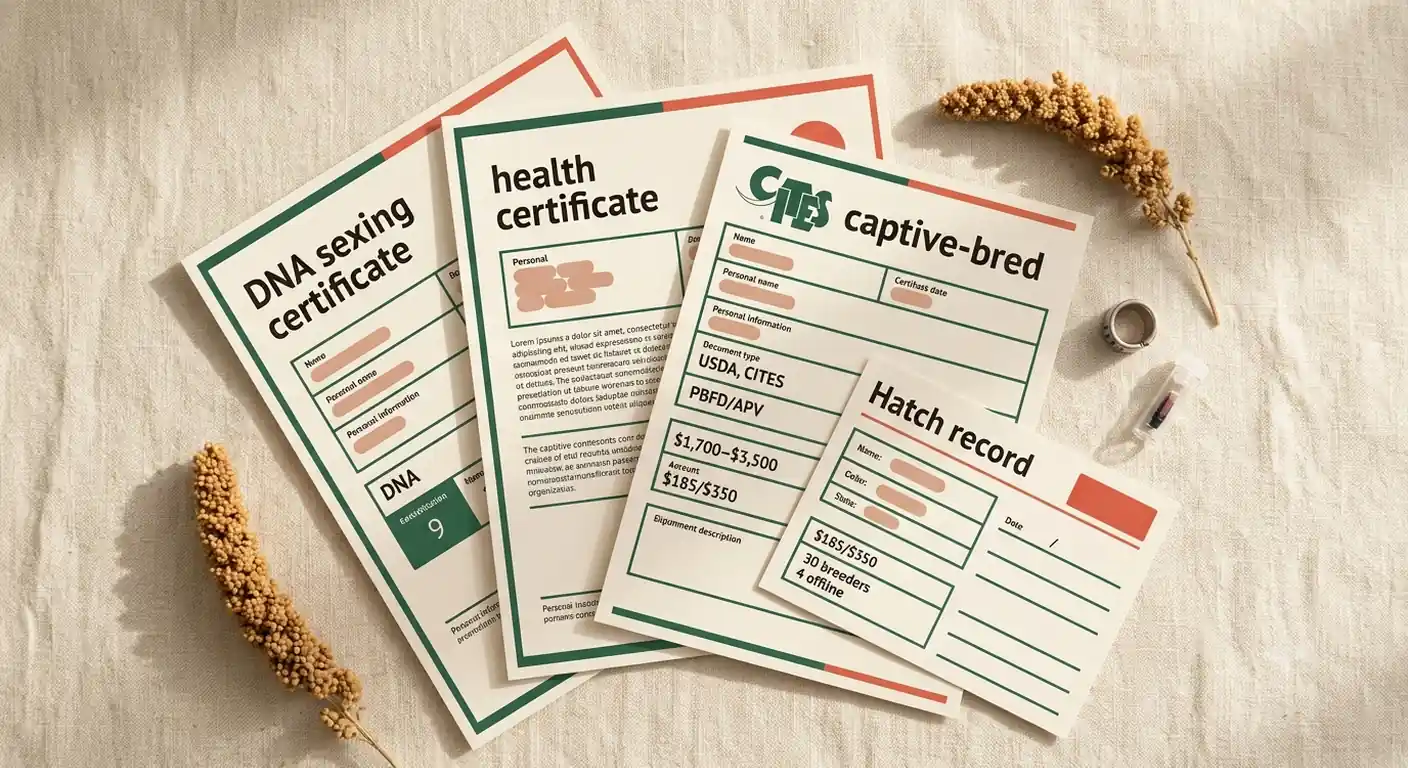
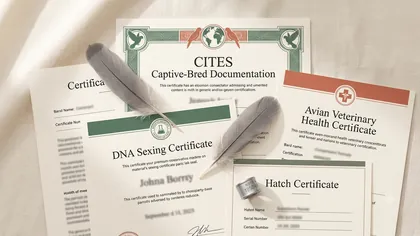
Before comparing seller types, fix the yardstick: a reputable African Grey breeder proves legitimacy with documents, not testimonials. These five pieces of paper are the entire test — every seller on this page either produces them or does not.
The Documentation a Real Breeder Can Produce
Facilities photograph well and say little. What separates a reputable African Grey breeder from a confident listing is the paper trail — and it is a short, specific list you can ask any seller to produce on the spot.
How Do You Verify a USDA Breeder License?
Ask for the number, then check it yourself. Commercial breeders selling across state lines are generally required to hold an Animal Welfare Act license, and the fastest legitimacy test in this entire comparison is a name that matches a live record.
Using the USDA APHIS Public Search
The USDA APHIS Animal Care public search ↗ lets anyone look up a licensee by name or number. When we audited 30 African Grey sellers, not one surfaced a license number on its homepage — a gap you can close in thirty seconds by simply asking.
What Paperwork Proves the Bird Is Captive-Bred?
Because the African Grey sits at CITES Appendix I, captive-bred documentation is not a nicety — it is the thing that makes a domestic sale legal at all.
CITES Appendix I Documentation
Our CITES documentation page details exactly what an Appendix I paper trail contains and why wild-caught birds cannot legally enter the pet trade. A closed leg band, sealed on in the nest and impossible to add to a wild adult, is the physical proof that outlasts any receipt — the heart of a genuinely captive-bred African Grey claim.
DNA-Sexing Certificate and Closed Leg Band
African Greys are not visually sexable, so a lab DNA-sexing certificate is the only honest way to state a bird's sex — the same standard behind our DNA-tested African Greys, and the reason a listing that promises a sex without a certificate is guessing.
What Health Screening Should Be Documented?
Two viral PCR tests separate a documented aviary from a hopeful one, and they are the health entities almost no competitor page names.
PBFD and Avian Polyomavirus PCR Screening
Per-bird PCR results for Psittacine Beak and Feather Disease and Avian Polyomavirus are the difference between a lab-verified result and a sentence promising a seller screens for everything. Every hand-raised African Grey we place ships with both.
Breeder note: how we screen each C.A.Gs chick
Every chick is PCR-tested individually, not sampled as a clutch — the result on the certificate belongs to the bird in the photo, and it goes into that bird's own file the day it comes back from the lab.
The Avian-Vet Health Certificate
A health certificate from a licensed avian veterinarian, issued shortly before transport, is required by most airlines for live-bird shipping anyway — so its absence tells you a seller either is not shipping legally or is not shipping at all.
Citation: Association of Avian Veterinarians
The Association of Avian Veterinarians ↗ maintains find-a-vet and health-standard resources worth using to confirm the certifying vet is real and licensed.
How Do the Breeder Types Compare Side by Side?
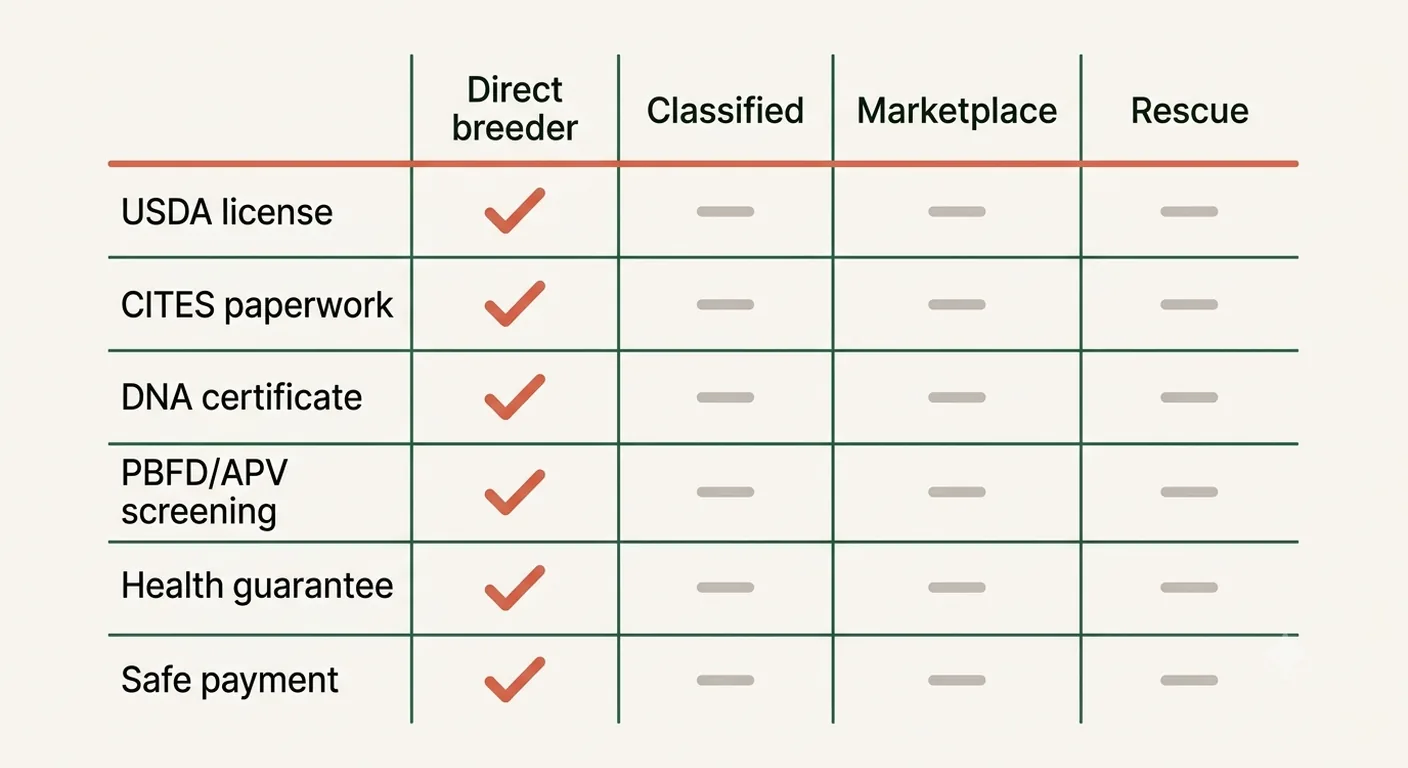
Direct breeders, classified sites, marketplace sellers and rescues all put the same bird photo in front of you — what differs is the paper trail behind it. Here is how the four buying channels compare when you judge them on documentation alone.
Reading the Comparison Table
Same six documents, four channels, one honest read on each. The cards below are the fast version; the audited breeder-by-breeder table further down is the detailed one search engines pull from.
- ✓USDA AWA license number
- ✓CITES captive-bred paperwork
- ✓DNA-sexing certificate
- ✓PBFD & APV PCR results
- ✓Written health guarantee
- ✓Card / PayPal G&S accepted
- ~USDA license
- ~CITES paperwork
- ~DNA certificate
- ✗PBFD & APV PCR
- ~Health guarantee
- ~Safe payment
- ✗USDA license
- ✗CITES paperwork
- ✗DNA certificate
- ✗PBFD & APV PCR
- ✗Health guarantee
- ✗Safe payment
- ~Prior USDA history
- ✓Legal transfer paperwork
- ~DNA certificate
- ~Health screening
- ✓Adoption contract
- ✓Documented adoption fee
Why Documentation Is the Axis That Matters
You cannot judge a breeder on how tidy the aviary looks in a photo. You can judge one on whether a USDA number checks out, whether the CITES paperwork names the bird in front of you, and whether the PCR result has a lab on it.
What the Table Does Not Measure
Warmth, patience, the willingness to answer a nervous first-time owner's fifth email — none of it fits in a grid, and all of it matters. The documentation is the floor a breeder has to clear before any of the softer virtues count.
Breeder note: a nice facility is not verification
We have seen buyers reassured by a spotless aviary photo that turned out to be a stock image. A clean room is easy to fake; a verifiable license number and a per-bird PCR result are not.
What Should You Verify With a Direct Licensed Breeder?
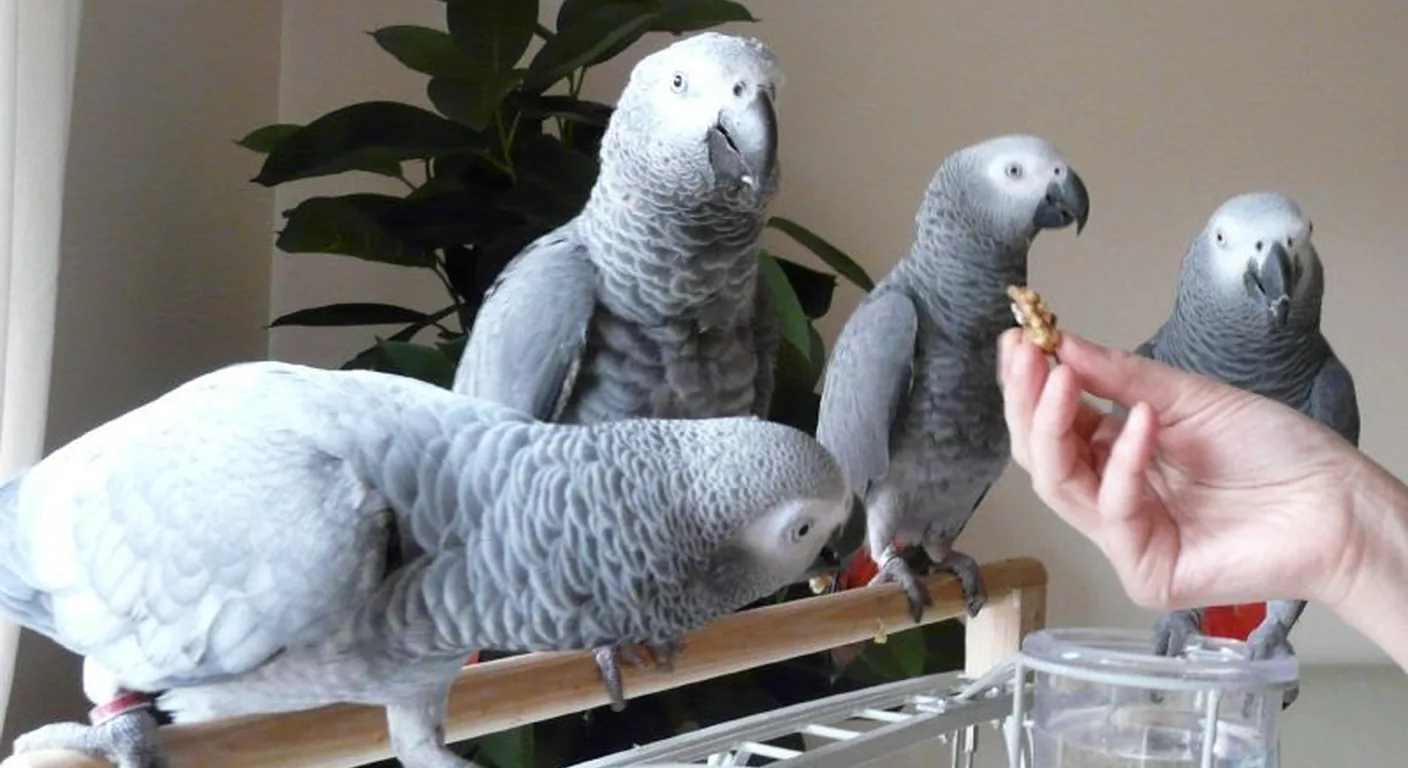
Buying directly from a licensed African Grey breeder is the safest channel, but safest is not automatic. Even with us, we would tell you to verify these three things before sending anyone a deposit.
What a Documented Direct Breeder Looks Like
Buying direct means the person answering your questions is the person who hatched, hand-fed and screened the bird — so the paperwork has nowhere to hide. Our Congo chicks are posted on the Congo African Grey page and our Timnehs on the Timneh page, each with its own documentation.
What We Document on Every C.A.Gs Bird
Nothing is itemized as an upsell. The CITES paperwork, DNA-sexing certificate, PBFD and Avian Polyomavirus PCR results, avian-vet health certificate and hatch record with the band number all ride inside the price — the same standard behind our written health guarantee.
Example: the Papers That Ship With Your Grey
The folder that travels with the bird holds the CITES captive-bred document, the DNA certificate, both PCR results, the vet certificate and the hatch record — the same folder whether the bird flies as airport cargo or arrives by our home-delivery van.
Breeder note: Mark & Teri's per-bird file
Every bird that has ever left our aviary has a file we keep — band number, parents, test dates, buyer. It is how we answer a health-guarantee question years later without guessing, and it is what a documented breeder relationship actually looks like.
Are Classified Listing Sites Like BirdBreeders Legit?
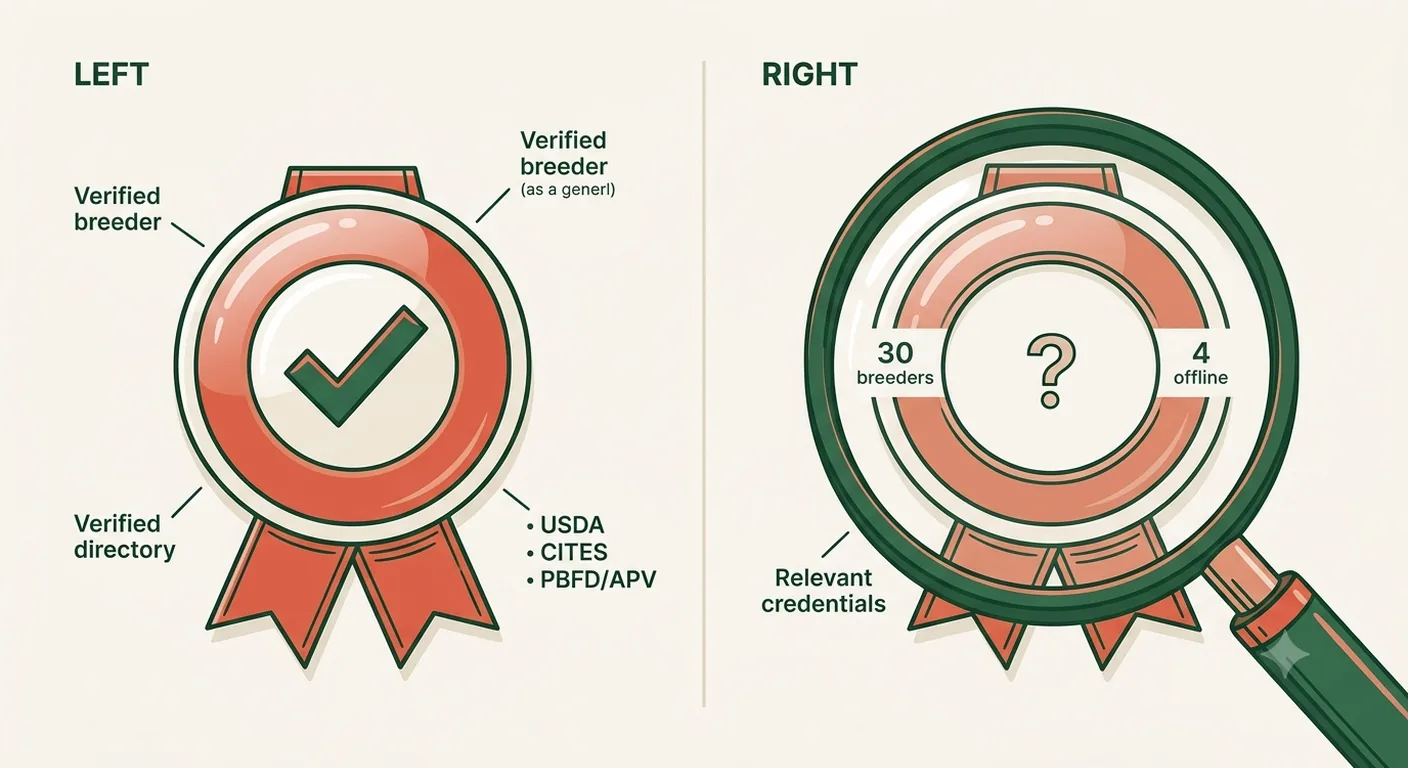
Classified bird-listing platforms are directories, not guarantors — a real aviary and a scammer can hold accounts on the same page. Whether a listing site is legit depends entirely on the seller behind the ad, so here is how to tell.
Why "Verified Breeder" on a Directory Is Misleading
Classified platforms like BirdBreeders, BirdsNow and Hoobly are directories: they list other people's birds and collect a fee. A green verified badge confirms a payment cleared, not that anyone checked a USDA license, a CITES document or a health record.
What These Platforms Actually Verify
Read the fine print and the same pattern appears — the platform verifies an email, a phone number, or a paid subscription, and disclaims responsibility for the transaction itself. Some sellers listed there are genuine breeders; the burden of proving it falls entirely on you.
What Our Audit Found on the Big Directories
On the aggregator sites in our sweep, visible Congo prices ran from roughly $2,000 to $6,800 with no license numbers attached, and the largest directory carried tens of thousands of listings no human could vet individually. Treat any directory seller exactly like an unknown direct breeder: ask for every document before money moves.
How Do Facebook and Marketplace Parrot Scams Work?
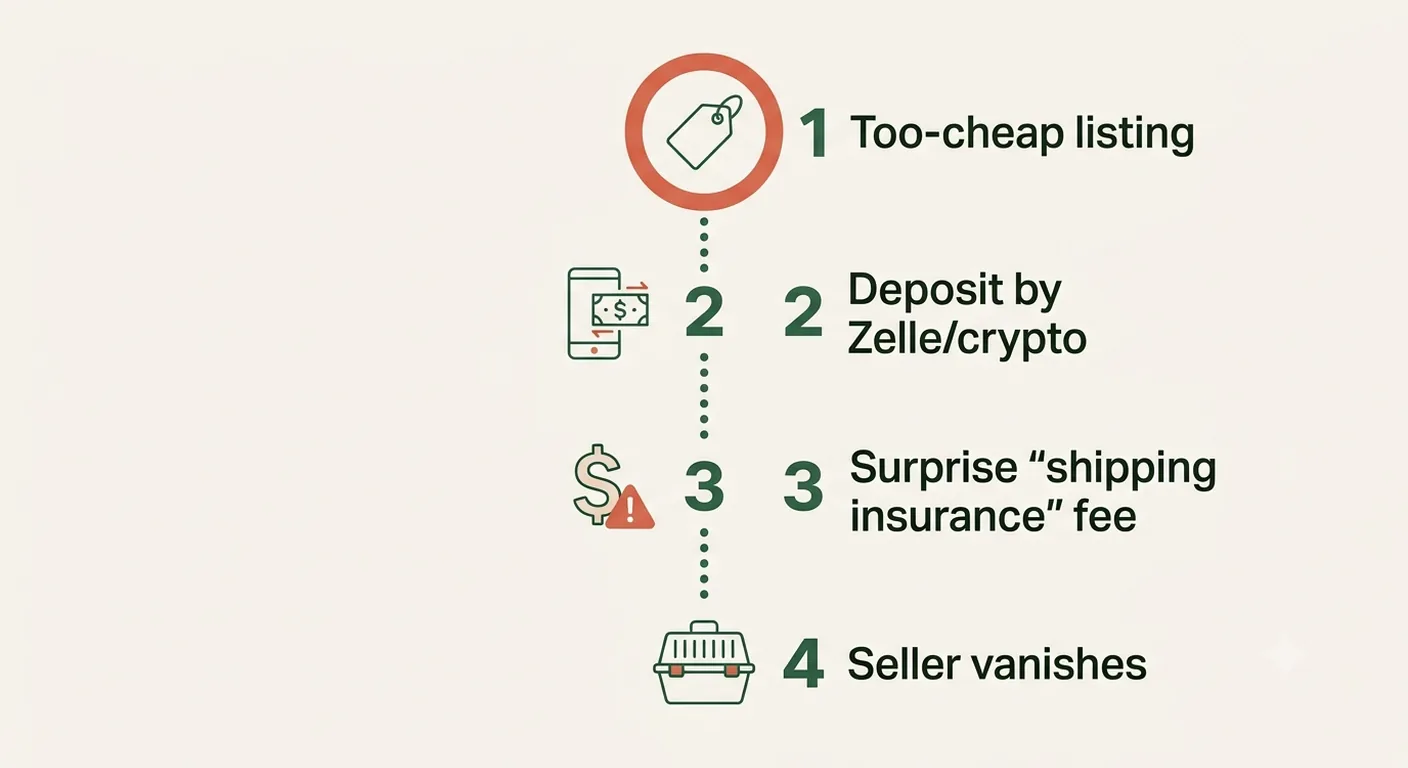
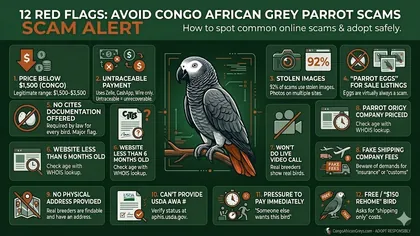
Nearly every African Grey scam we hear about starts the same way: a Facebook or Craigslist listing priced hundreds below market, a friendly seller, and a deposit that vanishes. The anatomy is predictable once you have seen it drawn out.
The Loss Pattern Buyers Describe
Our scam-defense guide walks the full playbook, but the shape is always the same: a too-cheap listing with a stolen photo, a request to move off-platform, a deposit demanded by an untraceable method, then a surprise crate or insurance fee, then silence. The bird never existed.
Why the "$800 African Grey" Is the Tell
A real breeder cannot recover a decade of raising, PCR screening, DNA sexing and vet care on an $800 Congo — so the price itself is the bait. When a listing undercuts the genuine floor by a thousand dollars, the discount is the scam.
Real Recovery Routes If You Have Already Paid
If money moved by card or PayPal Goods & Services, open a dispute immediately; if it went by wire, Zelle or crypto, it is likely gone, but still report it — the reporting section at the end of this page lists exactly where.
Is Adopting or Rescuing an African Grey a Good Option?
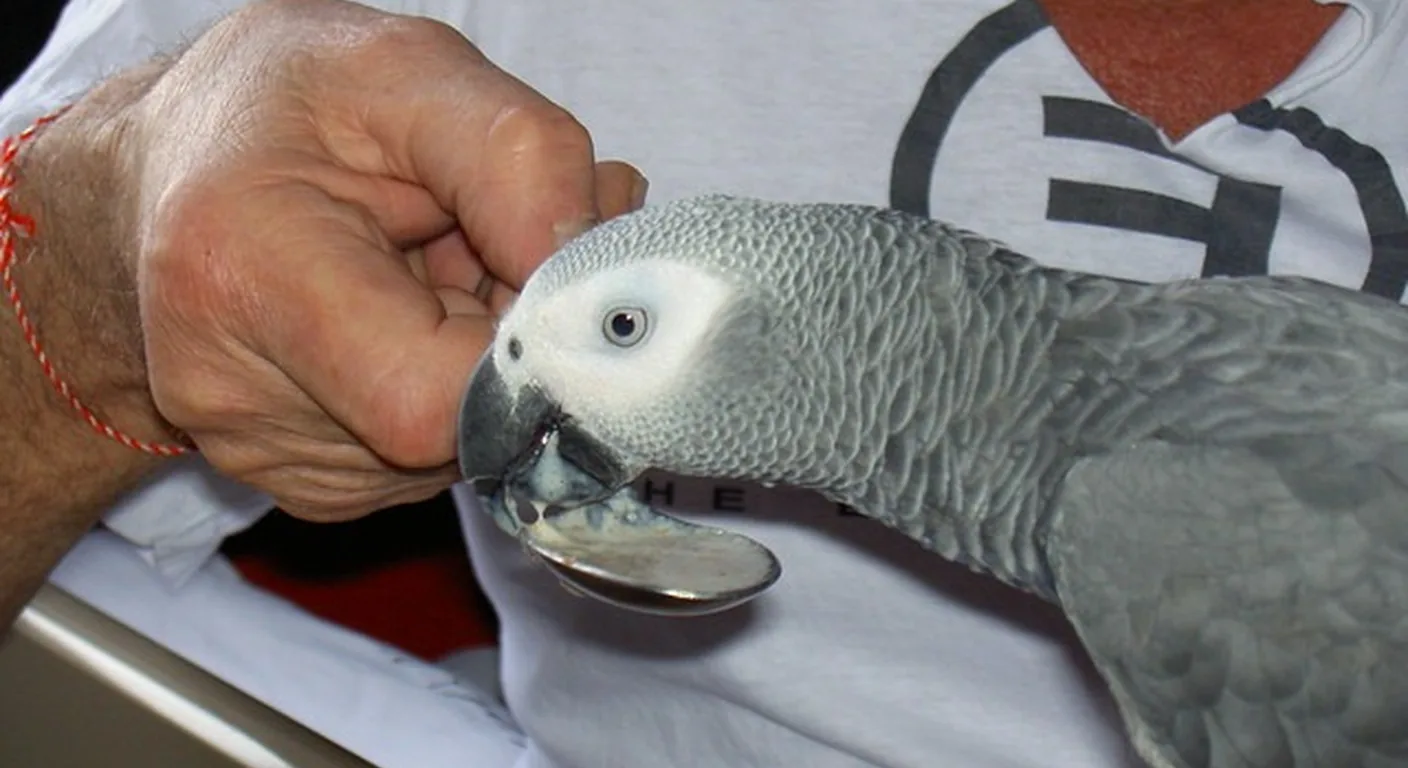
Adoption is a genuine route to a Grey and we say so plainly, even as breeders. A rescue bird costs less and does real good — the honest trade is an unknown history, and for some homes that trade is exactly right.
When Adoption Is the Right Route
Adopting is a genuinely good option, especially for experienced owners who can absorb uncertainty about a bird's past and the behaviour that sometimes comes with prior neglect. Our African Grey adoption page frames the honest trade-offs; a rehomed adult can be the most rewarding grey of all, in the right hands.
Where to Find Adoptable Greys
Petfinder ↗ lists African Greys through vetted rescues — filter by species and distance. A legitimate rescue charges a documented $200–$600 adoption fee, not a suspiciously casual rehoming fee collected by wire.
What Documentation to Expect From a Rescue
A rescue will not always have a hatch record or a DNA certificate for a bird whose history is partial — and a good one says so plainly. What it will have is a legal transfer, an adoption contract, and honesty about exactly what it can and cannot confirm.
What Did We Find When We Audited 30 Breeders?
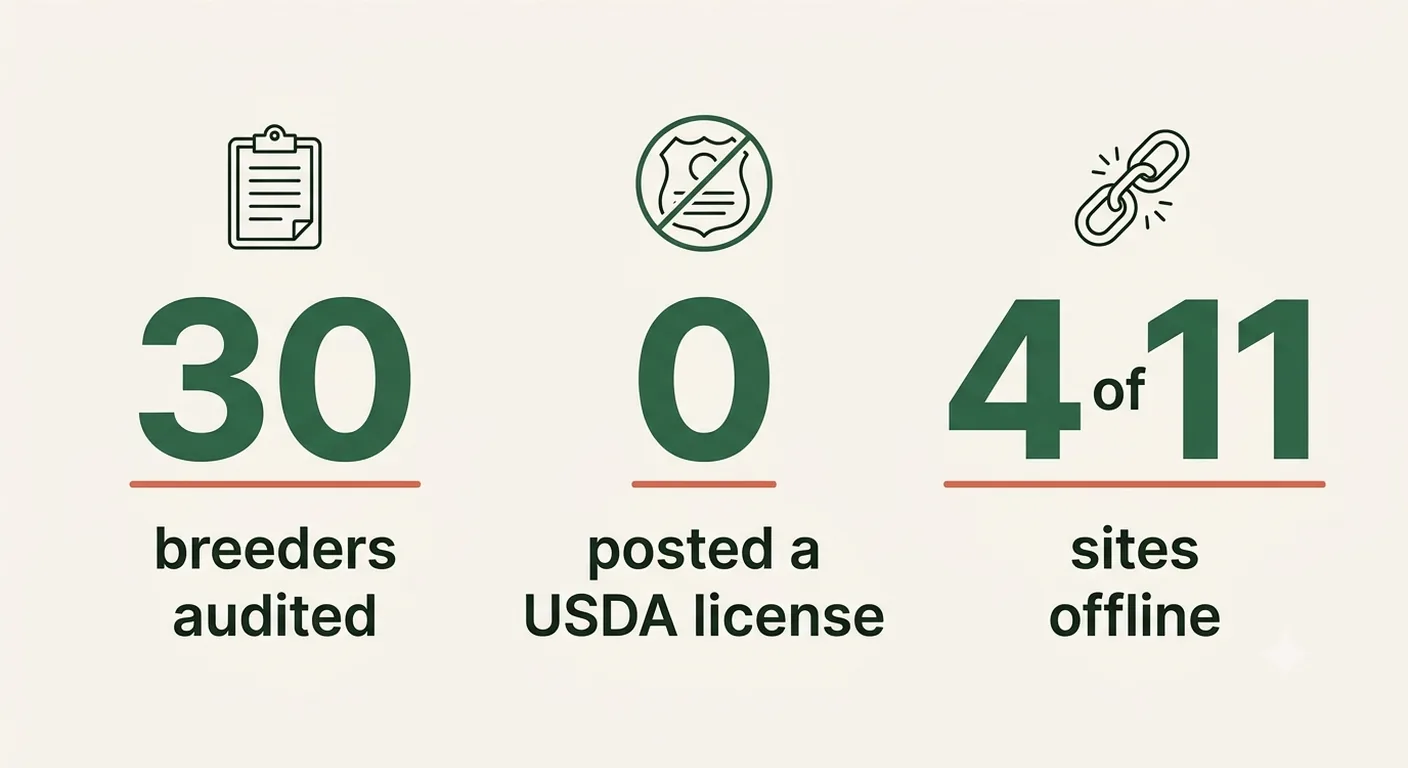
Rather than tell you the field is thin on documentation, we measured it: a reproducible sweep of thirty African Grey seller sites, scored on the credentials each one actually publishes. The numbers ran worse than even we expected.
The Three Numbers That Surprised Us
On 2026-07-12 we ran a reproducible sweep of thirty African Grey breeder and listing sites — a homepage keyword scan plus a sitemap probe, the script and results saved for anyone to re-run.
Licenses, Guarantees, and Vanishing Sites
Health-guarantee and CITES language appeared on a handful of sites; a USDA license number appeared on essentially none. And of eleven sites presenting themselves as direct breeders, four would not load the day we checked — a reminder that a website is not a business.
The USDA-License Gap Across the Field
The gap is the opportunity: the single credential easiest for a buyer to verify is the one almost no seller volunteers. Ask for it, and you have already sorted most of the field.
Data note: what we could and could not verify
A homepage scan cannot see a license a breeder holds but does not publish, so "not found" means exactly that — not a verdict. Reddit thread bodies were blocked to our crawler, so their language is paraphrased from search snippets, not quoted.
| Breeder | Location | Price | Ships | CITES | DNA | Guarantee | USDA |
|---|---|---|---|---|---|---|---|
| CongoAfricanGreys.com This site | Midland, TX | $1,700–$3,500 | ✔ 50 states | ✔ Yes | ✔ Yes | ✔ Yes | ✔ Licensed |
| Afri Grey Parrots | Not stated | Not displayed on homepage (uses 'cheap' pricing language throughout) | ✔ Yes | ✗ Not shown | ✗ Not shown | ✔ Yes | ? Verify |
| Exotic Parrot Pet Store | Not stated | $1,100–$3,800 (birds shown with heavy discounts from higher 'original' prices) | ✔ Yes | ✗ Not shown | ✗ Not shown | ✔ Yes | ? Verify |
| African Gray Parrots For Sale | United States, Nationwide (per footer) | Not displayed — contact for current pricing | ✔ Yes | ✗ Not shown | ✔ Yes | ✔ Yes | ? Verify |
| Silvergate Bird Farm | Not stated | Not displayed | Could not determine | ✗ Not shown | ✗ Not shown | ✗ Not shown | ? Verify |
| Birds For Sales | New York (NY 10160) and other locations | African Grey listed at $770 (well below market rate of $1,700+) | ✔ Yes | ✔ Yes | ✔ Yes | ✗ Not shown | ? Verify |
| Exotic Parrots Planet | Not stated (claims global: USA, Canada, Middle East, UK, Russia, Thailand) | $800–$900 for African Grey (well below market rate of $1,700+) | ✔ Yes | ✗ Not shown | ✗ Not shown | ✗ Not shown | ? Verify |
| Fifty Shades of African Greys | West St. Paul, MN | Contact for pricing (pricing page returned 404) | ✔ Yes | ✗ Not shown | ✗ Not shown | ✗ Not shown | ? Verify |
| Compound Exotics | Not stated | Not checked for African Grey specifically | ✔ Yes | ✗ Not shown | ✗ Not shown | ✔ Yes | ? Verify |
Want the Clutch List Before It Goes Public?
One short note when a documented, hand-raised Grey opens for reservation.
What Questions Should You Ask Any African Grey Breeder?
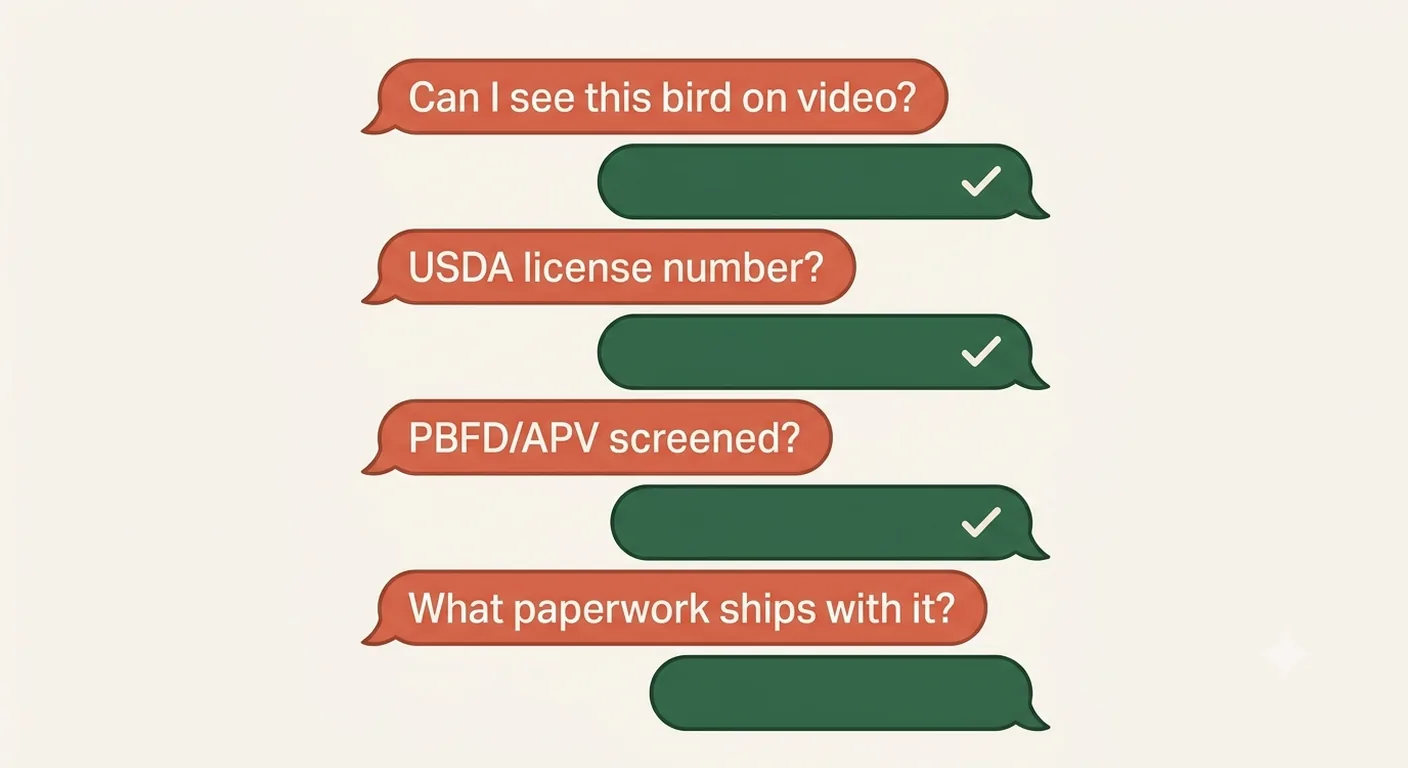
A legitimate breeder enjoys these questions — they are the ones we wish every buyer asked us. Put them to any seller, and the way they answer tells you as much as the answers themselves.
The Questions a Legitimate Breeder Answers Happily
The parrot-forum wisdom holds up: decent, honest people do not hesitate to give detail. Evasion, one-word answers, or irritation at a fair question is itself the answer.
Questions About the Specific Bird
Start with the individual bird, because a real breeder knows each chick personally and a scammer only knows the stock photo.
- May I video-call to see this exact bird move around its room today?
- How old is it, and is it fully weaned onto solid food?
- Who are the parents, and can I see them?
- What is the band or microchip number on this bird?
Questions About Documentation and Health
Then move to paperwork — the questions a fraudulent seller cannot survive, because every answer is a document you can ask to see.
- What is your USDA AWA license number?
- Which lab did the DNA sexing and the PBFD / APV PCR?
- What exactly does your written health guarantee cover, and for how long?
- What paperwork travels home with the bird, and how is it shipped?
Red Flags vs Green Flags at a Glance
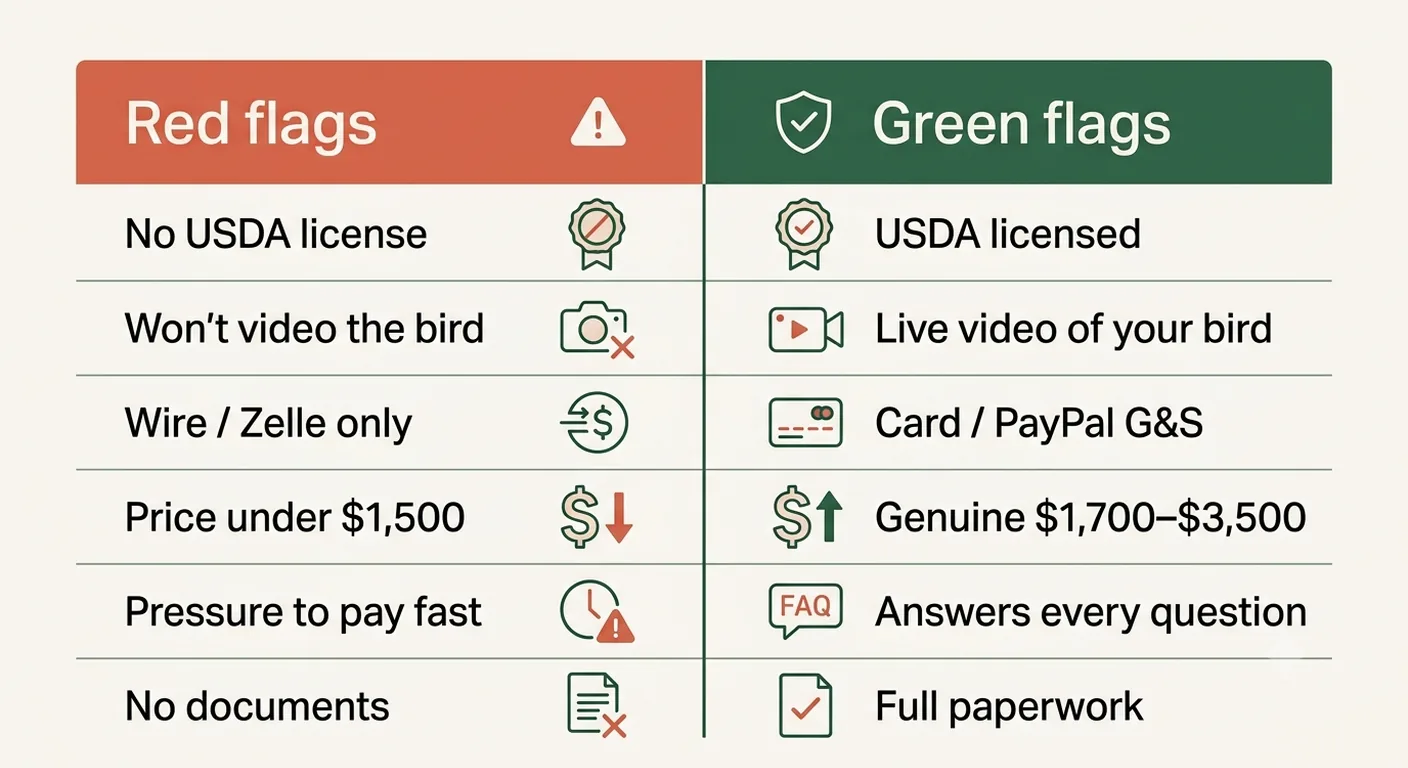
Most bad outcomes announce themselves early, in the listing itself. Scan any African Grey ad against these two columns and the decision usually makes itself before you ever message the seller.
Turning Every Scam Tell Into a Green Flag
Every red flag has a mirror image — the same question that exposes a scammer is the one a real breeder welcomes. Read them as a pair.
Red flags
- No USDA license, or a refusal to give the number
- Won't video-call you with the specific bird
- Wire transfer, Zelle, gift cards or crypto only
- A Congo priced far under $1,500
- Pressure to pay a deposit before you can verify anything
- No CITES, DNA or health paperwork on offer
Green flags
- USDA AWA license number you can confirm at APHIS
- A live video call with your actual bird, any time
- Credit card or PayPal Goods & Services accepted
- A genuine $1,700–$3,500 Congo range
- A documented, refundable reservation with terms in writing
- Full CITES, DNA-sexing and PCR paperwork per bird
Is "Never Pay a Breeder in Advance" Actually True?
You will read online that paying any bird breeder in advance is a mistake. As a breeder who takes deposits, we owe you a straight answer: the rule is half right, and the half that matters is what protects the payment.
A Documented Reservation vs Paying a Stranger
Not quite. A refundable, documented deposit that holds a specific bird while it finishes weaning is normal and reasonable — our own reservation is a $200 deposit with written terms. What the advice really means is: never send untraceable money to someone you cannot verify. The method matters more than the timing.
Which Payment Methods Are Safe
Keep it to a credit card or PayPal Goods & Services — both give you a chargeback path if the bird or the seller turns out to be fake. Wire transfer, Zelle, Venmo, Cash App, gift cards and cryptocurrency are irreversible by design, which is precisely why scammers insist on them.
How Much Should a Real African Grey Cost?
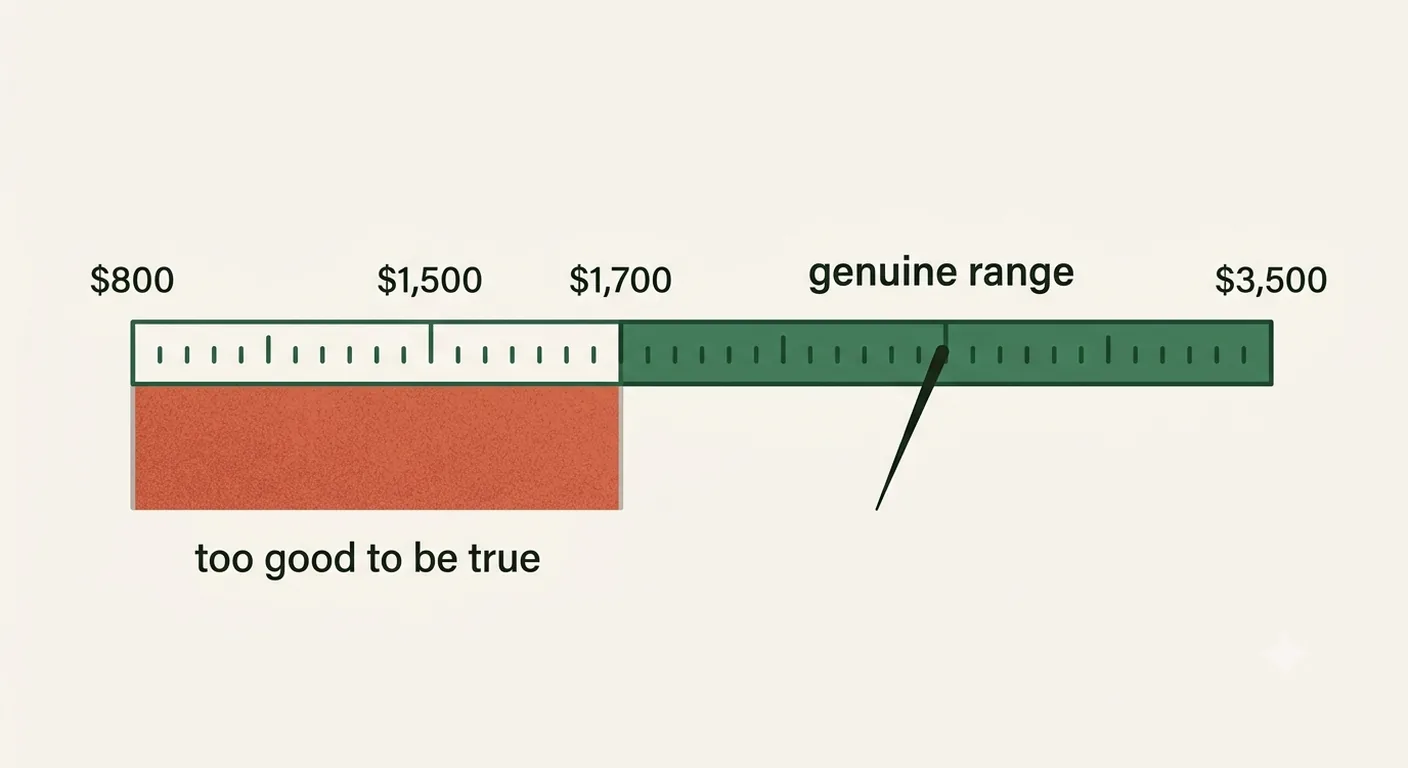
Price is the fastest scam filter there is. A documented Congo African Grey costs $1,700–$3,500 and a Timneh $1,500–$1,600 from a licensed U.S. aviary — and a listing far below those numbers is not a bargain, it is bait.
Congo and Timneh Price Ranges
Our African Grey price guide breaks the numbers down bird by bird, but the ranges are simple: a documented Congo runs $1,700–$3,500 and a Timneh $1,500–$1,600 from a licensed U.S. breeder, before $185 airport or $350 home-delivery shipping.
Why a Price Far Below the Floor Is a Warning
Price is a signal, not just a cost. A Congo advertised at $800 is not a deal a real aviary can offer and stay in business — it is the number that makes the deposit-and-vanish math work for a scammer. When the discount looks impossible, it is.
Your Pre-Purchase Verification Checklist
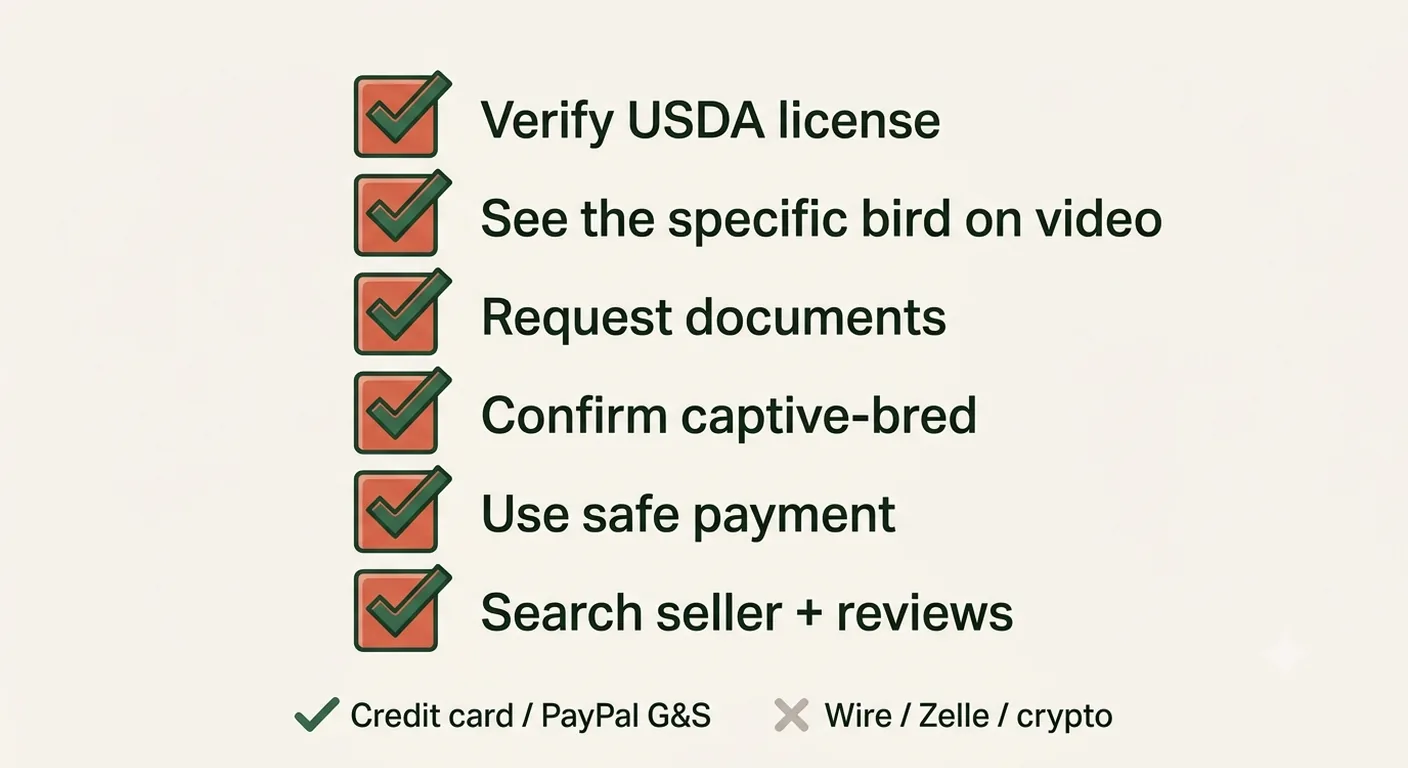
Everything above compresses into one printable list. Run any African Grey seller through these checks in order, and stop the moment one fails — no exceptions, including for us.
Eight Things to Confirm Before You Pay
- Ask for the USDA AWA license number, then confirm it yourself in the USDA APHIS Animal Care public search — a real breeder gives the number without flinching.
- Request paperwork for the exact bird you are buying, band or microchip number included, not a generic certificate that could belong to any chick.
- Confirm the bird is captive-bred with CITES documentation — for an Appendix I species there is no legitimate sale without it.
- Ask which lab ran the DNA sexing and the PBFD/Avian Polyomavirus PCR, and to see the individual result.
- Get the written health guarantee terms in advance, including the window you have for an independent avian-vet exam.
- Ask for a live video call with the specific bird moving in its current room — a stolen listing photo cannot do that.
- Keep payment on a credit card or PayPal Goods & Services; treat wire, Zelle, Venmo, gift cards and crypto as the deal-breakers they are.
- Search the seller name, phone number and website with the words review and scam before any money moves.
Run this list against every seller, this one included. A breeder who clears all eight has earned your deposit; one who stalls on even a couple has told you what you need to know.
How Are C.A.Gs Birds Documented and Shipped?
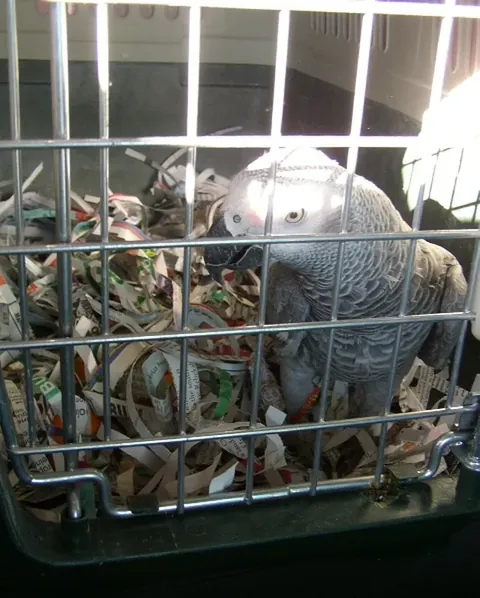
Live-animal cargo under IATA rules, on a Delta, United or American route to the airport nearest you, paperwork folder included

Climate-controlled ground transport to your door, the documentation folder handed over on arrival
Nationwide Shipping and Two Delivery Tiers
The full African Grey shipping process — crate standards, timing and what arrival day looks like — has its own page. Wherever the bird lands, the CITES, DNA, PCR and vet paperwork travels with it. Tap a route to see that area's availability:
Airport pickup
Home delivery
Anywhere else
- PBFD PCR screening
- Avian Polyomavirus PCR
- DNA sexing certificate
- Avian-vet health certificate
- Hatch certificate + closed band
The nearest-airport option and door delivery both run through our buy-near-me guide; a $200 refundable deposit holds the bird.
Ships nationwide · $185 airport · $350 home
Is C.A.Gs a Legit African Grey Breeder?
Fair question — this page teaches you to demand proof, so it should apply to its authors. Here is our own paperwork held to the same standard, plus exactly how to verify each item independently.
What Our Documented Buyers Say
It is a fair question to type into a search bar, and third-party checkers give mixed automated scores — one rates us "legit and safe," another flags us as merely unproven. Automated trust scores read domain age and traffic, not paperwork, so here is the verifiable version: we are USDA-licensed (confirm it at APHIS), every bird is CITES-documented and PCR-screened, and our reviews carry a 4.9 rating across 52 real, named buyers.
Our documented C.A.Gs reviews name actual owners and their cities, the opposite of an anonymous badge — read them, then hold us to the same eight-point checklist this page asks you to run on everyone else.
Who Are Mark & Teri Benjamin?
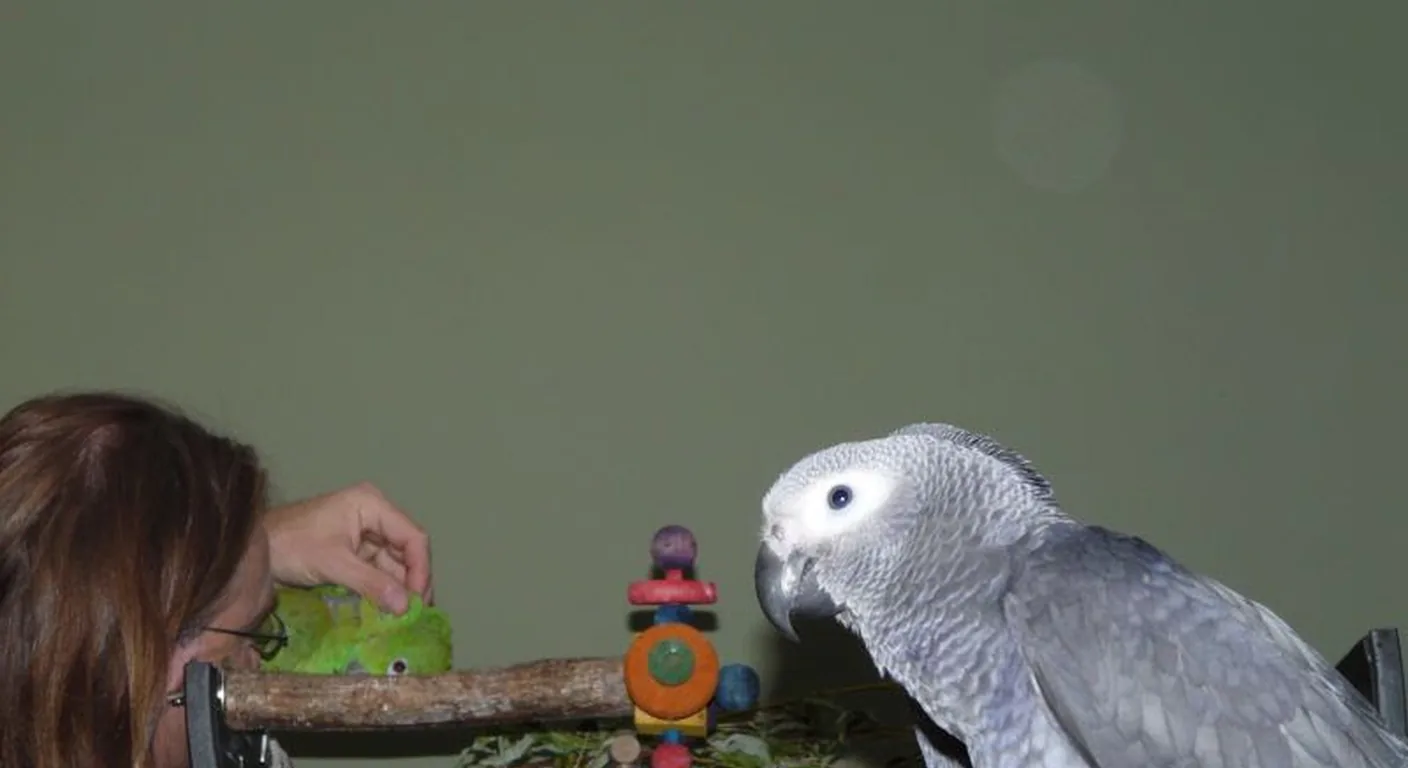
Behind the license number are two people who have hand-raised African Greys in Midland, Texas since 2014. Knowing who you are actually buying from is itself a scam filter — anonymous sellers are the pattern in every fraud report we read.
A Family Aviary in Midland, Texas Since 2014
"We wrote this comparison the way we answer the phone — if the paperwork does not check out, we would rather you walk away, even from us. A documented bird is the only kind worth a forty-year commitment."
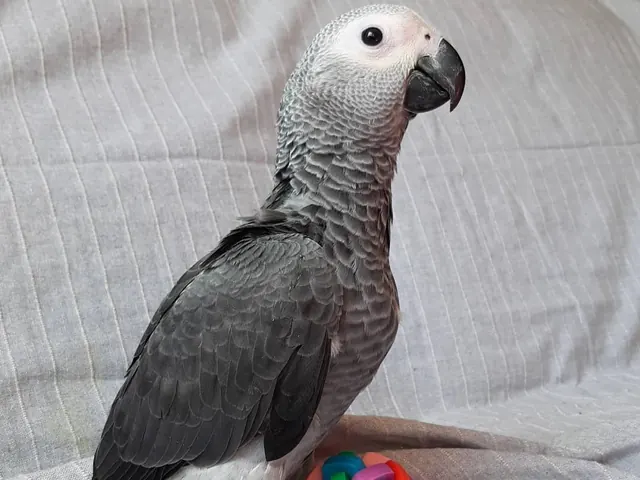 Mark & Teri Benjamin · C.A.Gs, Midland, TX
 Mark and Teri have hand-raised African Greys in Midland since 2014, and answered the "how do I know you are legit?" question for nearly as long. The full story, credentials and USDA framing live on our about the breeders page — the same standard of proof this comparison asks of every seller.
See a Documented African Grey You Can Verify
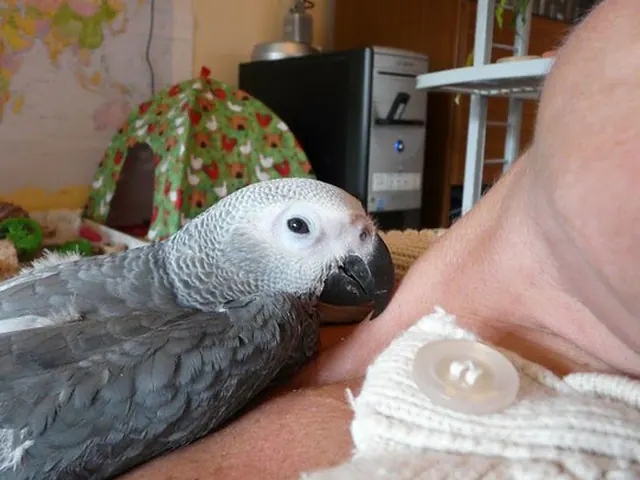
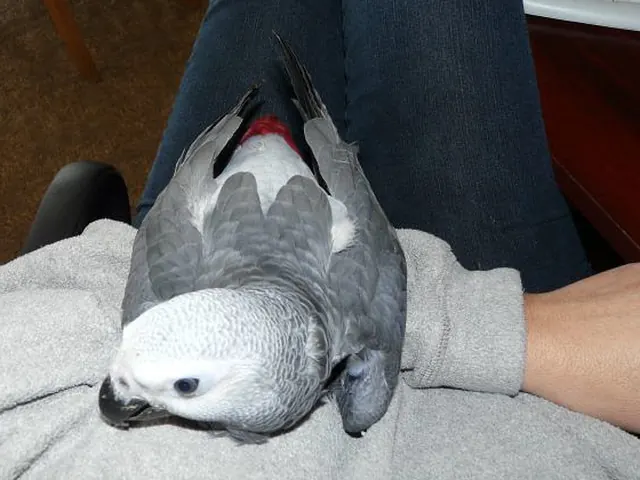
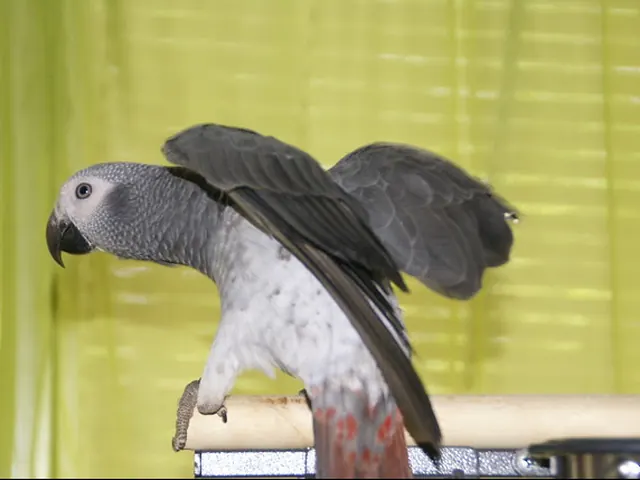
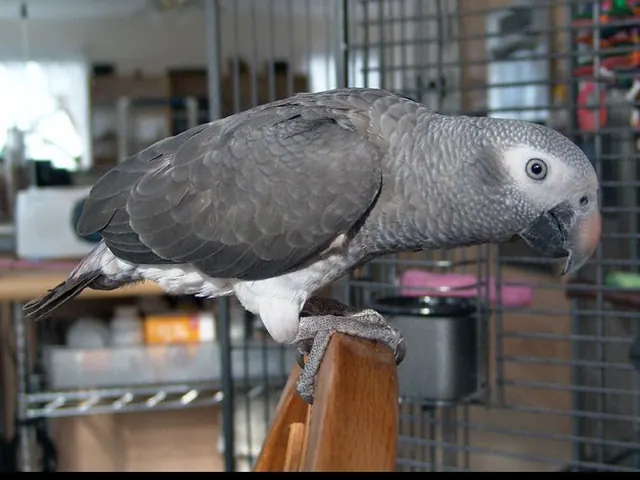
Talk is cheap; a band number is not. Here is who is actually in the nursery right now — click any bird for its full photo set, parentage and the documentation described above.
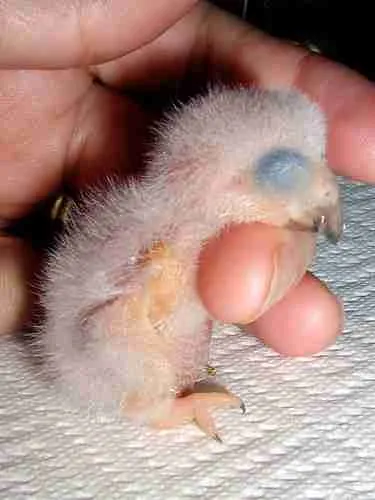
 Clutch alerts
Which Documented Chicks Are Weaning Now?
One short note when a fully documented Grey opens for reservation.
African Grey Breeder Questions, Answered
These are the exact follow-ups this comparison generates. Our complete African Grey parrot FAQ covers care and ownership beyond the buying decision — start there for anything past choosing a breeder.
How do I find a reputable African Grey breeder?
Judge every candidate on documentation, not vibes. A reputable African Grey breeder gives you a USDA AWA license number you can verify in the USDA APHIS public search, produces CITES captive-bred paperwork, a DNA-sexing certificate and PBFD/Avian Polyomavirus PCR results for the specific bird, offers a written health guarantee, and takes payment by card or PayPal Goods & Services. If any of those is missing or waved away, keep looking.
How can you tell if a bird breeder is legit?
Ask for the USDA license number and confirm it yourself, request a live video call with the exact bird in its current room, and insist on per-bird paperwork rather than a generic certificate. A legitimate breeder answers detailed questions happily and never pressures you to pay by wire, Zelle or crypto before you can verify anything. Refusal on any of those points is the tell.
Is it safe to buy an African Grey from a classified listing site?
Classified sites like BirdBreeders, BirdsNow and Hoobly aggregate other people's listings; the platform verifies that a listing fee was paid, not that the seller holds a single credential. A green “verified” badge is not a verified USDA license or CITES paperwork. Some sellers there are genuine breeders, but the due-diligence burden is entirely on you — request the same documents you would from any direct breeder before sending money.
How much should an African Grey parrot cost from a real breeder?
Expect roughly $1,700–$3,500 for a documented Congo African Grey and $1,500–$1,600 for a Timneh from a licensed U.S. breeder, plus $185 airport or $350 home-delivery shipping. A Congo advertised at $800 is not a bargain — it is the single most common scam signal, because a real breeder cannot cover a decade of raising, PCR screening, DNA sexing and veterinary care at that price.
What questions should I ask an African Grey breeder before buying?
Ask for the USDA license number, a live video call with the specific bird, the band or microchip number, which lab ran the DNA and PCR tests, exactly what the written health guarantee covers, and what paperwork ships with the bird. A genuine breeder gives full, specific answers; evasion or one-word replies are your answer.
What documents should a captive-bred African Grey come with?
CITES captive-bred documentation, a DNA-sexing certificate, PBFD and Avian Polyomavirus PCR results, an avian-veterinarian health certificate, and a hatch record with a closed leg-band or microchip number. Because the African Grey is CITES Appendix I, that paper trail is what makes a domestic sale legal — there is no legitimate reason for it to be missing.
What should I do if a breeder cannot show CITES documentation?
Do not buy the bird. For an Appendix I species, inability to produce captive-bred CITES paperwork means the bird is either wild-caught (illegal) or the seller is not who they claim. Walk away and, if money already changed hands, report it to the USDA APHIS Animal Care line and to IC3.gov.
Are adopted or rescued African Greys a good option?
Yes, particularly for experienced owners who can handle uncertainty about a bird's past. A legitimate parrot rescue rehomes African Greys for a documented $200–$600 fee and discloses what history it has. Petfinder lists greys available through vetted rescues — filter by species and distance. Documentation differs from a breeder purchase, but a real rescue is transparent about exactly what it can and cannot confirm.
How do I report a suspected African Grey parrot scam?
Report to the USDA APHIS Animal Care line for CITES and animal-welfare concerns, to IC3.gov (the FBI's Internet Crime Complaint Center) if money was sent online, and to your state attorney general's consumer-protection office. Then contact your card issuer or PayPal to attempt a chargeback. Save every message and screenshot before you file.
What payment methods are safe when buying a parrot online?
A credit card or PayPal Goods & Services — both give you a dispute and chargeback path if the bird or the seller turns out to be fake. Wire transfer, Zelle, Venmo, Cash App, gift cards and cryptocurrency are effectively irreversible, which is exactly why scammers insist on them. A documented, refundable reservation paid by card is normal; a demand for untraceable payment is the deal-breaker.
How Do You Report an African Grey Parrot Scam?
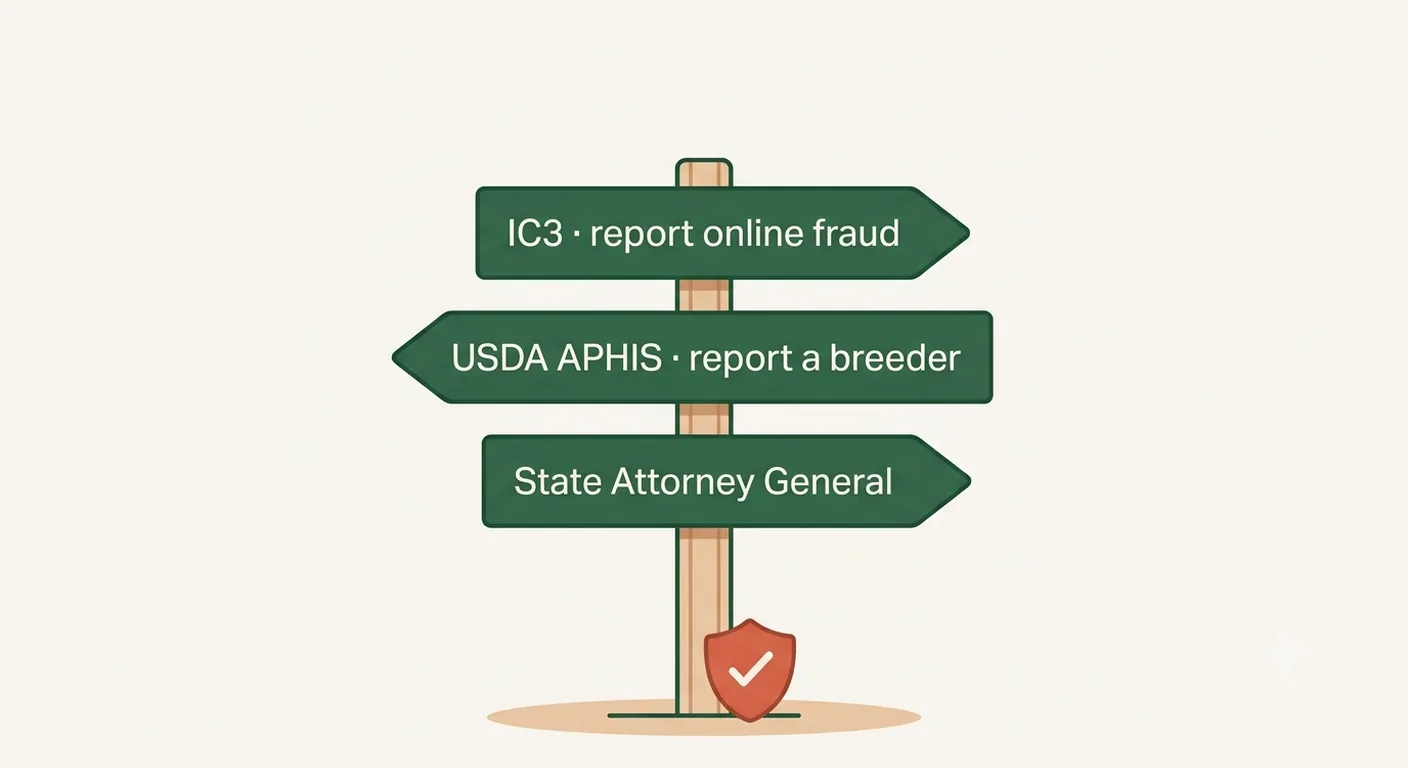
If a sale went wrong, report it in three places and save every message first. IC3.gov, the FBI's Internet Crime Complaint Center ↗, handles online fraud; the USDA APHIS Animal Care program ↗ takes CITES and welfare concerns; and your state attorney general's consumer-protection office handles the financial side. Then call your card issuer or PayPal to open a dispute.
Which Guides Go Deeper Than This Comparison?
Choosing a breeder is one decision inside a forty-year one, and the questions that follow it — how do parrot scams actually unfold, what does the CITES paper trail look like page by page, and what should a documented Grey really cost — each earn a full guide of their own. Pick up whichever thread your research needs next.
Put Our Own Paperwork to the Test
Everything this page asks you to demand from a breeder, we hand over before you pay a balance — USDA license, CITES certificate, PCR panels, DNA certificate and the vet record. Tell us about your home below, and Mark or Teri will reply within 24 hours with the documents attached, not promised.