- Home
- Comparisons
- Congo vs Timneh
Two Grey subspecies, raised side by side since 2014
Congo vs Timneh African Grey: Key Differences
We hand-raise both variants here in Midland: Congo chicks in one nursery room, Timnehs in the other. Buyers ask us the same question almost weekly — which grey should I take home? This is the honest side-by-side we give them.
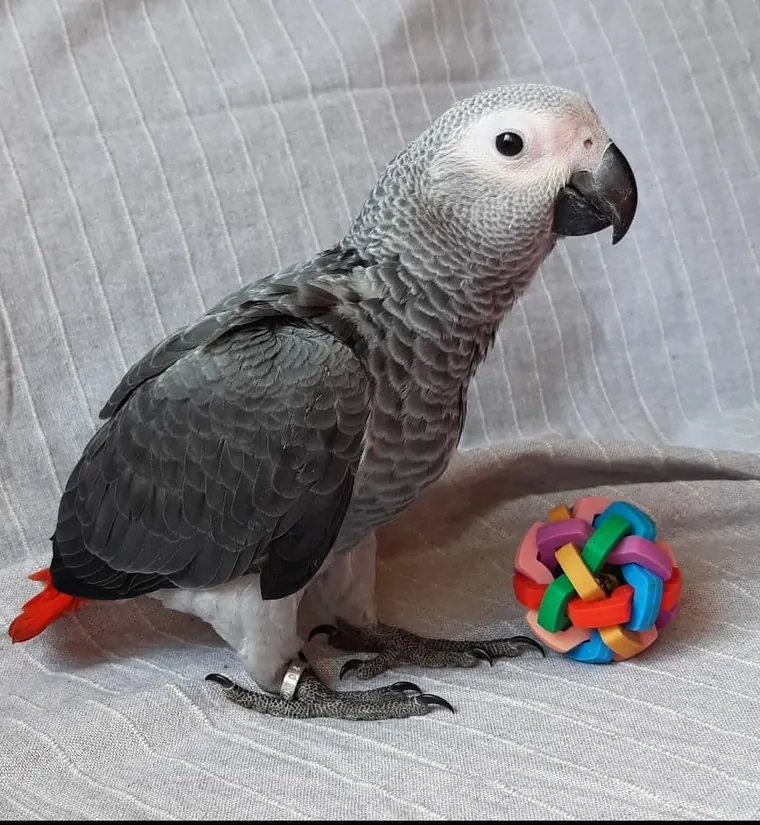
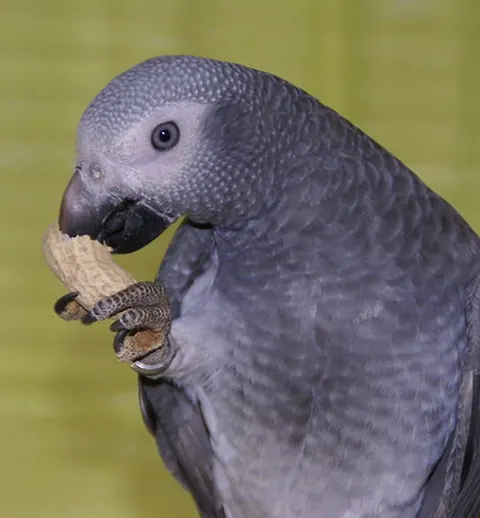
What's the Quick Answer — Congo or Timneh?
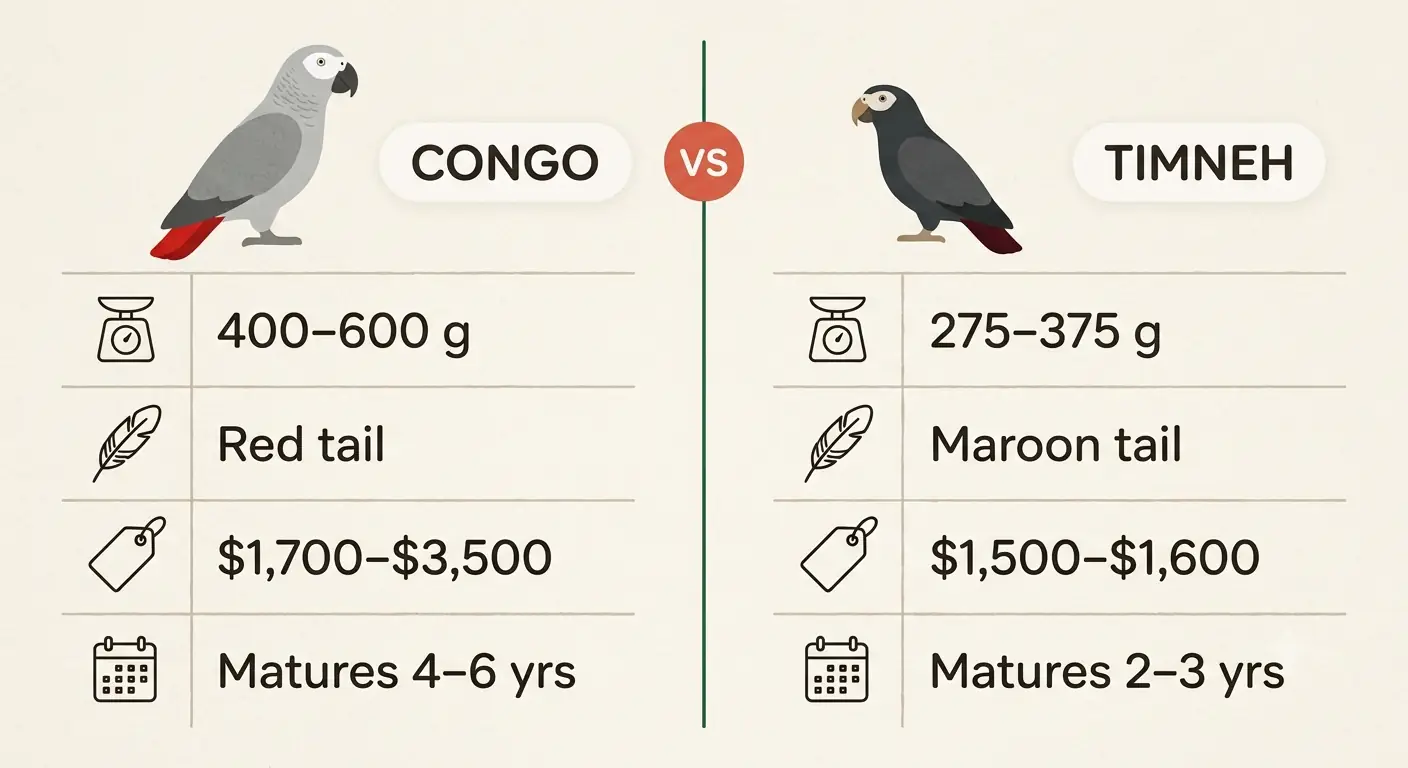
Quick Answer: Congo and Timneh African Greys differ mainly in size, tail color, maturity speed and bonding style. The Congo (400–600 g, bright red tail) is the larger variant and the more precise mimic, and usually bonds hardest with one person. The Timneh (275–375 g, maroon tail) matures earlier, often talks sooner, and tends to share its bond across the household.
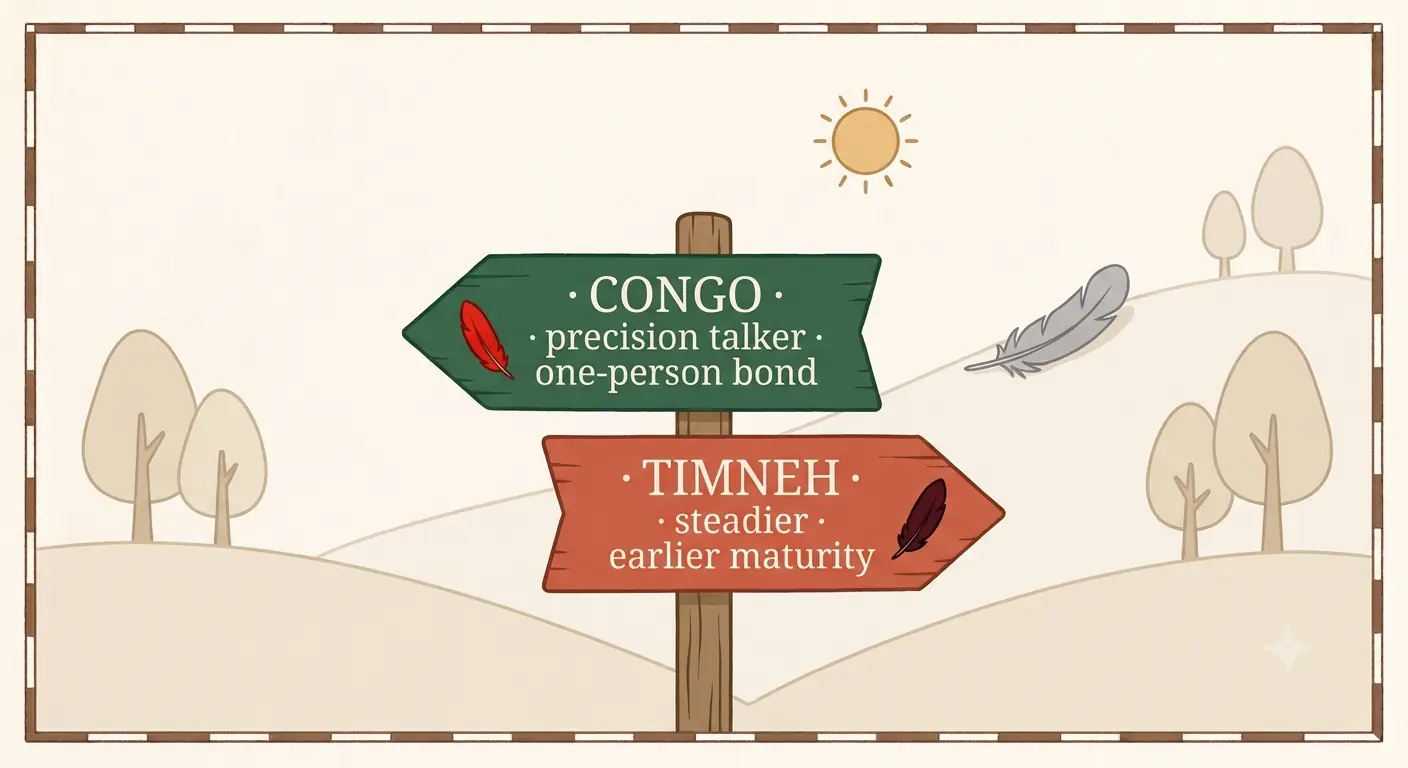
Buyers reach this page searching every phrasing of the question — Congo vs Timneh, Timneh vs Congo, even "African Gray" with an a — and the honest answer never changes: neither variant is "better," and we say that as the people who raise both. The price gap is smaller than most buyers expect (our Congos run $1,700–$3,500, our Timnehs $1,500–$1,600), and the lifespan is identical. What actually decides it is your household, and that's what the rest of this page works out.

What Should You Take Away Before Choosing?
Short on time? These are the quick facts about Congo and Timneh African Greys that buyers screenshot and text to their spouse — full-grown size and weight, the honest price ranges, how long African Grey parrots live, and the two fastest ways to tell the birds apart at a glance. Every number below comes from our own aviary records, not a rewritten listicle.
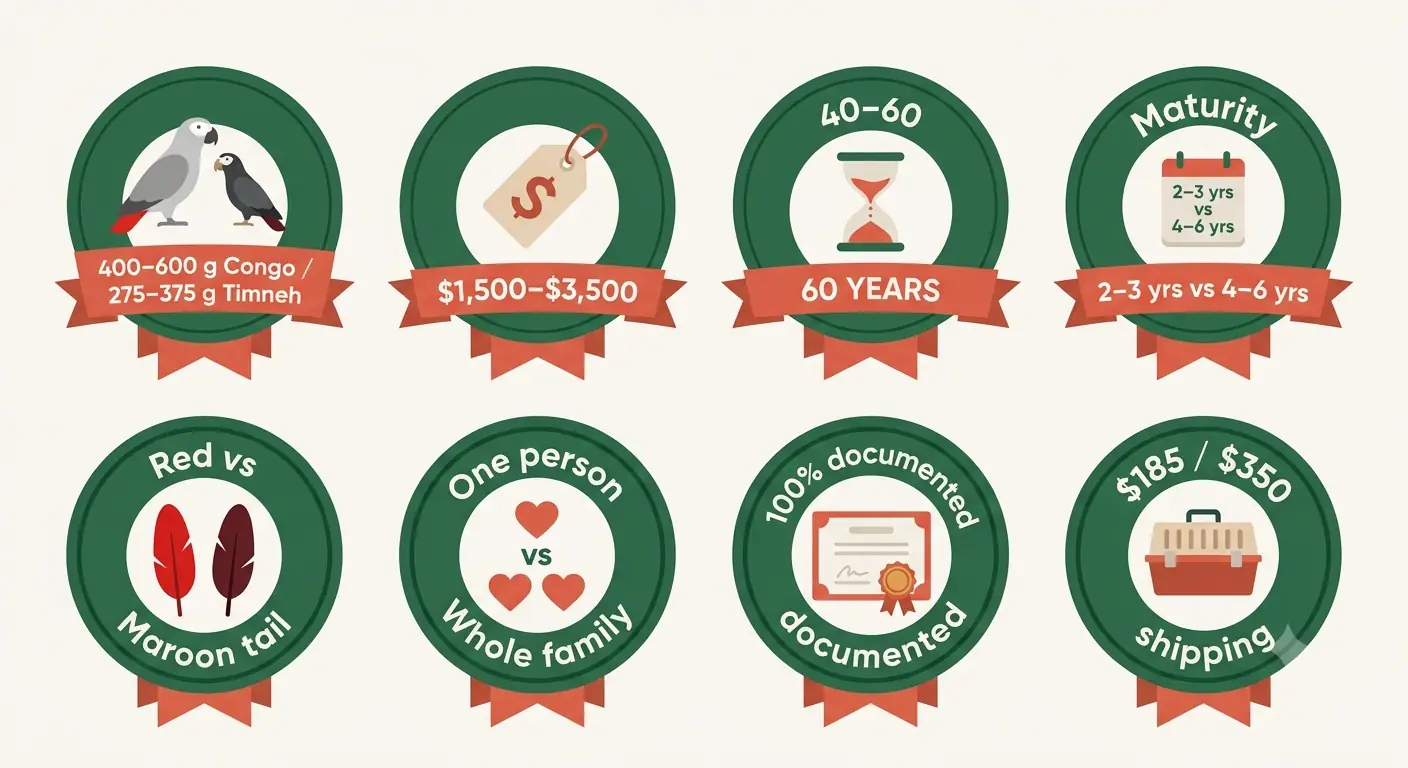
How Do Congo and Timneh Greys Compare Side-by-Side?
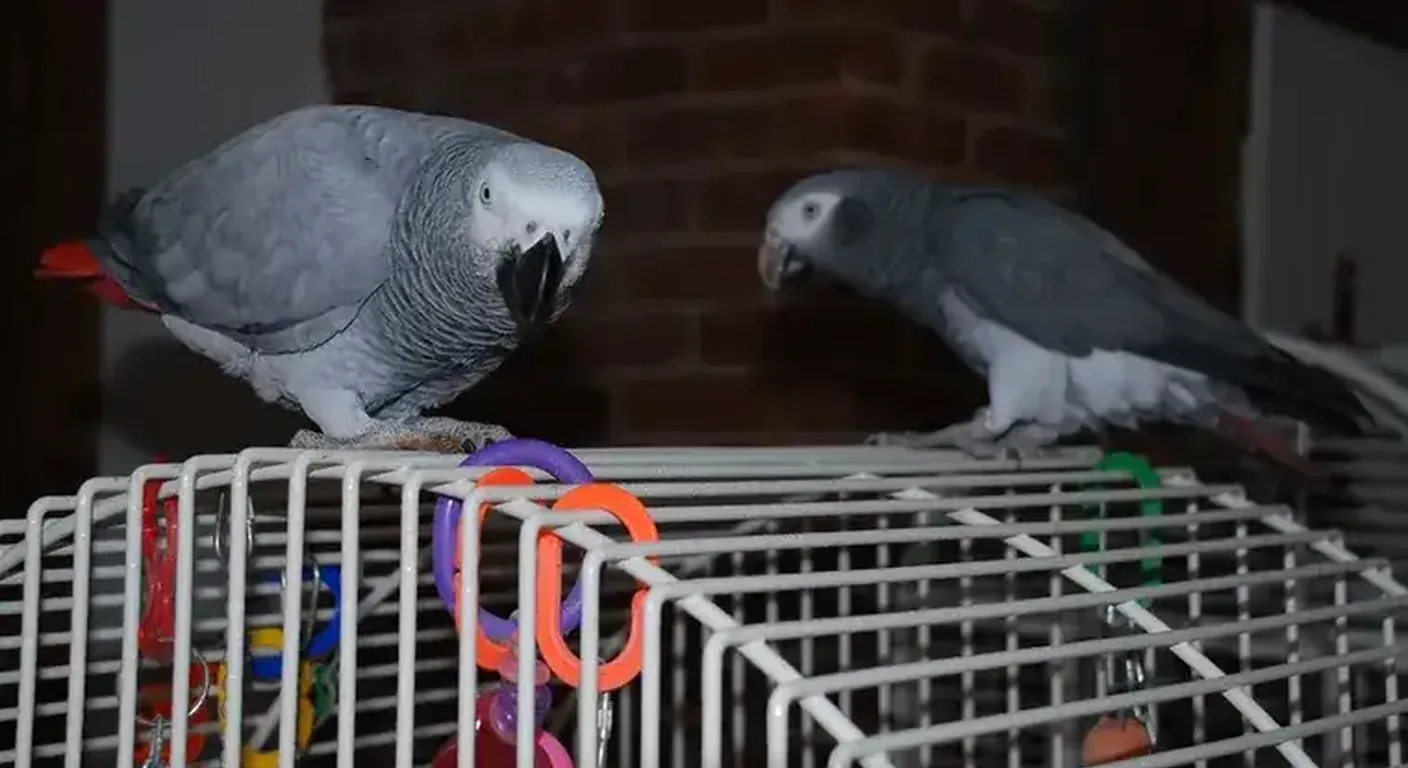
Twelve attributes, one honest verdict column — including the rows where the right answer is "depends on you." We filled this in the way we'd answer at the aviary door, not the way a listicle would. On a phone, tap the variant you're weighing and the table follows you.
| Attribute |  Congo African GreyThe classic, dramatic talker Congo African GreyThe classic, dramatic talker |  Timneh African GreyCalmer, earlier to bond Timneh African GreyCalmer, earlier to bond | Edge |
|---|---|---|---|
| Adult weight | 400–600 g | 275–375 g | Depends on your space |
| Length | 12–14 in beak to tail | 9–11 in beak to tail | Depends on your space |
| Body shade | Lighter silver-grey | Darker charcoal, paler V on the chest | Fastest visual ID |
| Tail color | Bright red | Dark maroon | Preference |
| Beak | Solid black | Horn-colored upper mandible | ID marker only |
| Price at C.A.Gs | $1,700–$3,500 | $1,500–$1,600 | Timneh |
| Talking style | Later start, uncanny precision | Earlier start, very capable | Depends on patience |
| Maturity | 4–6 years | 2–3 years | Timneh |
| Bonding | Deep, usually one person | Steadier, whole household | Depends on your home |
| Temperament | Sensitive, watchful | Calmer, more even | Timneh |
| Lifespan | 40–60 years | 40–60 years | Equal |
| CITES documentation | Appendix I — included | Appendix I — included | Equal |
Every "Edge" call above is ours, from raising both — not aggregated from other websites.
Why Trust Our Comparison?
Anyone can compile a Congo-versus-Timneh table from other websites; almost nobody writing them has weaned both subspecies in the same nursery. This comparison comes from the second kind of author, and here is who that is.
Mark & Teri Benjamin
Breeding both variants in Midland, TX since 2014
USDA AWACITES docsDNA sexingPCR screened
Most Congo-vs-Timneh articles are written by people who have never weighed a chick at 6 a.m. We're Mark and Teri Benjamin, and we've raised both variants side by side here at C.A.Gs since 2014 — same nursery, same hand-feeding schedule, same vet. When we describe a difference on this page, it's because we've watched it play out across clutches, not because three other websites said so.
That matters for this particular question, because the internet's Congo-vs-Timneh answers mostly come from single-bird owners generalizing from a sample of one. A Congo person tells you Congos are moodier; a Timneh person tells you Timnehs are easier. Raising both, we get to see where the pattern is real and where it's just personality.
The C.A.Gs Philosophy: Health-Documentation ROI
The cheapest part of a grey is the purchase price — the expensive part is the 40–60 years after it. So we front-load the boring paperwork that protects those years: PBFD and Avian Polyomavirus PCR screening on our birds, DNA sexing certificates, an avian veterinarian's health certificate, hatch certificate with closed band, and the CITES Appendix I documentation that proves your bird was captive-bred in the USA. Whichever variant you land on, our health guarantee page spells out that stack in writing.
What Makes the Congo African Grey Special?

The Congo is what most people picture when they hear "African Grey": the lighter silver-grey body, the solid black beak, and that unmistakable bright red tail. It's the larger of the two variants and the one with the bigger reputation — deserved, mostly, though the reputation leaves out a few things we'll be honest about below. If you've been searching "full grown Congo African Grey size" or "are Congo greys good pets," this section is the from-the-nursery answer. On our current Congo Grey clutch page you can meet the chicks weaning now; chicks run $1,700–$3,500 depending on age, and they're the majority of what hatches here.
How Big Is a Congo? Size, Build & the Red Tail
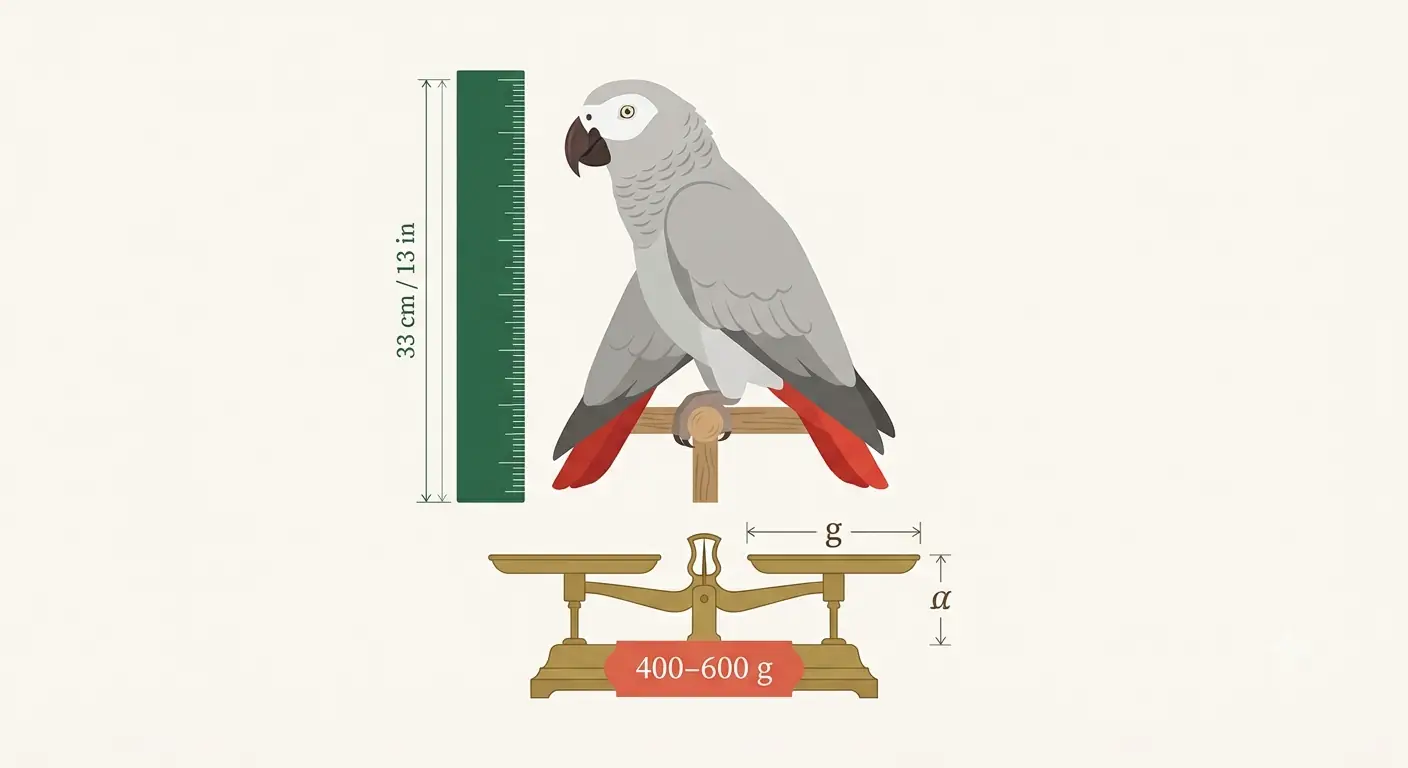
A healthy adult Congo weighs 400–600 grams and measures 12–14 inches beak to tail — noticeably more bird than a Timneh, though photos exaggerate the gap. In the hand it reads as substance rather than bulk: broader chest, bigger head, a beak with real presence. The tail is the giveaway at any distance. Congo tail feathers are a saturated scarlet from the moment the adult plumage comes in, and they stay that way for life.
What Is Congo Temperament Really Like?
Watchful is the word we use with visitors. A Congo clocks everything — new shoes, moved furniture, the fact that you're using the other coffee mug. That intelligence is the whole appeal, and it's also the maintenance item: a bird that notices everything needs a household that gives it something worth noticing. Congos are sensitive to routine changes and slower to forgive them than Timnehs. They're not fragile; they're particular. Ours have opinions about which direction the cage faces, and we've stopped arguing.
Is a Congo Right for an Apartment?
Usually yes, with eyes open. Congos aren't screamers by disposition — their signature sounds are whistles, environmental mimicry and talking rather than the sustained shrieking that gets cockatoo owners evicted. But "quieter than a cockatoo" is a low bar. Expect real morning and dusk vocal sessions, and expect your microwave beep back at you forever. Thin walls survive a Congo; a noise-phobic landlord might not.
How Fast Does a Congo Bond — and With Whom?
Slowly, then completely. The classic Congo pattern is a bird that surveys the household for weeks, picks a person, and invests in that person with startling depth — the owner threads on r/AfricanGrey ↗ agree with our aviary experience here. Other family members get tolerated, sometimes warmly, sometimes on probation. If you want one bird bonded to one human, this is the variant. If four family members all expect to handle the bird daily, keep reading: the Timneh section is going to sound good.
What Congo Families Notice in Week One
If your new Congo seems "boring" in week one, it isn't — it's auditing you. A settling Congo sits lower, watches more than it moves, eats when you leave the room. Week two the audit ends and the personality starts leaking out. We tell every family: the quieter the first week, the more normal your Congo.
Breeder note: Maxy's first words
Maxy, the Congo in the video on our homepage, started exactly the way Congos do: with the most useful word in the house. He learned to call "Teri" — and once calling Teri worked, "bye bye" and "come here please" followed close behind. Not random mimicry: words that get results, deployed on purpose. That's the variant in one anecdote.
Which Health Risks Do We Screen Congos For?
Two things belong on every Congo buyer's radar. First, hypocalcemia: African Greys regulate calcium differently than other parrots, and per the avian-medicine literature at Lafeber's veterinary resources ↗ low calcium is a documented grey-specific risk, managed with proper diet and UV-B exposure — which is why our care sheets cover full-spectrum lighting from day one. Second, feather-destructive behavior: an under-stimulated grey can turn grooming into plucking. Neither is inevitable; both are why we vet buyers as much as buyers vet us.
Hypocalcemia & Feather-Destructive Behavior, Plainly
Hypocalcemia shows up as weakness or, severely, seizures — and it's substantially preventable with a pellet-based diet, calcium-bearing fresh foods and UV-B light. Feather-destructive behavior is an enrichment problem before it's a medical one: a Congo with work to do rarely barbers its feathers. The client handouts at VCA Animal Hospitals ↗ cover both conditions in owner-level detail, and our buyers get our exact diet and lighting setup in writing.
What Our PBFD + Polyomavirus PCR Panel Rules Out
Psittacine Beak and Feather Disease and Avian Polyomavirus are the two viral diseases that make "cheap grey" listings expensive. We PCR-screen for both — that's a lab test on the bird, not a promise on a webpage. It's also why we tell buyers to run from any seller who can't produce the same paperwork.
Citation: World Parrot Trust species profile
Species-level facts in this section align with the World Parrot Trust's Psittacus erithacus profile ↗ — the same organization whose CITES trade data corrected this industry's worst habits.
What Makes the Timneh African Grey Special?
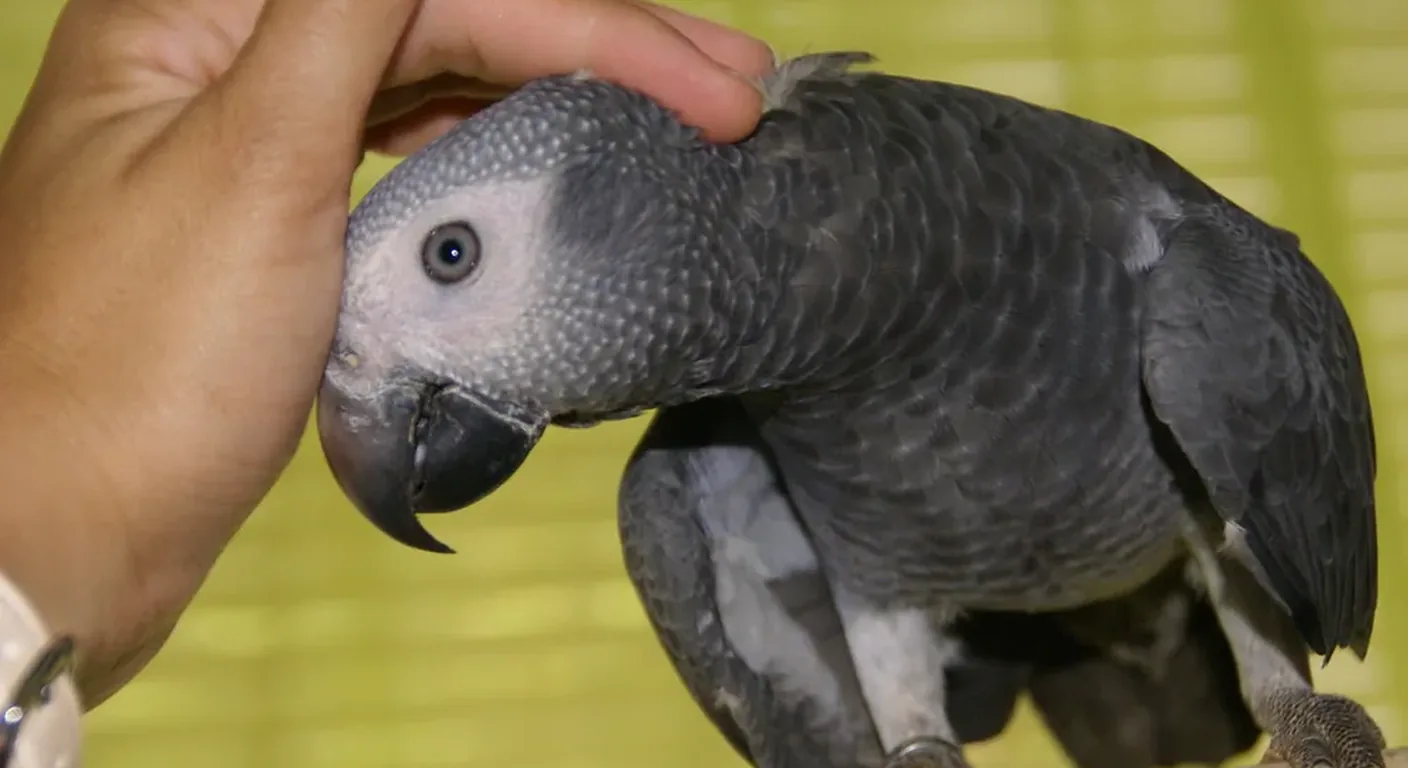
The Timneh is the grey people haven't heard of, and it might be the better first grey. Darker charcoal body, a maroon tail instead of red, a horn-colored patch on the upper beak, and — the marker most listings never mention — a soft V of paler grey across the chest. Smaller than the Congo at 275–375 grams, priced at $1,500–$1,600 here, and in our aviary experience the steadier personality of the two. Our Timneh Grey parrots page shows who's currently weaning.
How Much Smaller Is a Timneh? Size & the Maroon Tail
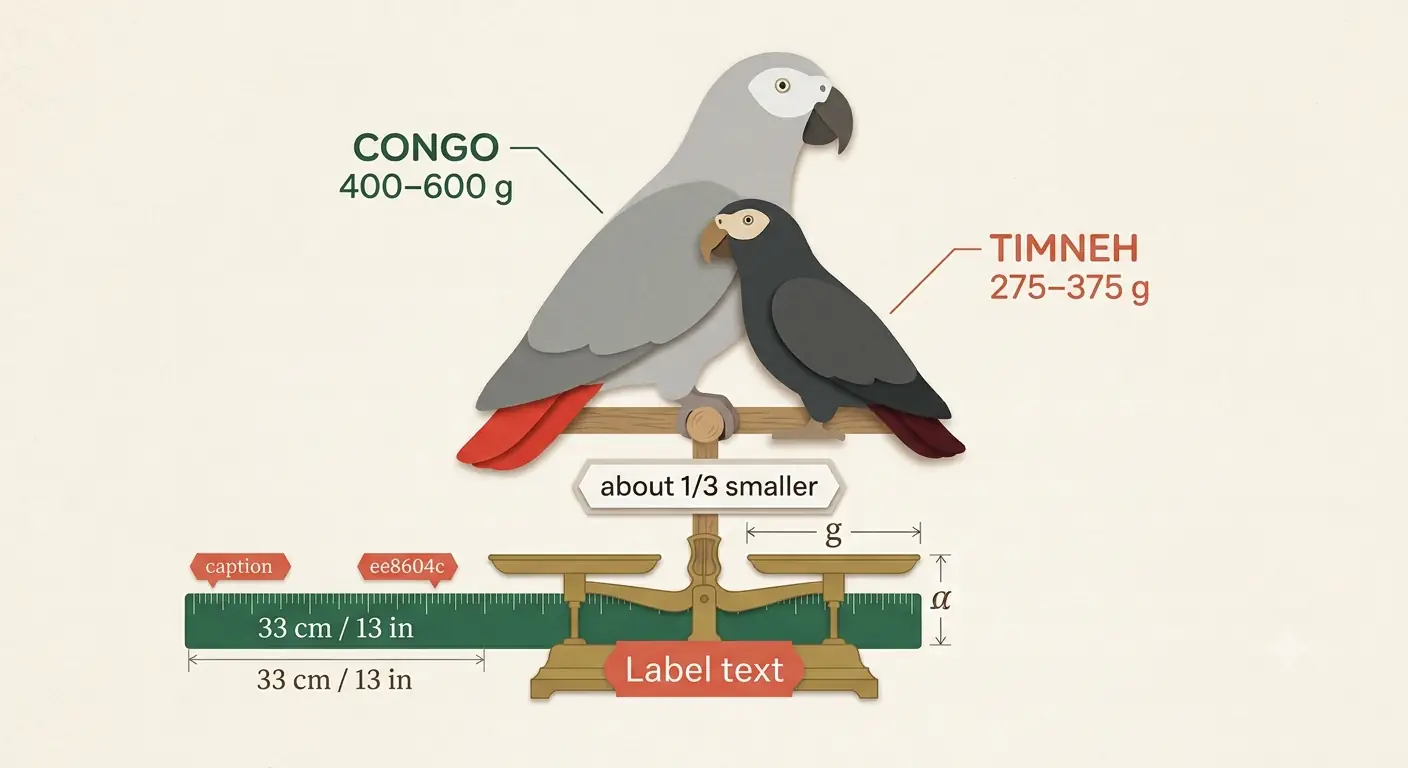
Put the two side by side and the Timneh is about a third less bird: 9–11 inches beak to tail against the Congo's 12–14. Don't read "smaller" as "lesser": the intelligence, the talking, the 40–60 year lifespan are all fully present. The maroon tail runs darker than the Congo's scarlet, the charcoal body reads a full shade deeper, and the two-tone beak is the fastest tell when tails are hidden.
What Is Timneh Temperament Really Like?
Even. Where a Congo watches and deliberates, a Timneh tends to shrug and adapt. New cage placement, houseguests, a schedule that shifts — Timnehs generally ride it out with less drama. Owners who've kept both describe their Timnehs as more easy-going about noise, novelty and handling, and that matches what we see at weaning: Timneh chicks step up for strangers sooner.
Why Do First-Time Owners Lean Timneh?
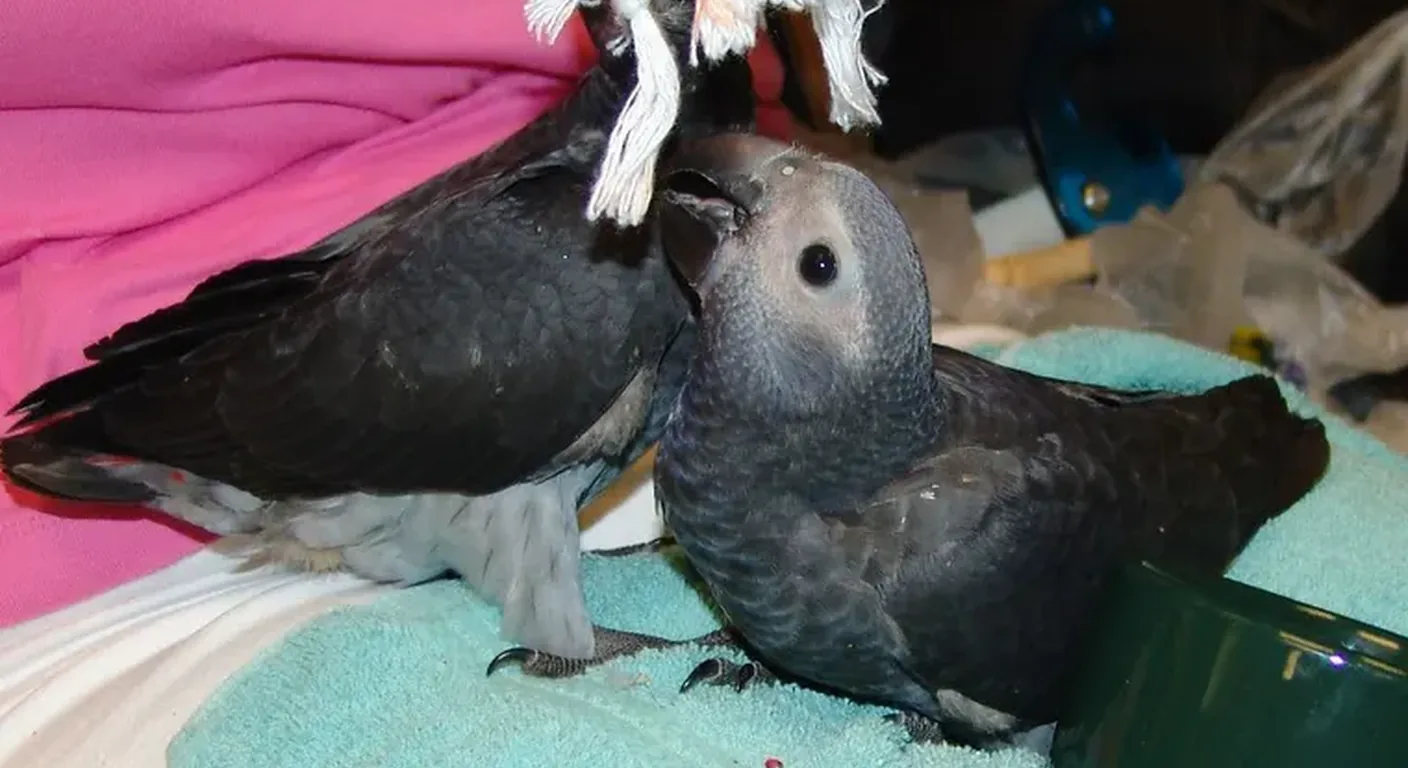
Three reasons we hear at pickup: the steadier temperament, the family-wide bonding and the earlier maturity. A Timneh is likelier to accept handling from everyone in the house instead of electing a favorite and filibustering the rest. For a family buying "our bird" rather than "my bird," that difference is the entire decision.
Earlier Maturity, Steadier Adolescence
Timnehs reach behavioral maturity around 2–3 years; Congos take 4–6. That's not trivia — the maturation window is when hormonal moodiness, testing and nipping happen. A shorter adolescence means a shorter stretch of "why is my sweet baby bird suddenly a critic," which is exactly the stretch that gets first-time owners rehoming birds.
Breeder note: Elad & Evie's line (Levi × Rily)
Our current Timnehs, Elad and Evie, come from our proven pair Levi and Rily — you can meet both youngsters on their pages (Elad, Evie). Same parents, two different birds: Elad is small in size and fearless in spirit, always ready to explore something new; Evie is calm by nature, observant by instinct, and endlessly affectionate once she trusts you. Variant patterns are real; individuals still win.
Which Health Risks Do We Screen Timnehs For?
The same grey-specific list as the Congo (hypocalcemia and feather-destructive behavior), with the same prevention stack, and the same PBFD/Polyomavirus PCR screening before any Timneh leaves here. Species-wise, Psittacus timneh was recognized as its own species and is IUCN-listed Vulnerable (the Congo is Endangered), which is why captive-bred documentation matters just as much on the "budget" grey. There is no budget grey. There are documented greys and there are risks.
Which Grey Talks Better — Congo or Timneh?
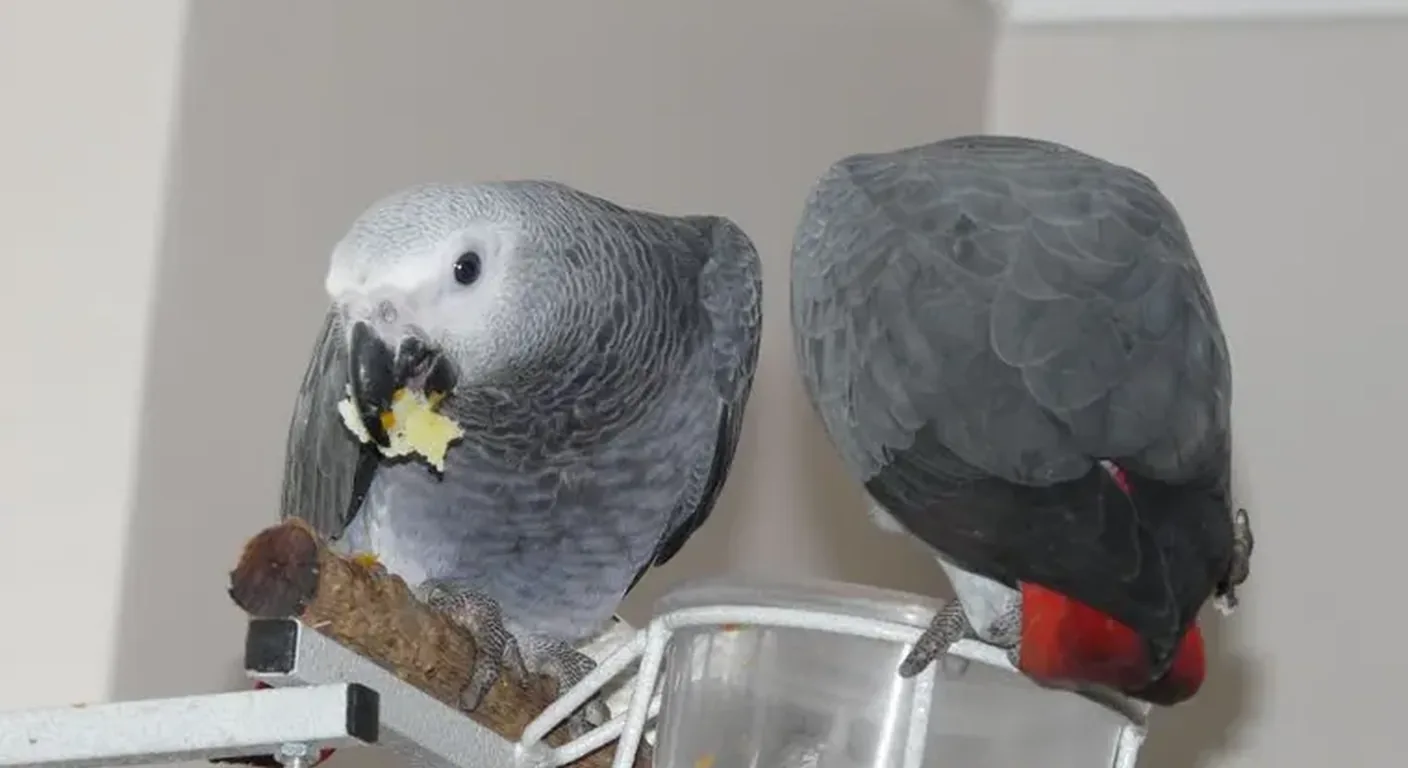
This is the question, so here's the honest version: Congos are the more precise mimics; Timnehs usually start sooner. If you want the bird that reproduces your ringtone so accurately you check your pocket, that's the Congo. If you want words earlier and don't mind a slightly rougher impression, the Timneh gets there first.
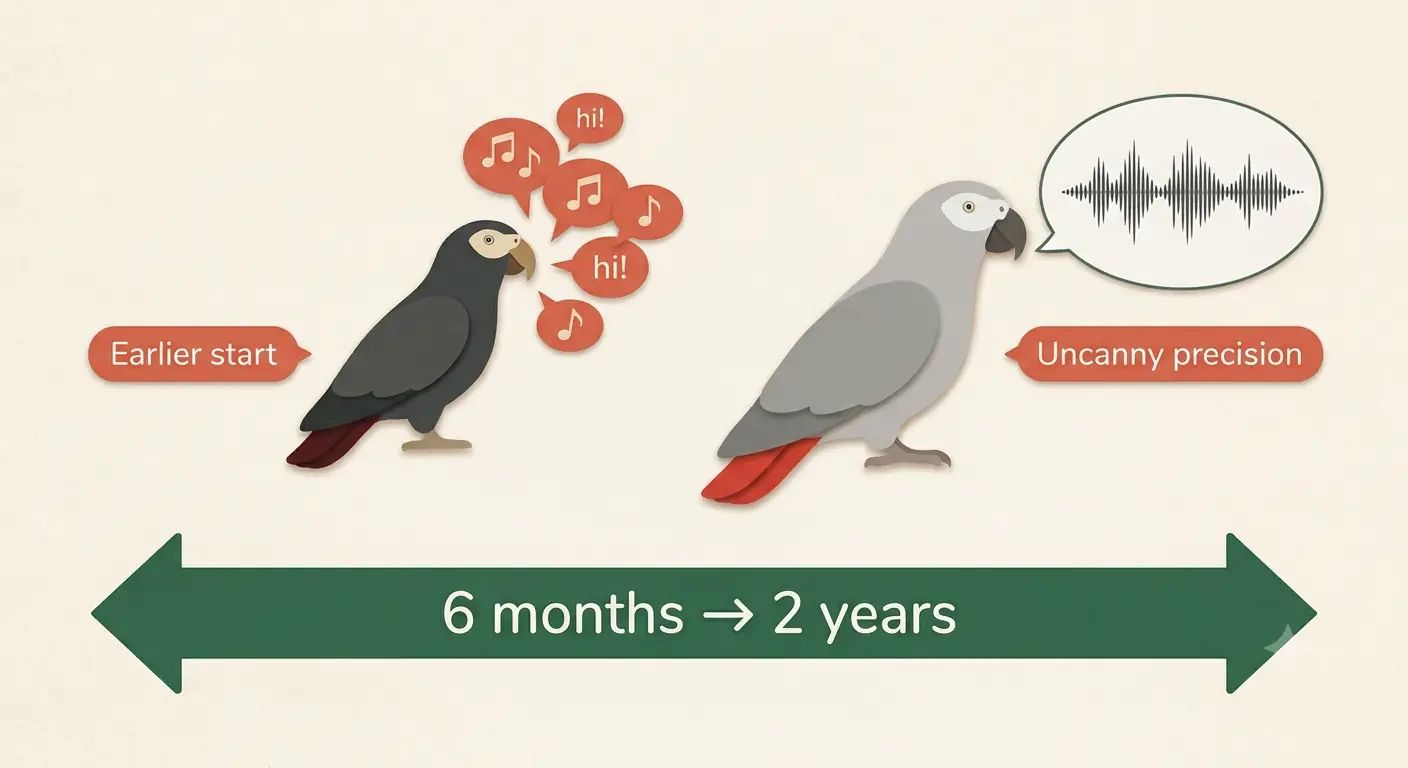
Mimicry Precision vs Early Onset — What Owners Actually Report
The owner consensus across the big African Grey communities matches our nursery notes almost exactly. Congo owners describe a determined perfectionist — one owner of both put it as her Congo being "much more determined to mimic what she hears correctly," while her Timneh was "way more slack and easy-going about what noise he says." That's the trade in two sentences: precision versus ease.
When Does Each Variant Start Talking?
Timnehs typically begin making speech-like sounds earlier — often around four to six months, consistent with their earlier overall maturity. Congos commonly start closer to the one-year mark but compound harder: bigger eventual repertoires, cleaner reproduction, and that eerie context-appropriate usage greys are famous for. Individual variance swamps averages, though. We've weaned quiet Congos and chatterbox Congos out of the same clutch. Our African Grey talking ability guide breaks the timeline down month by month.
Reddit-Owner Consensus vs Our Aviary Notes
Where the internet and our experience agree: onset (Timneh earlier), precision (Congo cleaner), and volume of mimicry attempts (Timneh more casual noise, Congo more rehearsal-then-performance). Where we'd push back: the claim that Timnehs are categorically "worse talkers." Ours narrate the aviary all day. The ceiling is similar; the style differs.
Citation: r/AfricanGrey owner thread
Owner quotes in this section come from the r/AfricanGrey community's "Main differences between a Timneh and Congo?" discussion ↗, the top-ranked real-owner comparison online as of mid-2026.
How Loud Are They — and What About Dander?
Noise and allergies end more parrot placements than price ever does, so before you compare decibels between these two variants, it helps to see where any African Grey sits on the wider parrot loudness ladder — and to hear about the feather dust nobody warns first-time buyers about.
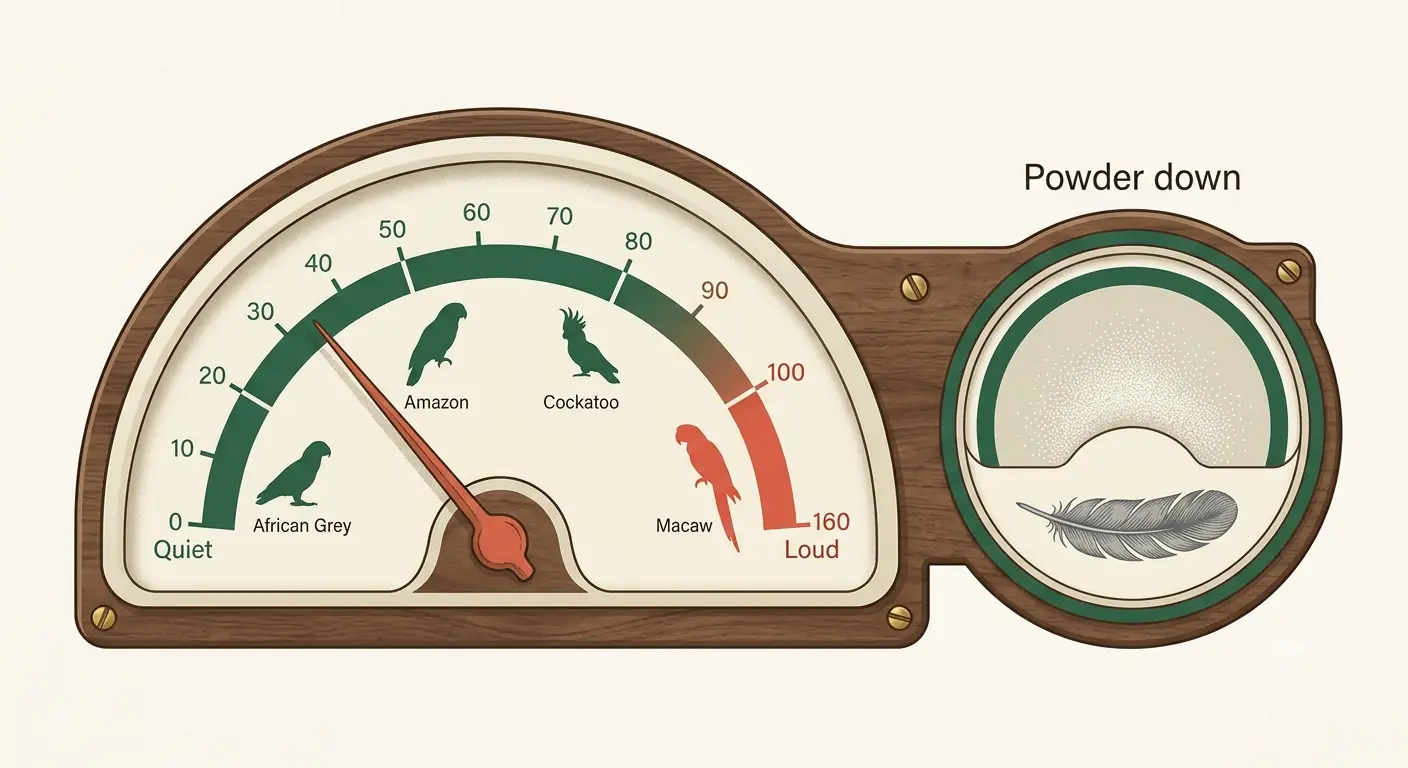
Neither grey belongs anywhere near the top of the parrot noise chart — that podium is cockatoos, macaws and conures. Greys are talkers, whistlers and appliance impersonators, with predictable vocal peaks at dawn and dusk. Between the two, owners tend to report Congos as marginally more intense when they do sound off, and Timnehs as more frequent, lower-stakes chatterers. Both are apartment-plausible; neither is silent.
Powder-Down Dander: The Allergy Question Nobody Asks First
Here's the one buyers never ask about and always should: African Greys (both variants, equally) are powder-down birds. They produce a fine white feather dust that ends up on shelves, screens and, relevantly, in the air. For most households it's a dusting-schedule issue; for allergy- or asthma-prone households it's a real screening question, and an air purifier near the cage is a standard grey-owner purchase. If bird dander allergies run in your family, spend an afternoon around adult greys before you reserve either variant. We'd rather lose a sale than place a bird in a home that can't breathe with it.
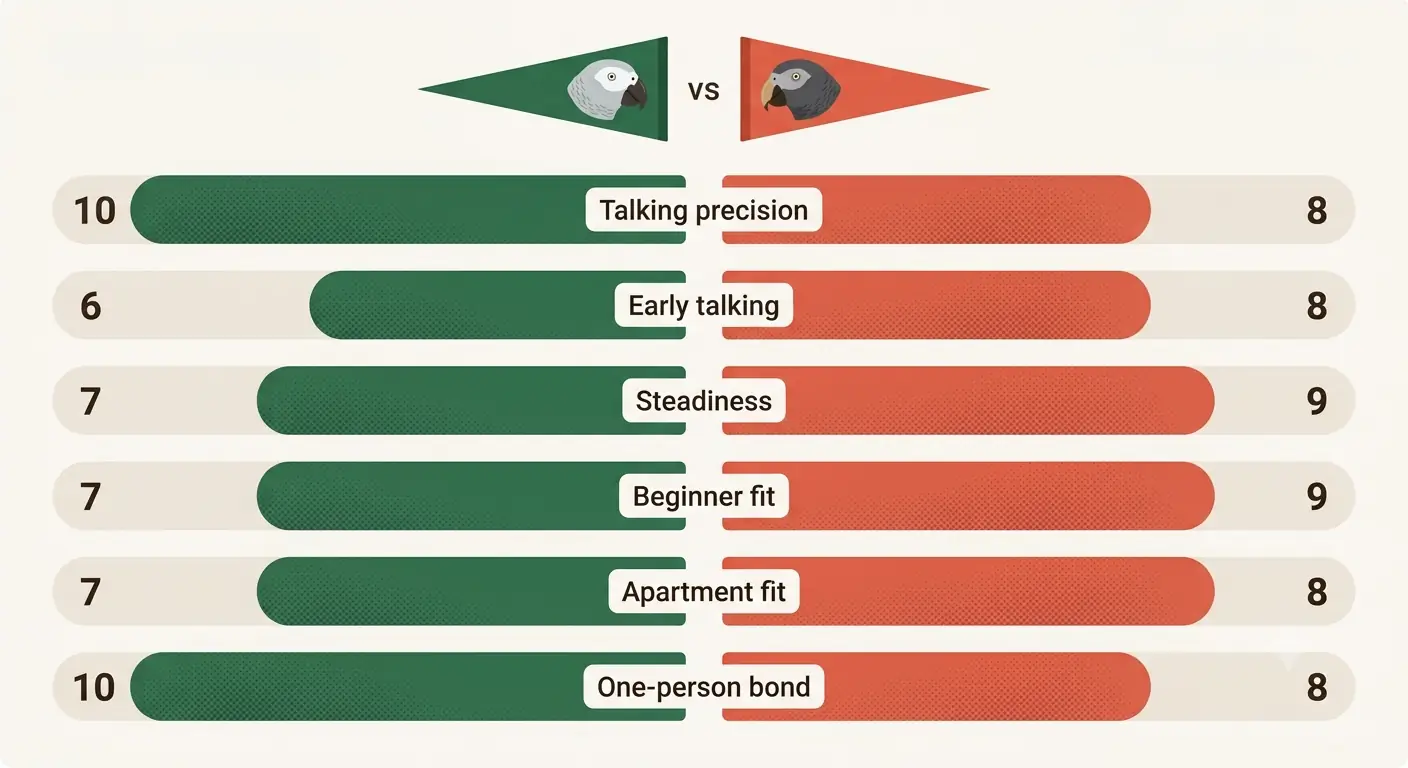
Decision Scorecard: Congo vs Timneh Across 6 Traits
If you arrived here from a "which African Grey is better as a pet" search, this is our answer in numbers. The scores are ours, 0–10, from raising both variants side by side — editorial calls, not lab measurements — and we've marked where the honest answer is "the individual bird wins."
| Trait | Congo | Timneh | Our note |
|---|---|---|---|
| Talking precision | 10 | 8 | Congo's signature |
| Early talking onset | 6 | 8 | Timneh maturity advantage |
| Temperament steadiness | 7 | 9 | Timnehs shrug more |
| Beginner suitability | 7 | 9 | shorter adolescence, forgiving nature |
| Apartment fit | 7 | 8 | both plausible; Timneh slightly easier |
| Depth of one-person bond | 10 | 8 | Congo's other signature |
Read the pattern, not the totals: the Timneh wins the "easier to live with" cluster; the Congo wins the "peak grey experience" cluster. Neither column has a bad number because neither is a bad bird — you're choosing between two kinds of excellent.
Which Grey Fits Your Lifestyle?
Scores are useful; households are specific. Whether you're weighing the best parrot for apartment living, a family-friendly parrot that tolerates a busy house, or a calm companion bird for retirement, the honest match depends on who's home, how much quiet you need, and who expects to handle the bird. Find your household below — this is the same walkthrough we do by email.
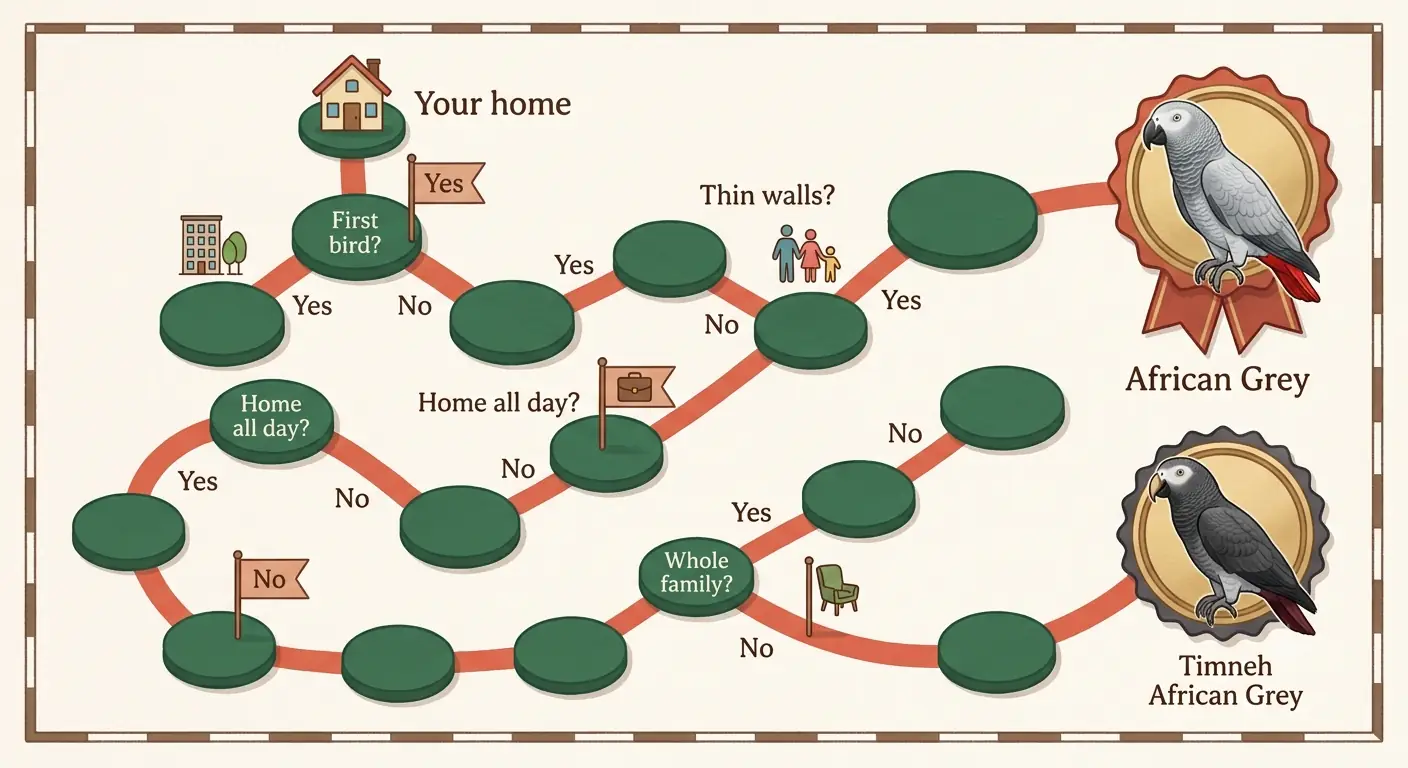
Match by Household
Five real household types, five honest answers — including the one where our answer is "maybe don't buy a grey this year."
First-Time Bird Owner
Lean Timneh. The steadier temperament and shorter adolescence forgive the mistakes every first-timer makes. A Congo is absolutely achievable as a first bird (plenty of our buyers prove it), but the Timneh gives you a wider margin for error at a slightly lower price.
Family with Kids
Lean Timneh, for one specific reason: bond distribution. A Congo that elects Mom can spend years treating the kids as furniture. Timnehs are likelier to accept the whole flock. Either way, greys and toddlers need supervised distance — this is a 40-year bird, not a starter pet.
Apartment or Condo
Either works; the Timneh is the marginally safer call on noise intensity, and both need the same non-negotiable: out-of-cage hours every day. What fails in apartments isn't decibels — it's a bored grey turning into a loud one. Budget time before you budget square footage.
Busy Professional
Honest answer: think hard, then think again. A grey alone ten hours a day is how feather-destructive behavior starts, whichever variant you pick. If your schedule is genuinely full, consider whether an adult bird with an established temperament fits better than a chick — or whether this is the year to wait.
Senior or Quiet Household
This is where Congos shine. A calm, consistent, deeply attentive household is the exact environment where the one-person Congo bond becomes the thing owners write us about years later. One planning note we'd be negligent to skip: a grey bought at 65 needs a succession plan in writing. It will outlive the arrangement otherwise.
Still torn after the breakdown? That's what we're for — the inquiry form at the bottom reaches Mark and Teri directly, and "which variant fits our house" is our favorite email to answer.
What Do Congo and Timneh Greys Cost?
Sticker prices first, because nobody trusts a page that hides them: our Congos run $1,700–$3,500 (weaned chicks $1,700–$2,500, older or proven birds up to $3,500) and our Timnehs $1,500–$1,600. A $200 deposit reserves either. The price guide lists full current pricing per bird, updated as clutches wean.
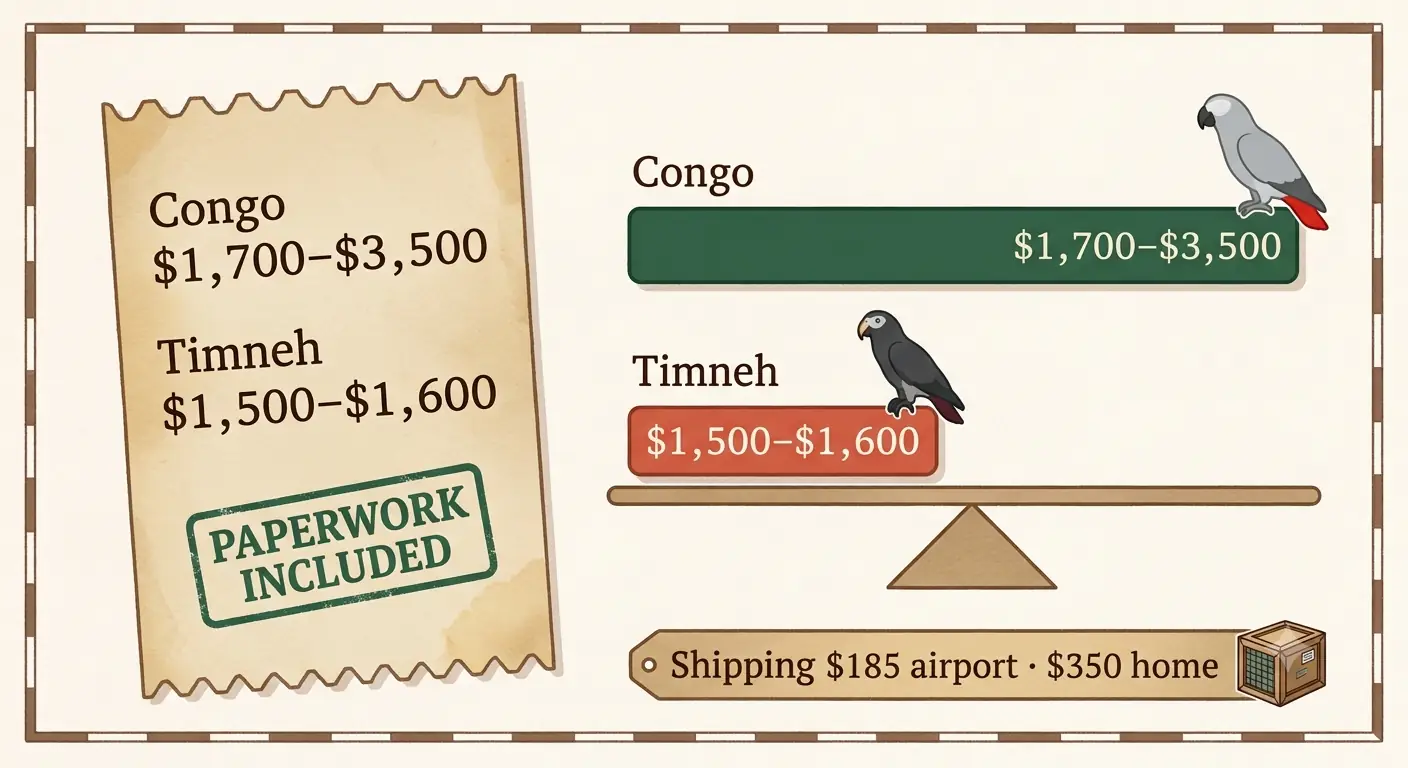
Our Price vs What You'll See Elsewhere
We track competitor grey pricing weekly, and the pattern worth knowing isn't the high end — it's the low end. Listings at $800–$900 with no CITES paperwork, no DNA sexing and no vet certificate are where the scam reports come from, and "cheap grey" ads are the single most common thing buyers ask us to sanity-check. A documented grey costs what it costs because the documentation is real work. An undocumented one isn't a discount; it's a different product.
What's Included in Our Price
Everything in the trust stack, at no line-item cost: CITES captive-bred documentation, DNA sexing certificate, avian-vet health certificate, hatch certificate with closed band, and the PBFD/Polyomavirus PCR screening. The only add-on is getting the bird to you — $185 airport, $350 home delivery.
First-Year Budget Beyond the Bird
Plan on $825–$2,000 in year one on top of purchase: a proper large cage ($300–$800 — this is not the place to economize), perches and first toys ($100–$300), the establishing avian-vet visit ($75–$200 — the Association of Avian Veterinarians ↗ can point you to a certified avian vet near you), a year of quality pellets ($200–$400) and enrichment ($150–$300). Ongoing years run roughly $375–$1,350 depending on your vet luck and your bird's toy-destruction ethic.
Breeder note: why we don't sell unweaned chicks
You'll find unweaned grey chicks online for less. We don't sell them at any price — hand-feeding mistakes (crop burn, aspiration) kill chicks in inexperienced hands, and "save money by finishing the weaning yourself" is the worst trade in aviculture. Every C.A.Gs bird leaves fully weaned. That's included in the price too.
What Do the First 30 Days Look Like?
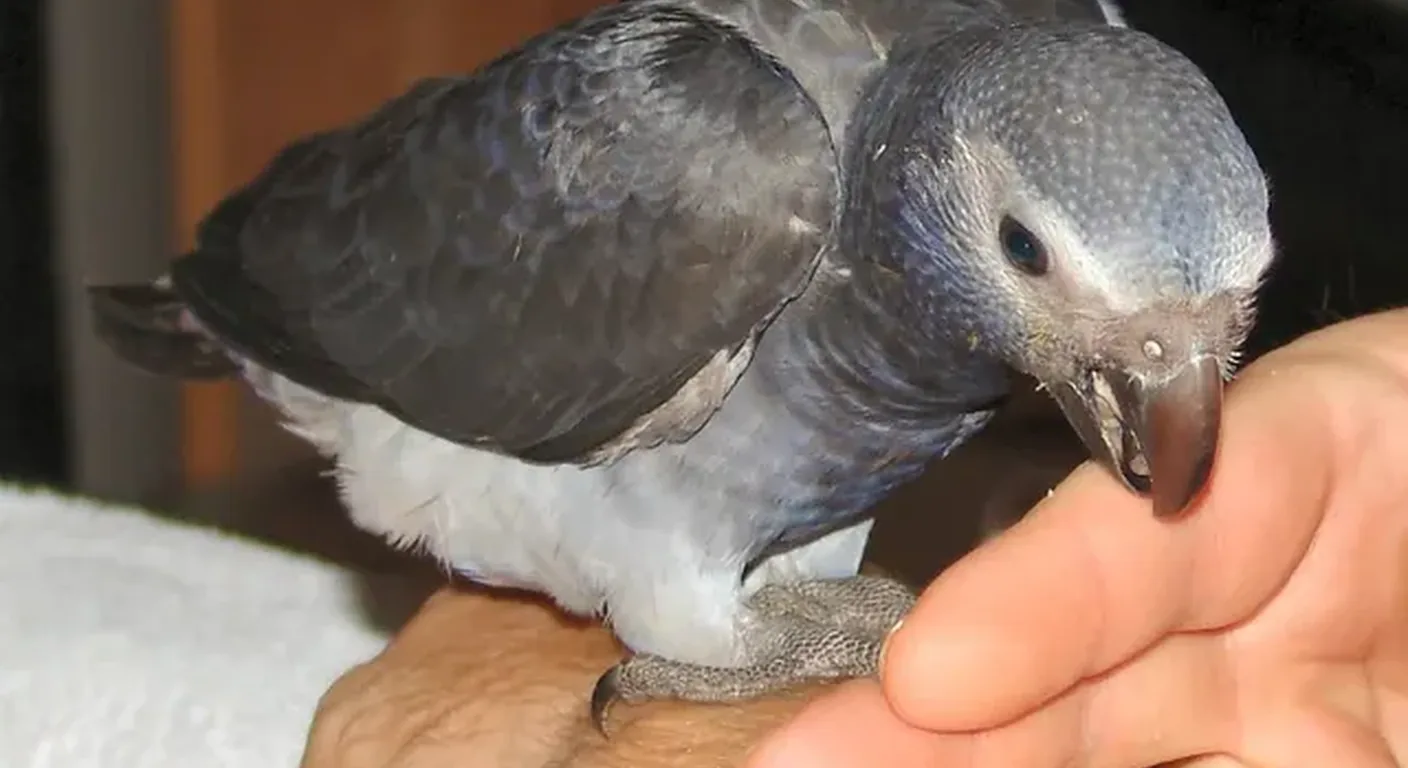
The variant you choose changes the flavor of the first month, not the structure. Teri walks every buyer through the same four phases:
The Four Adjustment Phases
Print this — it's the difference between "my new grey hates me" panic and knowing your bird is exactly on schedule.
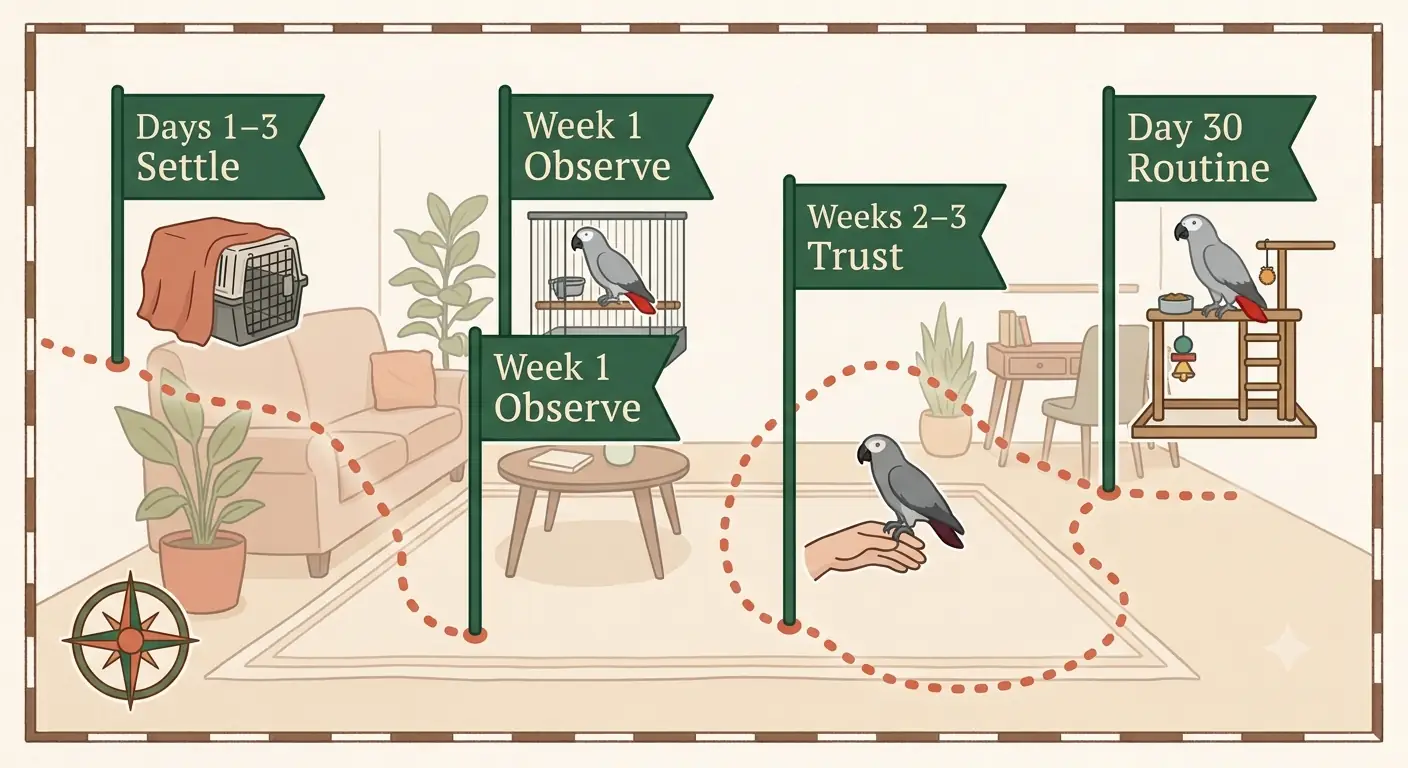
Quiet, low perching, eating only when you're not staring. Congos run quieter here; Timnehs often start test-chattering by day two. Both normal.
The bird learns the household: who moves how, what sounds mean, when food happens. Keep the routine boring on purpose.
Step-ups get voluntary, treats get taken gently, and you'll hear the first experimental sounds of your house.
The personality arrives — and we make our check-in call. Buyers of both variants get our direct line for that whole first month.
Congo vs Timneh Myths — What's Actually True?
Every African Grey forum carries the same handful of confident, wrong claims about these two species, and buyers arrive quoting them weekly. Even mainstream care guides like The Spruce Pets' African Grey overview ↗ stick to the verifiable differences — darker plumage, smaller frame — so here's where the folklore parts ways with what our clutches actually do.
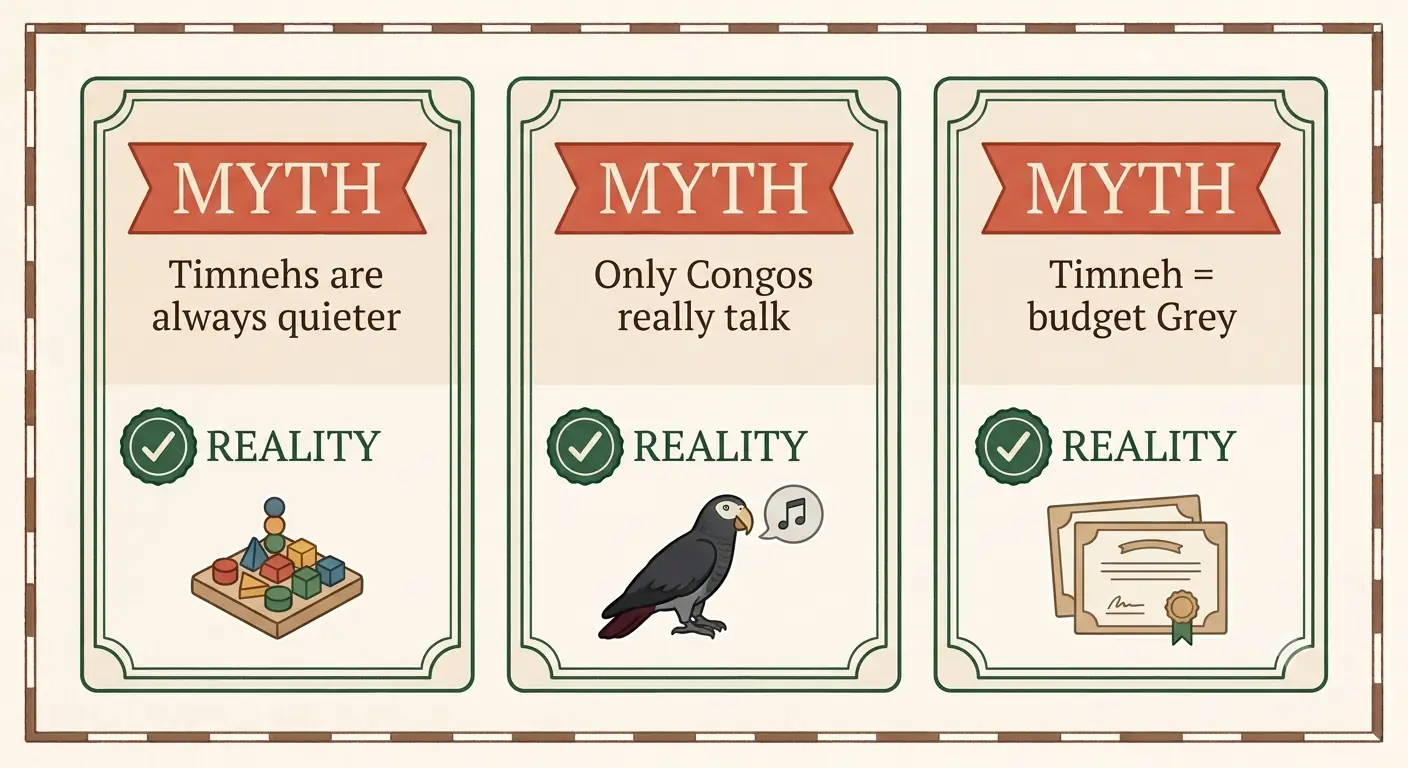
The Three Myths We Hear Most
Two quick ones first, then the big one that deserves its own reality check.
"Congos are smarter." No evidence — both are Psittacus with the same celebrated cognition. Congos are more demonstrative about it, which reads as smarter and is really just louder scholarship.
"Timnehs are budget greys." The Timneh is its own recognized species (Psittacus timneh), IUCN-listed Vulnerable, with identical documentation requirements. It's smaller and priced lower here; it is not lesser.
The Big One: "Timnehs Are Always Quieter"
The most repeated claim online, usually stated as law.
The Reality: Individual Personality Wins
Owners of both variants report quiet Congos and loud Timnehs routinely; environment and enrichment drive noise more than variant does. Our honest version: Timnehs trend steadier, and a specific bird can flip the trend without apologizing.
Citation: owner reports across variants
The pattern above matches owner discussions in the large African Grey communities (Reddit, the major Facebook groups) as well as what our own clutches do — trends real, guarantees nonexistent.
CITES Status & Documentation
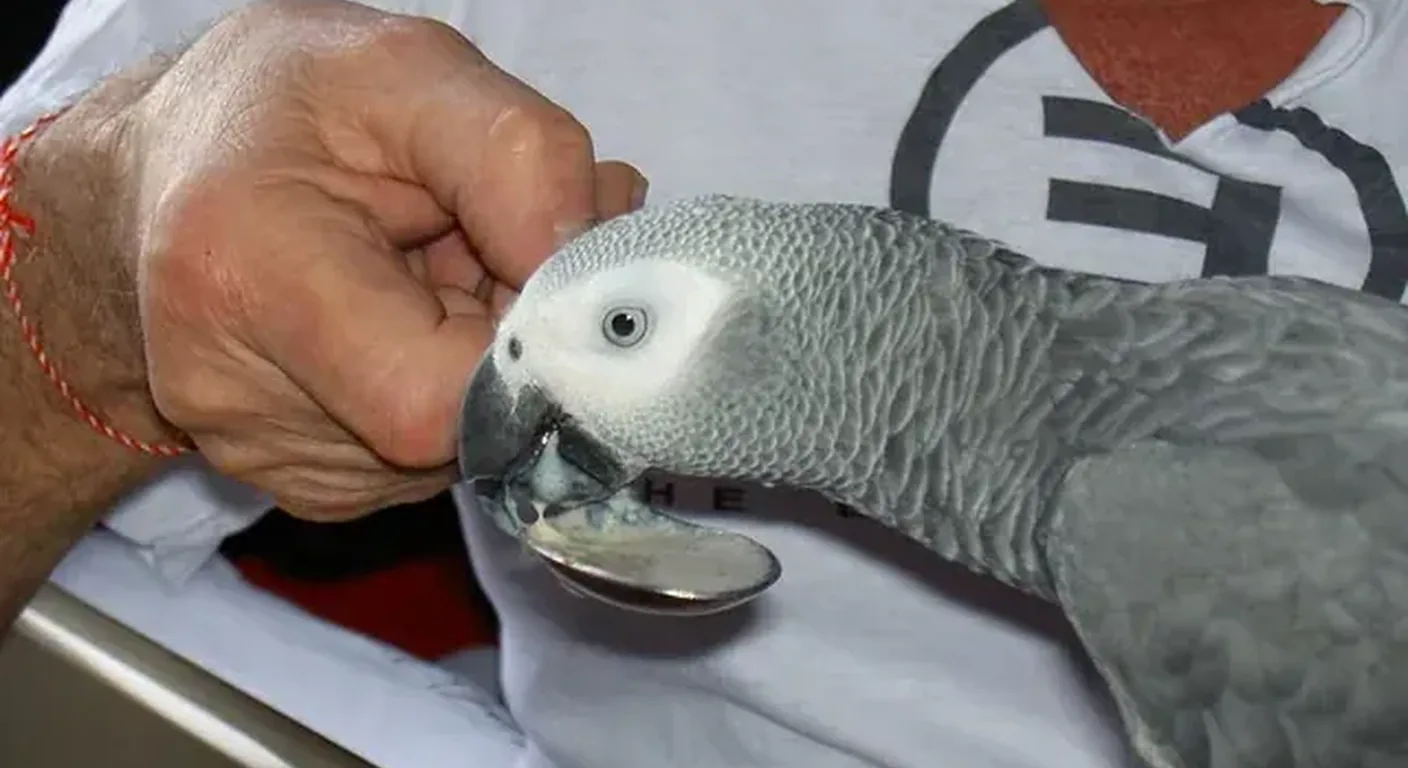
Both variants sit on CITES Appendix I — the treaty's highest protection tier, applied to African Greys at CoP17 (effective January 2017) after wild-trapping devastated wild flocks, a history the species entry at Encyclopaedia Britannica ↗ summarizes well. Appendix I doesn't mean ownership is illegal; it means the paperwork proving captive-bred origin is everything.
What Paperwork Comes With Every Bird?

The full stack, both variants, no exceptions: CITES captive-bred documentation, hatch certificate with closed leg band, DNA sexing certificate, and the avian-vet health certificate. If any grey seller anywhere hesitates on any of those four, that hesitation is your answer.
Appendix I, in Plain English
Wild-caught greys cannot legally enter the US pet trade — the U.S. Fish & Wildlife Service's Wild Bird Conservation Act page ↗ explains the import side of that wall. Captive-bred greys, documented, transfer legally within the country. The band on your bird's leg was closed when it was a chick — it physically cannot be added to a wild adult, which is why it matters more than any receipt.
Congo (Endangered) vs Timneh (Vulnerable): The IUCN Line
The wild Congo African Grey is IUCN-listed Endangered; the Timneh, Vulnerable. Neither status touches your captive-bred bird's legality — but it's why ethical sourcing isn't a marketing word on this page. Every documented captive-bred sale removes a reason for someone to trap a wild one.
Citation: cites.org & IUCN Red List
Listing details: the CITES species database ↗ and the IUCN Red List profiles ↗ for Psittacus erithacus and Psittacus timneh.
How Do Shipping & Our Health Guarantee Work?

IATA live-animal cargo · Delta, United or American to your nearest major airport

Climate-controlled van, couriered to your door with the full document folder
Two delivery tiers, nationwide, whichever variant you reserve. Every shipment travels with the health certificate and full document folder.
Where Do Our Greys Fly Most Often?
These seven routes cover most of the birds that leave Midland in a given season, and our full African Grey shipping process is written up on its own page. Each pill below goes to that area's own availability page:
- Texas greys, same-state pickup
- Florida airport arrivals
- New York home delivery
- Los Angeles cargo route
- Chicago O'Hare live-animal desk
- Georgia weekend deliveries
- North Carolina courier runs
- PBFD PCR screening
- Avian Polyomavirus PCR
- DNA sexing certificate
- Avian-vet health certificate
- Hatch certificate + closed band
The written health guarantee covers both variants identically — terms on the health guarantee page. Reserve with a $200 deposit; the balance settles before shipping.
Ships nationwide · $185 airport · $350 home
Which Congos and Timnehs Are Available Now?
Reading this page usually means one variant has started winning. Here's who's actually in the nursery — every card links to that bird's own page with its photos, parentage and documentation.
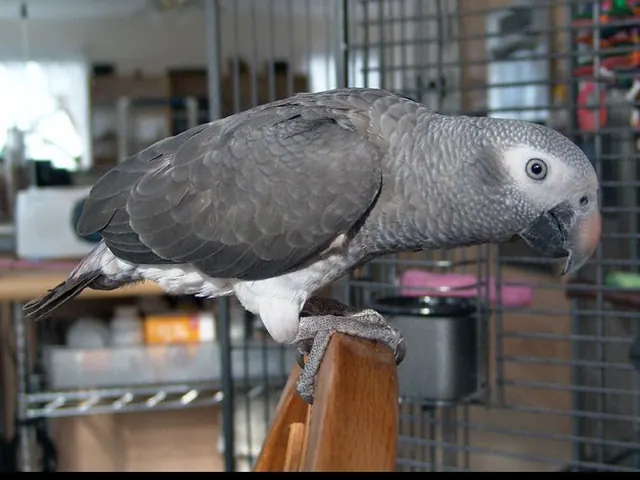
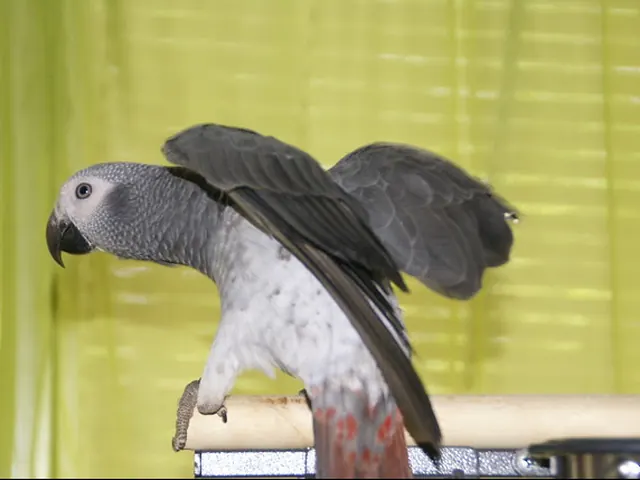
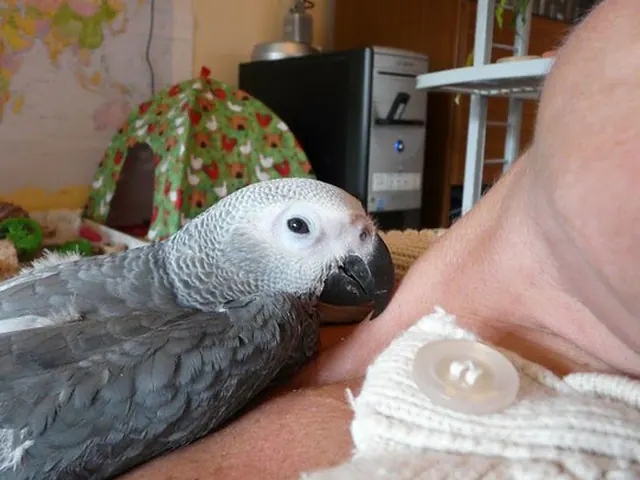
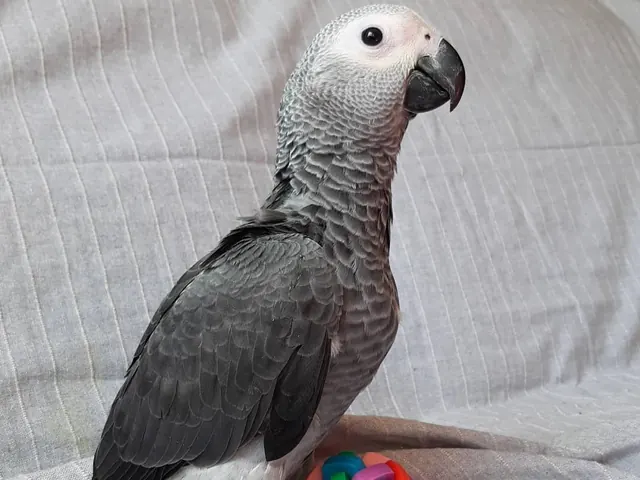
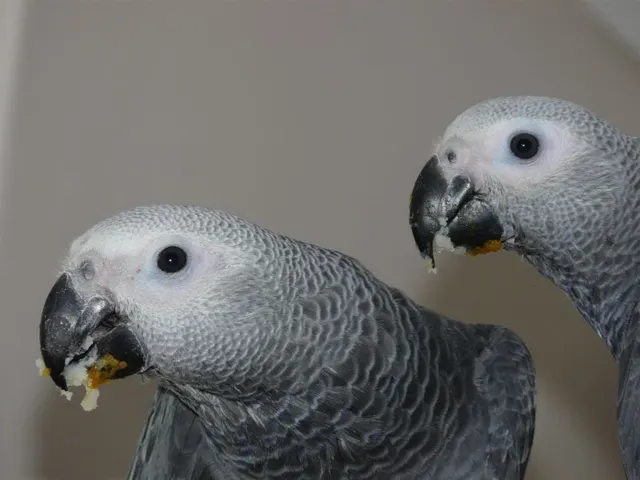 Congo · Available
 Jins & Jeni (Pair)
$3,500- CITES Cert
- PCR DNA-Sexed
- Vet Certified
- PBFD & APV Screened
- Fully Weaned
Looking for a Bonded Breeding Pair or Hatching Eggs Instead?
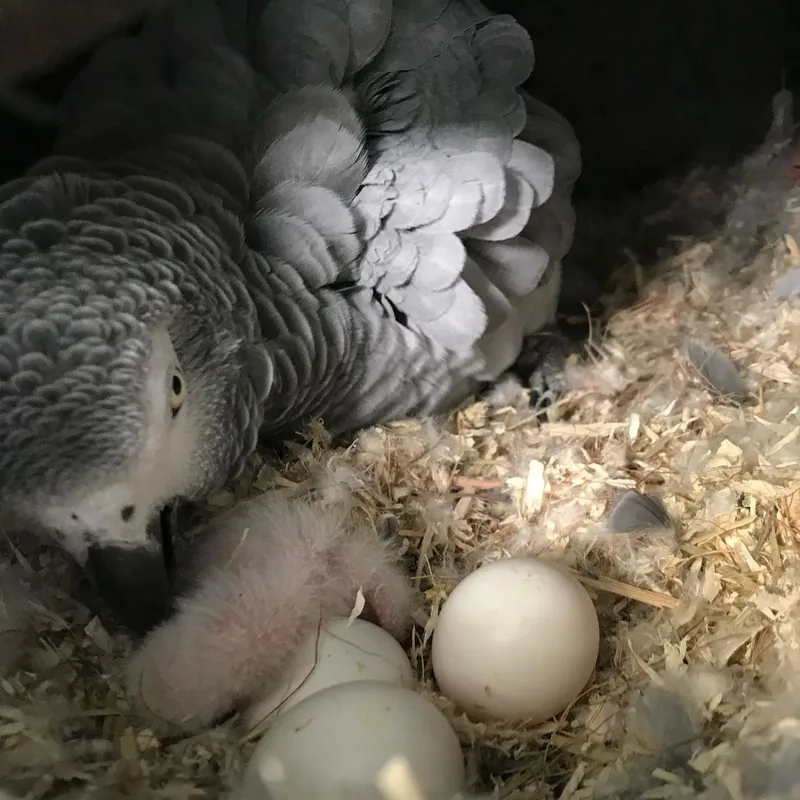
Not every inquiry here is for a single companion chick. Established aviaries write us about our bonded, proven-producing African Grey pair, and experienced incubator keepers ask about candled fertile African Grey hatching eggs — both live on their own pages, and both carry the same documentation stack as our companion birds.
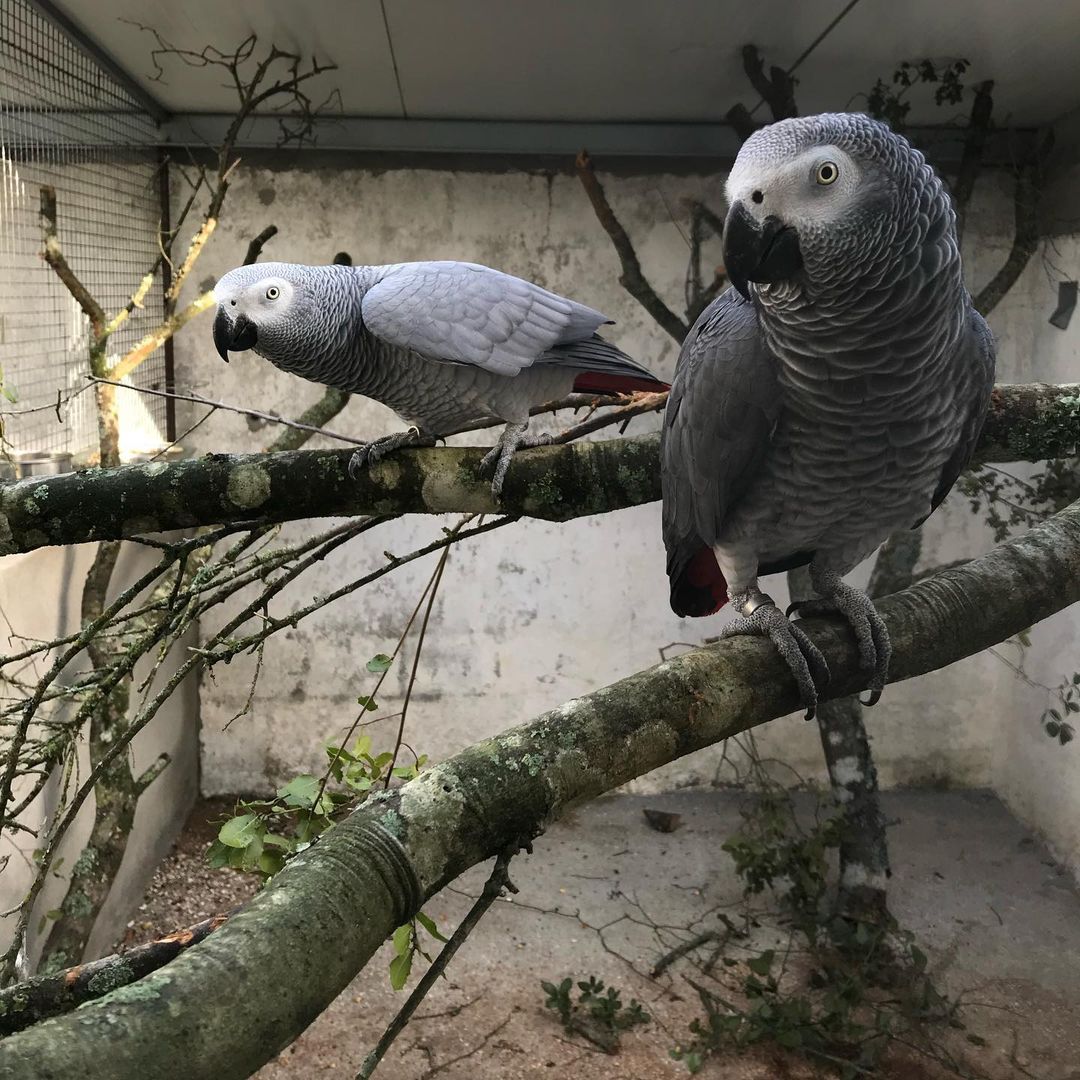
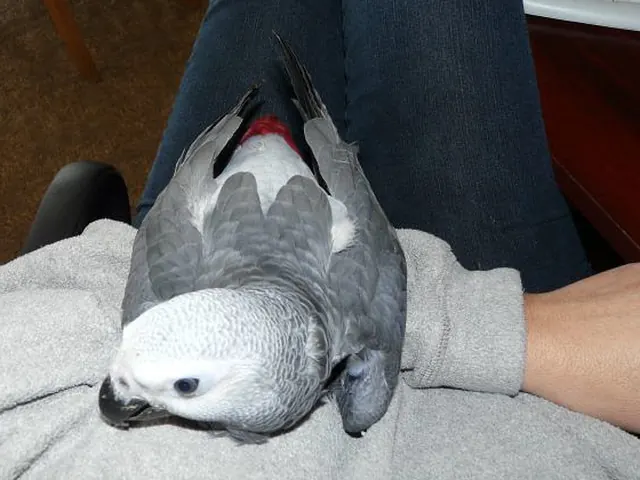 Clutch alerts
Congo or Timneh, Hear It Here First
Whichever variant your comparison chose, one short email tells you the moment the next documented chick opens for reservation.
How Two Families Chose
We could summarize a decade of these decisions, but two of our verified buyers say it better than we can. Both weighed the same Congo-vs-Timneh question you're weighing, and their stories sit alongside dozens more on our African Grey reviews page — here's what actually mattered to each.
 Richard WoodardWinter Haven, FL · Congo African Grey★★★★★
"At first I was hesitant about buying a bird online, but C.A.Gs made the process stress-free. They provided detailed care instructions and my parrot arrived in perfect condition. My Congo African Grey is now the star of our family, talking and entertaining us daily."
 Archie O'BrienFarmingdale, NY · Congo African Grey★★★★★
"Finding a healthy and well-socialized female Congo African Grey was important to me, and I'm so glad I chose C.A.Gs. The entire experience was professional, transparent, and reassuring from start to finish. My Congo Grey is beautiful, affectionate, and already showing an amazing personality. I highly recommend C.A.Gs to anyone looking for a quality Congo Grey parrot."
Notice what neither family mentions: regretting the choice. Match the bird to the household and that sentence never gets written.
Congo vs Timneh African Grey: FAQ
These are the questions people also ask once the tables and scorecards are done — the same ones that land in our inbox from buyers comparing the two grey parrot species. Short, honest answers here; our fuller African Grey parrot FAQ covers the care, diet and ownership questions that reach past this comparison.
What is the difference between a Congo and a Timneh African Grey?
The two African Grey species differ in four visible ways plus a few behavioral ones. A Congo African Grey is larger (400–600 g, 12–14 in) with a lighter silver-grey body, a solid black beak and a bright red tail; a Timneh African Grey is smaller (275–375 g, 9–11 in) with a darker charcoal body, a horn-colored upper beak and a dark maroon tail. Behaviorally, Congos are the more precise talkers and usually bond hardest with one person, while Timnehs mature earlier and tend to spread their bond across the whole household.
How can you tell a Congo African Grey from a Timneh?
Check the tail and beak first: a Congo has a bright red tail and an all-black beak; a Timneh has a dark maroon tail and a horn-colored patch on the upper beak. Size is the next tell (Congos are about a third larger), and the Timneh carries a soft paler-grey V across the chest that the Congo lacks.
Is a Congo African Grey bigger than a Timneh?
Yes — Congos run 400–600 g and 12–14 inches beak to tail with a broader build; Timnehs run 275–375 g and 9–11 inches, roughly a third smaller. Both carry the same intelligence and 40–60 year lifespan; the size difference is about presence and cage space, not capability.
Which African Grey talks better, Congo or Timneh?
Congos are the more precise mimics with typically larger repertoires; Timnehs usually start talking earlier. If precision is the dream, choose a Congo. If early words matter more, choose a Timneh. Individual birds outvote both averages.
Are Timneh African Greys quieter than Congos?
They trend steadier and their loud moments trend milder, but 'always quieter' is a myth — enrichment and environment drive noise more than variant. Neither grey approaches cockatoo or macaw volume.
Why are Timnehs cheaper than Congos?
Demand, not quality. The Congo's fame and red tail carry a premium. Our Timnehs ($1,500–$1,600) get identical documentation, PCR screening and hand-raising as our Congos ($1,700–$3,500).
Is every African Grey a Congo?
In casual use, usually — which confuses buyers. 'African Grey' covers two species: the Congo (Psittacus erithacus) and the Timneh (Psittacus timneh). Listings that don't say which one deserve a follow-up question.
Which African Grey is better for a first-time owner?
We lean Timneh: earlier maturity (2–3 years vs 4–6), steadier temperament, and more forgiving of beginner mistakes. A well-researched first-timer can absolutely succeed with a Congo too.
How long do Congo and Timneh African Greys live?
40–60 years for both with proper diet, UV-B exposure and avian-vet care. Plan for a bird that attends your retirement party.
Can I keep a Congo or Timneh in an apartment?
Yes, both — with daily out-of-cage time and realistic noise expectations (dawn and dusk vocal sessions, constant ambient mimicry). Timnehs are the marginally safer pick for thin walls.
When do Timnehs mature compared to Congos?
Timnehs reach behavioral maturity around 2–3 years; Congos take 4–6. A shorter adolescence means a shorter hormonal-teenager phase — the stretch where most rehoming happens.
What if I pick the wrong variant?
In a decade of placing both, 'wrong variant' regret is rare; 'wrong expectations' regret is not. Match the bird to your household with the scorecard on this page, ask us the hard questions before reserving, and either grey becomes the right one.
Keep Learning Before You Decide
A grey is a 40-year decision, so read like it. These three guides answer the questions that usually come next — when African Greys start talking, what one really costs beyond the sticker, and whether a grey is a wise first parrot for a beginner household.


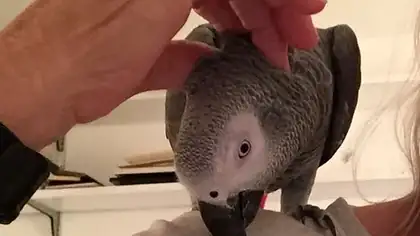
Ready to Bring Home Your Grey?
Whether the scorecard sent you Congo or Timneh, the next step is the same: tell us about your household and we'll tell you honestly which chicks fit it — including "none right now" if that's the true answer.