1. Home
  2. African Grey Parrot Price

The Honest Cost Guide · Published Pricing · No Hidden Fees

African Grey Parrot Price — Every Dollar, Published and Explained

Here at C.A.Gs in Midland, Texas, we publish our African Grey prices the way we wish every breeder did: in full, on the page, before you ever email us.

A documented, CITES Appendix I captive-bred Grey runs $1,500–$3,500 from our USDA-licensed aviary depending on variant and age — and that purchase price is only chapter one of a 40-to-60-year financial story.

This guide covers all of it: what each bird costs, why, what's included, what shipping runs, and what the first year and every year after will honestly ask of your budget.

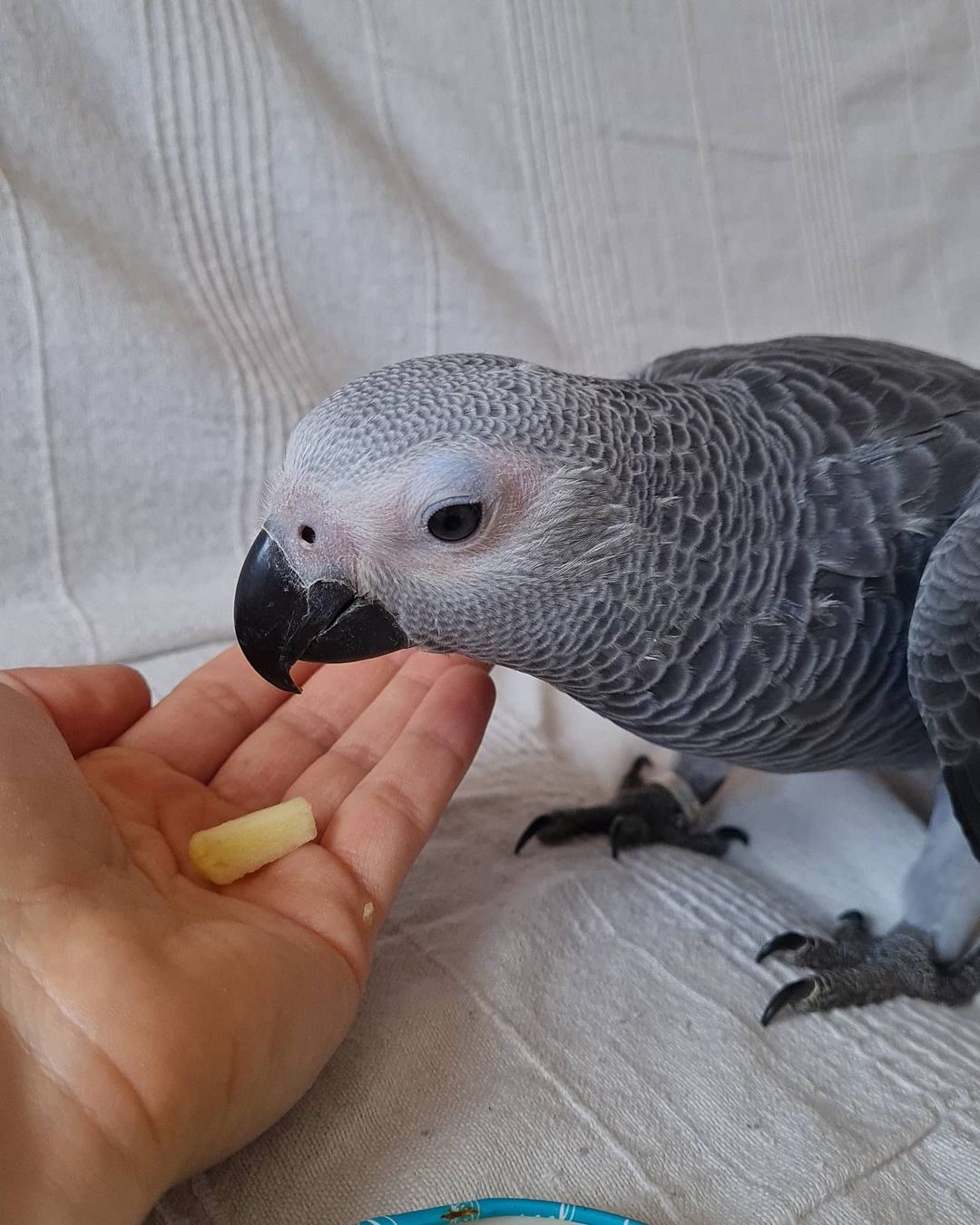
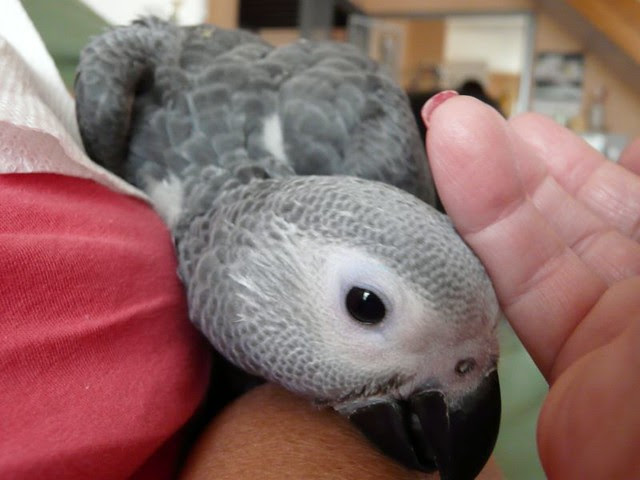
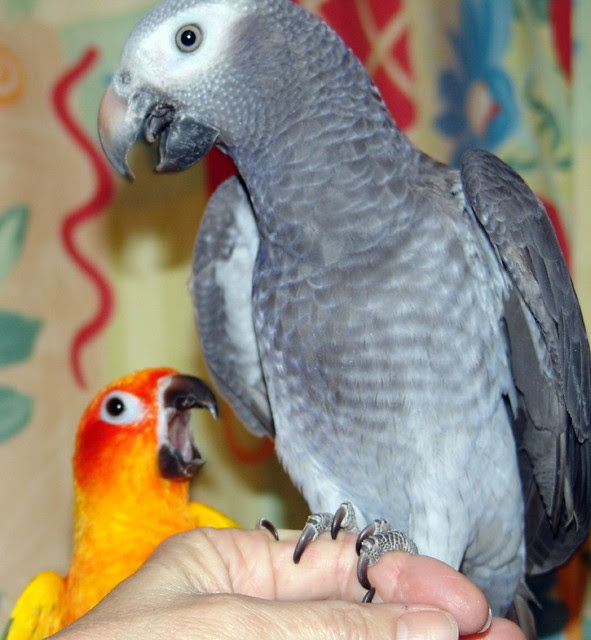
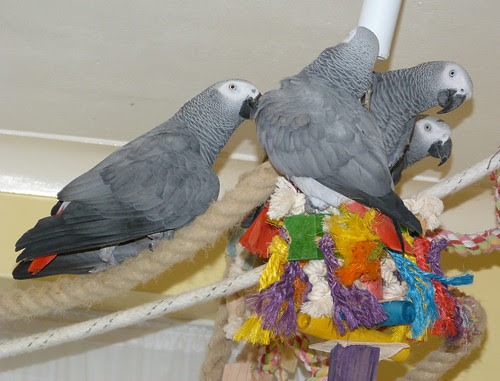
A baby African Grey parrot being hand-fed at the C.A.Gs aviary in Midland, Texas — the 12–16 weeks of hand-feeding labor that a documented African Grey parrot price actually pays for.
$1,500
CAG Floor
$3,500
CAG Ceiling
$185
Airport Pickup
$350
Home Delivery

The numbers, up front

What Does an African Grey Really Cost? (The 30-Second Answer)

6 numbers · 30-sec read
$2,300–$2,500
Congo Baby

Our hand-raised Congo babies (3–6 months) — weaned at 12–16 weeks, socialized, fully documented before they travel.

$1,500–$1,700
The Entry Tier

Timnehs run $1,500–$1,600 and settled adult Congos $1,700 — same documentation packet, gentler price.

$1,500
The Scam Floor

A legally documented, health-screened Grey realistically can't sell far below $1,500. Listings way under it are bait.

$185 / $350
Shipping Tiers

IATA-compliant nationwide on Delta, United, or American: $185 airport pickup, $350 to your door.

$825–$2,000
First-Year Setup

Cage, perches, toys, first vet visit, food and enrichment — budget it before the bird arrives, not after.

40–60 yrs
The Real Price Tag

Ongoing care of $375–$1,350/yr across a Grey's lifespan is the biggest line item nobody advertises.

Know the Price? Be First in Line When One Opens Up

Join the waitlist and we will tell you the moment a Congo or Timneh is available, at the honest prices listed on this page.

No spam. Unsubscribe anytime.

The Published Price List

How Much Does an African Grey Parrot Cost? (Our Full Price List)

A captive-bred African Grey from our aviary costs $1,500 to $3,500: Congo babies are $2,300–$2,500, settled Congo adults $1,700, Timnehs $1,500–$1,600, and a bonded pair $3,500 — every price including the complete documentation packet, with a $200 deposit that applies in full to the balance.

We put the table first because that is what you came for, and because a breeder who makes you email twice to learn a price is telling you something about how the rest of the transaction will go.

These are our real, current numbers — the same ones in our inquiry replies, verified against our price records and updated whenever a clutch changes.

The African Grey (Psittacus erithacus), as the World Parrot Trust species profile documents, is among the most sought-after companion parrots in the world, and demand keeps the legitimate market tight: small clutches, slow 12–16 week weaning, and CITES Appendix I paperwork on every legal bird.

What We Offer Price Notes
Congo African Grey — baby (3–6 months) $2,300–$2,500 Hand-raised, fully weaned at 12–16 weeks, socialized
Congo African Grey — adult (1 yr+) $1,700 Tame, established personality, full paperwork
Timneh African Grey $1,500–$1,600 Smaller variant, calmer, often an earlier talker
Bonded pair (Jins + Jeni — must go together) $3,500 Unrelated male + female, both hand-raised
Proven breeding pair $3,000 Bonded, DNA-certified — for established breeders
Fertile egg (experienced breeders only) $95 Buy 5 eggs, free US shipping · no incubation support
Deposit to reserve any bird $200 Applied in full to the final price

Two structural notes on the table. First, age moves the price more than anything else: a baby carries months of our hand-feeding labor in it, while an adult like Bery at $1,700 is the genuine value pick — settled temperament, full paperwork, lower price.

Second, the fertile-egg line exists for established breeders only; we list it for transparency, but if you are reading a price guide to choose your first companion bird, an egg is not your road and we will say so plainly if you ask.

If your budget research started with the word "adoption" rather than "price," that is a different and legitimate road — our honest African Grey adoption guide covers where to genuinely adopt, and the companion adoption cost breakdown handles rescue-fee math line by line. This page covers the breeder side of the ledger.

Reading the Market

Why Do African Grey Prices Vary So Much — and Where Is the Scam Floor?

African Grey prices vary with age, variant, hand-raising labor, and documentation — and they bottom out around $1,500, because that is what a legally documented, health-screened captive-bred bird actually costs to produce.

A Grey advertised far below that floor is almost always a scam or an undocumented bird.

When you compare listings, four honest variables explain nearly every legitimate price difference.

Age: babies cost more than adults because hand-feeding a chick every few hours for 12–16 weeks is real labor, and a weaned, socialized baby is the finished product of it.

Variant: Congos out-price Timnehs on recognition and demand, not quality — the smaller Timneh is every bit the companion.

What's behind the bird: a USDA Animal Welfare Act-licensed facility, PCR DNA sexing, PBFD and Polyomavirus screening, and an avian veterinarian's exam all cost the breeder money before the bird ever earns a dollar.

What travels with the bird: the CITES Appendix I captive-bred paperwork that makes ownership legal — our captive-bred African Grey guide explains why that single word, documented, carries most of the value.

Now the floor. African Greys were uplisted to CITES Appendix I at CoP17, effective January 2017, which ended commercial trade in wild-caught birds; every legal Grey in the U.S. market today is captive-bred and papered.

Producing that bird — the months of feeding, the lab work, the vet certificate, the licensing — sets a real cost basis, which is why you will not find a legitimate documented Grey selling for a fraction of it.

So when a listing offers an African Grey at a few hundred dollars, you are looking at one of two things: a bird that does not exist (the deposit-and-vanish scam, often dressed up with "free bird, just pay shipping" fees that never end), or a bird without the paperwork that makes it legal to own.

Both cost you far more than the $1,500 you thought you were saving.

We keep our pricing published precisely because scammers can't. A fraudster quoting from a stolen photo has to keep numbers vague and urgency high; a licensed aviary can put the whole table on the page and let it sit there all year.

Before any money moves anywhere — with us or anyone else — read our guide on how to avoid African Grey parrot scams; it unmasks the grieving-widow, deploying-soldier, and free-bird scripts in minutes, and it is the cheapest scam insurance that exists.

No Hidden Fees

What's Actually Included in Our African Grey Price?

Every price on this page includes the bird's complete documentation packet — CITES Appendix I captive-bred paperwork, hatch certificate, closed band, PCR DNA sexing, PBFD and Polyomavirus screening, an avian veterinarian's health certificate, and our 72-hour written guarantee — at no extra charge.

The fastest way to understand an African Grey's price is to look at what arrives with the bird.

Here at C.A.Gs, the price you see is the file you get — we hand-raise every chick in our Midland home, and by the time a Grey leaves us, it carries paperwork most cheap listings have never heard of:

CITES Appendix I Captive-Bred Documentation

Proves your Grey was bred in captivity in the USA — the paperwork that makes ownership and transfer legal under Appendix I.

Hatch Certificate + Closed Band

The hatch date and seamless closed-band number — slipped on in the first weeks of life, impossible to fake onto an adult bird.

PCR DNA Sexing Certificate

Greys are not visually sexable. Lab-confirmed sex from an avian laboratory means "male" or "female" is a fact, not a guess.

PBFD & Polyomavirus Screening

Screened for Psittacine Beak & Feather Disease and Avian Polyomavirus — the two diseases every new parrot owner should ask about.

Avian Veterinarian Health Certificate

A board-certified avian veterinarian examines every bird before travel and puts the result on paper, in your hands.

72-Hour Written Health Guarantee

In writing, not a handshake — our health guarantee page spells out the full terms.

None of these carry a separate fee — there is no "documentation surcharge" waiting at deposit time, and there never will be. We also hold a verifiable USDA Animal Welfare Act license you can check before paying anything.

When you compare our price against a listing that includes none of this, you are not comparing two prices for the same product; you are comparing a documented companion bird against a photograph and a promise.

Getting Your Grey Home

How Much Does It Cost to Ship an African Grey Parrot?

We ship nationwide under IATA Live Animals Regulations on Delta, United, or American: airport pickup is a flat $185, home delivery to your door is $350, and an in-cabin flight nanny is quoted per route from $750.

Shipping is the one cost most buyers forget to budget — and the one scammers inflate endlessly, because "one more shipping fee" is the engine of the free-bird fraud. Ours are flat, published, and final.

Every bird travels in a climate-controlled crate that meets the IATA Live Animals Regulations (LAR) — the same international welfare standard zoos use — on a major carrier, with its full documentation packet riding along.

Airport Pickup

$185

Receive your Grey at your nearest major airport via IATA-compliant live-animal cargo on Delta, United, or American.

Home Delivery

$350

Door-to-door delivery to your home address — the no-airport-run option most families choose.

Flight Nanny

from $750

In-cabin transport with a vetted animal chaperone — the bird never enters the cargo hold. Quoted per route.

Which tier should you pick? Airport pickup at $185 is the value answer and perfectly safe — live-animal cargo is climate-controlled and priority-handled. Home delivery at $350 buys convenience.

The flight nanny exists for buyers who want a human hand on the carrier the whole way; it costs more because the quote covers the chaperone's round-trip airfare, which is also why it is the one tier we quote per route instead of publishing flat.

Beyond the Purchase Price

What Does the First Year Cost, Beyond the Purchase Price?

Plan on $825–$2,000 in first-year costs on top of the purchase price: a large cage, perches and toys, an initial avian vet visit, a year of food, and enrichment.

The cage and vet figures are typical industry ranges — these are things you buy locally, not from us.

Honesty about the first year is where most sales pages go quiet, so here is ours at full volume.

The single most expensive mistake new Grey owners make is the too-small cage: buy a cage built for a cockatiel, and you will buy the right one six months later anyway — paying twice for the privilege.

A Grey needs a wide cage with horizontal bars for climbing and room to fully extend its wings; spend once, at the top of your budget, and the line item never returns.

First-Year Item Typical Range Type
Large cage (wide, horizontal bars) $300–$800 One-time
Perches & starter toys $100–$300 One-time
Initial avian vet visit $75–$200 One-time
Food & pellets (first year) $200–$400 Recurring
Enrichment (first year) $150–$300 Recurring
First-year total (excl. purchase & shipping) $825–$2,000

Two notes on the recurring lines. Food matters more in a Grey than in almost any other parrot — the species is prone to calcium deficiency, and a dye-free formulated pellet base with fresh greens is the foundation; our best African Grey food guide walks through exactly what to buy and what that $200–$400 actually purchases.

The initial vet visit deserves its own appointment even though your bird arrives with our veterinarian's certificate: establishing a relationship with a local avian vet — findable through the Association of Avian Veterinarians directory — before you need one urgently is the cheapest insurance in bird ownership.

Worked example, all-in: a $2,500 baby Congo + $185 airport shipping + a realistic mid-range $1,400 of first-year setup lands a fully equipped first year at roughly $4,085.

Budget that number and nothing about year one will surprise you except the bird's vocabulary.

Where Can You Safely Trim the First-Year Budget?

Toys and perches — not because they matter less, but because Greys destroy them on schedule anyway. Untreated bird-safe wood, stainless hardware, and a rotation of a few toys at a time deliver the same enrichment as a $400 toy haul.

Where Should You Never Trim It?

The cage, the avian vet, and the food. Each one bought cheap gets re-bought expensive — the undersized cage twice, the skipped wellness exam as an emergency bill, the seed-only diet as a calcium problem in year five.

One Number to Keep in Reserve

Keep an avian-vet emergency fund from day one.

What the Reserve Buys You

A reserve of a few hundred dollars turns the scariest week of bird ownership into a logistics problem instead of a financial one.

Why Is a Cheap African Grey a Red Flag?

Because a healthy, captive-bred, CITES-documented Grey costs real money to produce. A price far under our floor almost always means missing paperwork, no health screening, or an outright scam — the "deal" is the bait.

Cheap Up Front, Expensive Later

Even when an underpriced bird is real, the savings usually reappear as vet bills for problems a proper breeder would have screened out.

Does Shipping Cost Extra?

Yes, and we publish it rather than spring it on you: $185 for airport pickup or $350 for door-to-door home delivery, on Delta, United, or American out of IATA airport code LAR. It's a flat, known number, not a moving target.

Ships Nationwide, Priced Up Front

Ships nationwide · $185 airport · $350 home — you see the delivery cost before you commit, not after.

Is a Timneh Cheaper Than a Congo?

Usually slightly — a Timneh African Grey often lists a touch below a Congo, but both sit above the same quality floor. Subspecies should shift the price modestly, never collapse it.

Pick the Bird, Not the Discount

The right choice between Congo and Timneh is about temperament and fit, not shaving a few hundred dollars — both are a 40-to-60-year commitment either way.

What's the True First-Year Total?

Budget the purchase price plus cage, vet, food, and shipping — the bird is the headline number, but the setup year is where realistic owners plan, so it never becomes a surprise.

Plan the Year, Not Just the Bird

Families who budget the whole first year up front are the ones who never feel blindsided — and the ones whose Greys get the cage and care they need from day one.

The Long Ledger

What Are the Annual and 40–60 Year Lifetime Costs?

After year one, ownership settles into $375–$1,350 per year in typical ongoing costs — food, an annual wellness exam, replaced toys, and a vet buffer.

Across a 40–60 year lifespan, that compounds to roughly $15,000–$81,000 of care on top of the purchase price.

Annual Item Typical Range / Year
Food & treats $200–$400
Avian vet wellness exam $75–$200
Toy replacement (chewed = healthy) $100–$250
Unexpected vet buffer $0–$500
Annual ongoing total $375–$1,350

A word on the toy line, because it confuses people: African Greys destroy toys, and that is the toys working.

Chewing, shredding, and dismantling are how one of the smartest minds in the bird world stays occupied — a Grey whose toys survive the year is a Grey that is bored, and bored Greys invent hobbies like feather-plucking that cost far more than $250 to undo.

Budget the destruction; it is the cheapest mental-health plan your bird will ever have.

The vet buffer is the other line worth respecting. Routine wellness runs $75–$200 a year as a typical range, but avian emergencies can reach $500 or beyond in a single visit.

Setting aside a small monthly amount converts a 2 a.m. crisis from a financial emergency into a logistical one.

An African Grey purchased today may still be alive in 2086.

At $375–$1,350 per year, here is the honest lifetime arithmetic — ongoing care only, on top of the purchase price:

40-Year Lifespan

~$15,000–$54,000

60-Year Lifespan

~$22,500–$81,000

Greys regularly outlive arrangements made for them, so responsible ownership includes naming a future caretaker — closer to estate planning than pet shopping.

We would rather show you this number and lose an impulse sale than hide it and place a bird wrong. That trade has never once felt like a loss.

Variant Cost Check

Congo vs Timneh African Grey — Which Costs What?

The purchase price is the only line where our two Greys really diverge — Congos run $1,700–$2,500 and Timnehs $1,500–$1,600, while cages, food, vet care, and shipping cost the same for both. So pick on temperament and fit, not on the few hundred dollars between them; here is the full side-by-side.

Feature
Congo African Grey icon Congo African Grey The classic, dramatic talker
Timneh African Grey icon Timneh African Grey Calmer, earlier to bond
Species Psittacus erithacus Psittacus timneh
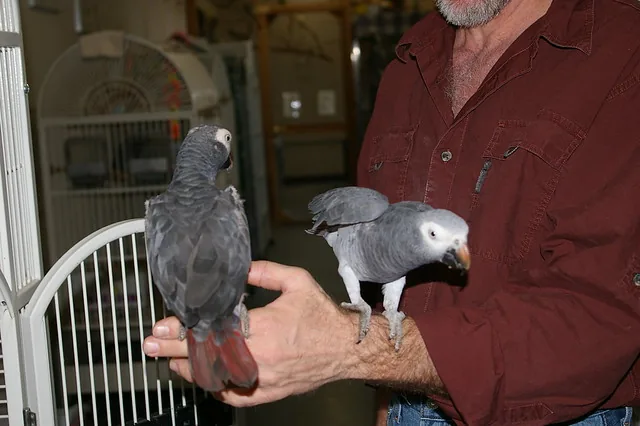
Size 12–14 in · 400–600 g 9–11 in · 275–375 g
Tail color Scarlet red Maroon / dark crimson
Lifespan 40–60 years 40–60 years
Talking ability ★★★★★ exceptional ★★★★☆ excellent, earlier
Talking onset ~12 months ~4–6 months (earlier)
Temperament Confident, dramatic Calmer, steadier
Best for Experienced owners First-time owners
Price (from C.A.Gs) $1,700–$2,500 $1,500–$1,600
Available now Roys · Amie · Bery · Jins/Jeni Elad · Evie
PCR DNA sexed Yes Yes
CITES docs Appendix I, captive-bred Appendix I, captive-bred

Priced & Ready

Which African Greys Are Available Now — at Which Price?

Every bird below carries the exact published price from the table above — captive-bred, PCR DNA-sexed, vet-checked, CITES Appendix I documented, fully weaned. No bait listings, no "inquire for price."

View All Birds →
Roys — Male Congo African Grey parrot, captive-bred, Midland TX Baby Boy Midland, TX

Roys

Male · 4 mo · Congo African Grey

"Hand-raised in our home from day one."

Hand-raised male Congo, 4 months old — captive-bred, PCR DNA-sexed, vet-checked, and CITES Appendix I documented before he ever ships.

CITES Cert PCR DNA-Sexed Vet Certified PBFD & APV Screened Fully Weaned

Ships nationwide · $185 airport · $350 home

$2,300 + $200 deposit
Inquire →
Amie — Female Congo African Grey parrot, captive-bred, Midland TX New Arrival Midland, TX

Amie

Female · 3 mo · Congo African Grey

"Socialized by our whole family."

Premium hand-raised female Congo, 3 months old. Closed-banded, hatch-certified, CITES Appendix I documented.

CITES Cert PCR DNA-Sexed Vet Certified PBFD & APV Screened Fully Weaned

Ships nationwide · $185 airport · $350 home

$2,500 + $200 deposit
Inquire →
Bery — Female Congo African Grey parrot, captive-bred, Midland TX Best Value Midland, TX

Bery

Female · 1 yr · Congo African Grey

"Gentle, settled, paperwork in hand."

Soft temperament, easy to handle. 1-year-old captive-bred female Congo with full health and CITES documentation.

CITES Cert PCR DNA-Sexed Vet Certified PBFD & APV Screened Fully Weaned

Ships nationwide · $185 airport · $350 home

$1,700 + $200 deposit
Inquire →
Elad — Male Timneh African Grey parrot, captive-bred, Midland TX Timneh Midland, TX

Elad

Male · 5 mo · Timneh African Grey

"Smaller bird, same documentation standard."

Hand-raised male Timneh, 5 months old. PCR DNA-sexed, avian-vet certified, captive-bred and never wild-caught.

CITES Cert PCR DNA-Sexed Vet Certified PBFD & APV Screened Fully Weaned

Ships nationwide · $185 airport · $350 home

$1,600 + $200 deposit
Inquire →
Evie — Female Timneh African Grey parrot, captive-bred, Midland TX Timneh Midland, TX

Evie

Female · 6 mo · Timneh African Grey

"Calm, clever, ready to come home."

Hand-raised female Timneh, 6 months old. Closed band, hatch certificate, and CITES Appendix I paperwork included.

CITES Cert PCR DNA-Sexed Vet Certified PBFD & APV Screened Fully Weaned

Ships nationwide · $185 airport · $350 home

$1,500 + $200 deposit
Inquire →
Jins + Jeni — Pair Congo African Grey parrot, captive-bred, Midland TX Must-Go Pair Midland, TX

Jins + Jeni

Pair · 4–6 mo · Congo African Grey

"Two bonded birds, one documented package."

Unrelated captive-bred pair, must be adopted together. Jins (male, 6mo) + Jeni (female, 4mo). Both hand-raised and fully documented.

CITES Cert PCR DNA-Sexed Vet Certified PBFD & APV Screened Fully Weaned

Ships nationwide · $185 airport · $350 home

$3,500 pair + $200 deposit
Inquire →

Want the deeper story on either variant before you choose? Our Congo African Grey page and Timneh African Grey page cover temperament, talking ability, and current availability in full.

Eggs & Pairs · The Other Price Tags

How Much Do African Grey Eggs and Breeding Pairs Cost?

Single chicks are not the only thing we price openly. If you incubate your own clutch, candled African Grey parrot eggs are $95 each, with free US shipping once you order five. A proven African Grey breeding pair for your own aviary runs a flat $3,000 — DNA-sexed and CITES-documented exactly like every bird on the price list above.

Want a quote that bundles an egg order or a pair with shipping? Ask C.A.Gs in the form below and we'll put the numbers in writing.

A documented captive-bred Congo African Grey from C.A.Gs, the trusted Midland, Texas breeders behind these honest prices
Documented, captive-bred, priced on the page
Reserve before public listing

Fair Price, Real Bird, First Pick

No deposit to join. We email new African Grey availability before it is posted, so you are not bidding against the whole internet.

Availability emails only, never shared.

Price FAQ

African Grey Parrot Price — Your Questions, Answered

The pricing questions buyers actually bring us — variant prices, the deposit, what's included, shipping, and the honest lifetime math — answered the same plain way we answer them on the phone.

Here at C.A.Gs, a captive-bred African Grey costs $1,500 to $3,500: Congo babies run $2,300–$2,500, Congo adults $1,700, Timnehs $1,500–$1,600, and a bonded pair $3,500. Every price includes the complete documentation packet — CITES Appendix I captive-bred paperwork, hatch certificate, closed band, PCR DNA sexing, PBFD and Polyomavirus screening, and our 72-hour written guarantee. Knowing the full published range up front means you can budget accurately and recognize a too-good-to-be-true listing instantly.

A hand-raised baby Congo African Grey (3–6 months old) is $2,300–$2,500 from our aviary. Babies sit at the top of our range because they carry the most labor: 12–16 weeks of hand-feeding, daily socialization by our whole family, and full health screening before they travel. The benefit of paying baby pricing is a Grey that arrives already people-bonded — weeks of taming instead of months.

Our Timneh African Greys are $1,500–$1,600. Timnehs cost less than Congos because they are the smaller, less-recognized variant — not because they are lesser birds. They ship with the identical documentation packet, and many first-time owners actually do better with a Timneh's calmer temperament and earlier talking onset. The benefit: the same 40–60 year African Grey companionship at the most accessible entry price we publish.

An African Grey's price reflects what it takes to produce one bird legally and well: months of hand-feeding labor, PCR DNA sexing and disease screening at an avian lab, a veterinarian's certificate, CITES Appendix I captive-bred documentation, and a USDA AWA-licensed facility behind it all. Greys also lay small clutches and wean slowly at 12–16 weeks, so supply is genuinely limited. The benefit of that price is everything a cheap listing skips — verified health, legal paperwork, and a breeder who answers the phone for the life of the bird.

Treat any African Grey advertised well below $1,500 as a red flag until proven otherwise. The figure is not arbitrary — $1,500 is the realistic floor for a legally documented, health-screened captive-bred Grey, and listings far beneath it are usually one of two things: a scam with no bird at all, or a bird without the CITES paperwork that makes ownership legal. Our scam-prevention guide walks through the exact scripts. The benefit of knowing the floor is that the most common parrot fraud online stops working on you.

We understand why people type "cheap African Grey parrot for sale" — but here at C.A.Gs we'd gently steer you away from the word cheap. A genuinely cheap Grey almost always means one of three things: no bird behind the listing at all, an undocumented bird with no legal CITES Appendix I paperwork, or hidden "documentation" and shipping fees bolted on after your deposit. Our published floor is $1,500 for a Timneh, every figure all-in, and you can see our actual available African Greys and their real prices before you ever send a dollar. The benefit of paying one honest price is that you never wire money to a "$600 Grey" that was never going to arrive.

Every C.A.Gs price includes the bird's complete file at no extra charge: CITES Appendix I captive-bred documentation, hatch certificate with closed-band number, PCR DNA sexing certificate, PBFD and Avian Polyomavirus screening results, a board-certified avian veterinarian's health certificate, and our 72-hour written health guarantee. The benefit is a single honest number — you never get to deposit day and discover a "documentation fee" was waiting behind the price tag.

The deposit is $200, it reserves a specific named bird, and it is applied in full toward the final price — not added on top. We accept traceable payment methods only and never ask for gift cards, cryptocurrency, or wire transfers to personal accounts, because those are the hallmarks of parrot payment fraud. The benefit of a traceable $200 deposit is a paper trail that protects you before a single feather travels.

We ship nationwide under IATA Live Animals Regulations on Delta, United, or American: airport pickup at your nearest major airport is $185, door-to-door home delivery is $350, and an in-cabin flight nanny — where the bird never enters the cargo hold — is quoted per route from $750. The benefit of flat published tiers is that your total cost is knowable before you commit, with no destination-based surprises.

Beyond the purchase price, plan on $825–$2,000 in first-year costs: a large cage ($300–$800), perches and starter toys ($100–$300), an initial avian vet visit ($75–$200), a year of food ($200–$400), and enrichment ($150–$300). The cage and vet figures are typical industry ranges — your local prices may differ. The benefit of budgeting the first year before the bird arrives is that the only surprise left is how fast you fall for the bird.

African Greys live 40–60 years, and ongoing care of $375–$1,350 per year compounds to roughly $15,000–$54,000 over a 40-year life and $22,500–$81,000 over 60 years — on top of the purchase price. A Grey can outlive its owner, so responsible ownership includes naming a future caretaker. The benefit of facing the lifetime math now is that you make a once-in-a-lifetime decision deliberately instead of discovering it by surprise in year three.

More questions beyond pricing? Our full African Grey buyer FAQ covers care, talking, shipping logistics, and everything in between.

Go Deeper

What Should You Read Next, Now That You Know the Numbers?

Comparing roads? The adoption cost breakdown handles rescue-fee math and our adoption guide the whole decision. Verifying value?

The captive-bred guide and our health guarantee show what the price buys, and the scam-prevention guide protects every dollar of it. Budgeting the years ahead? Our food guide is the place to start.

Budget set? Let us tell you first when a Grey in your range is ready.

Get Your Exact Number

Want the All-In Price for a Specific Bird? Ask Us — We'll Itemize It

Tell us which Grey caught your eye — or just your budget and your household — and Mark or Teri will reply within 24 hours with the exact all-in figure: bird, shipping tier, and the complete documentation packet, itemized with nothing hiding behind the total.

Every C.A.Gs Grey is captive-bred, PCR DNA-sexed, health-screened, vet-certified, CITES Appendix I documented, and shipped nationwide ($185 airport / $350 home).

Adopt an African Grey — Inquiry Form

We review every application. Expect a response within 24 hours.

If yes, please explain in detail. Honest answers are appreciated.

Are you involved in any pet store, commercial parrot breeding operation, or getting parrots for cheap resale? *
Select what you want below * — Our price is the same for pickup or shipping.
How to get your grey parrot? *
Are you a First-Time or Experienced Parrot Owner? *

Your information is private and never shared. We respond within 24 hours.