1. Home
  2. African Grey Care

Care Resource Hub · Guides for Every Stage

African Grey Care

This is our hub for every African Grey parrot care resource we publish here at C.A.Gs — a quick overview of what owning a Grey involves, with a clear link out to the deep-dive guide for each topic.

USDA-licensed breeders Mark & Teri Benjamin have hand-raised captive-bred, CITES Appendix I Congo and Timneh African Greys in Midland, Texas since 2014, and this is where we point families to the answer they need next.

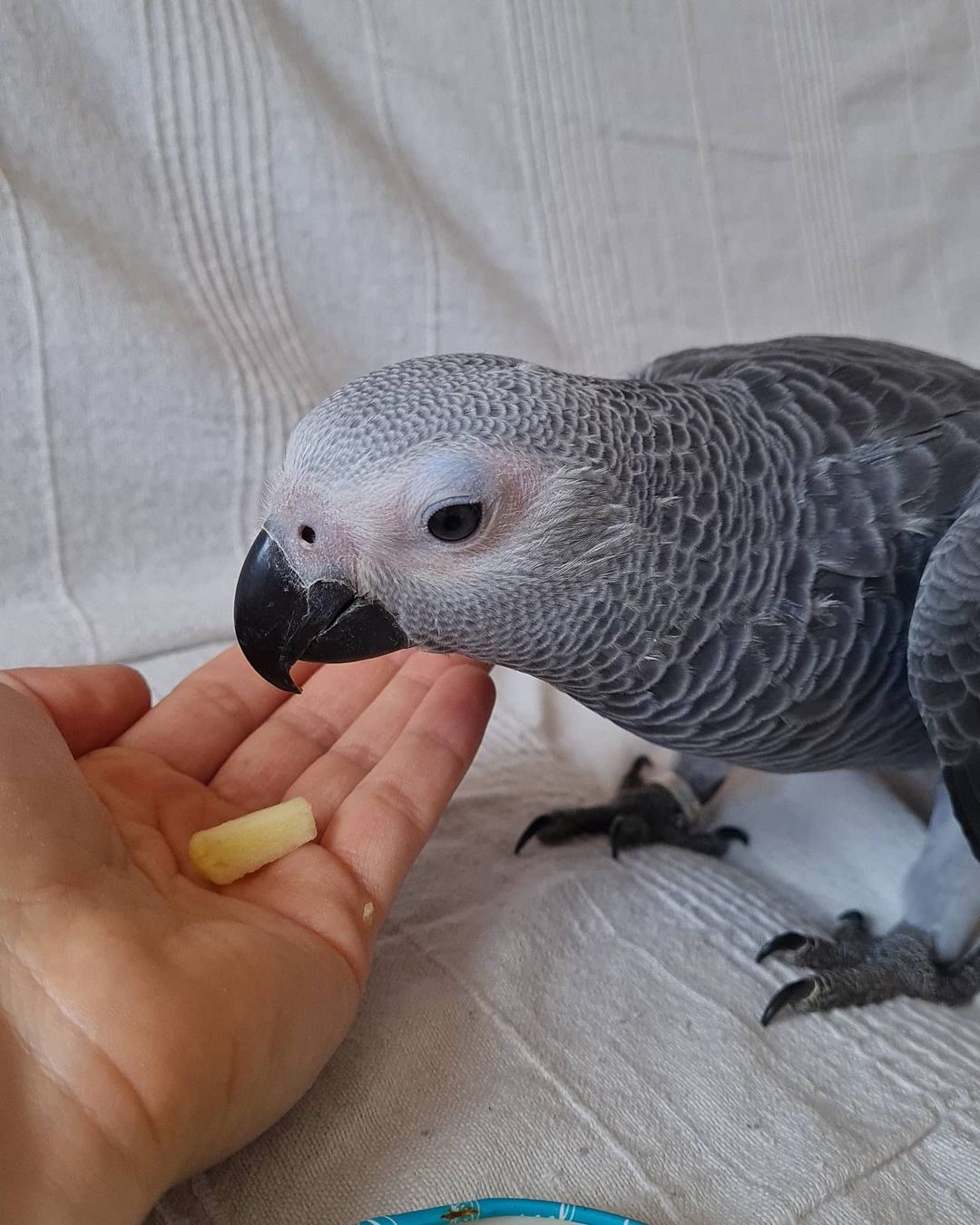
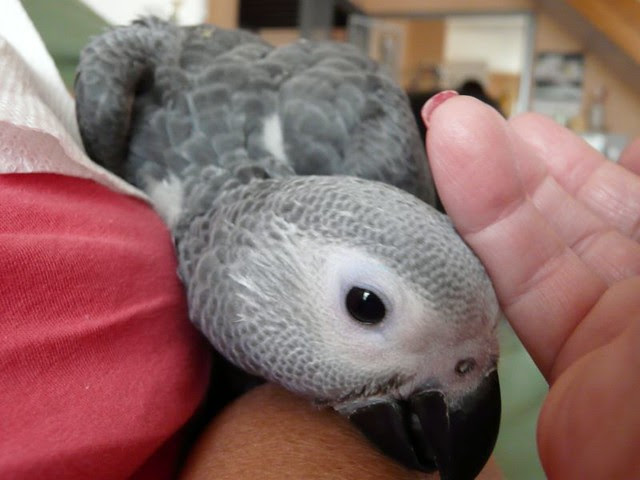
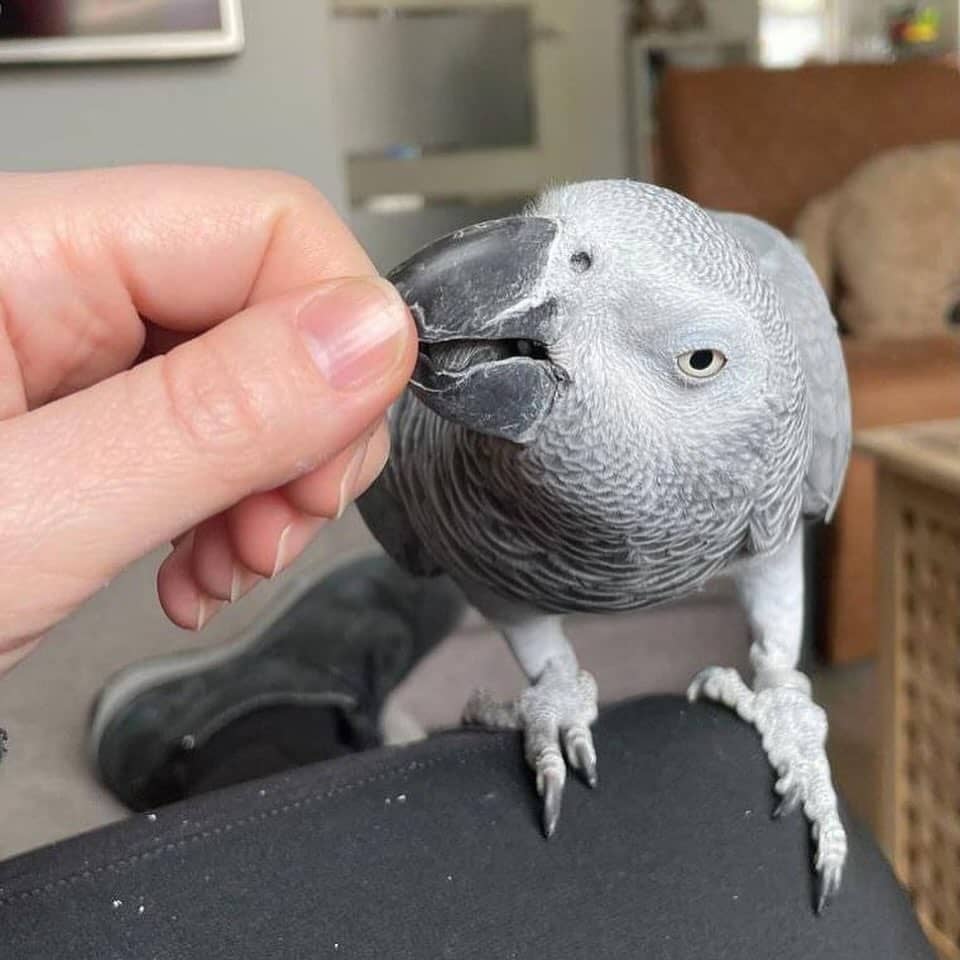
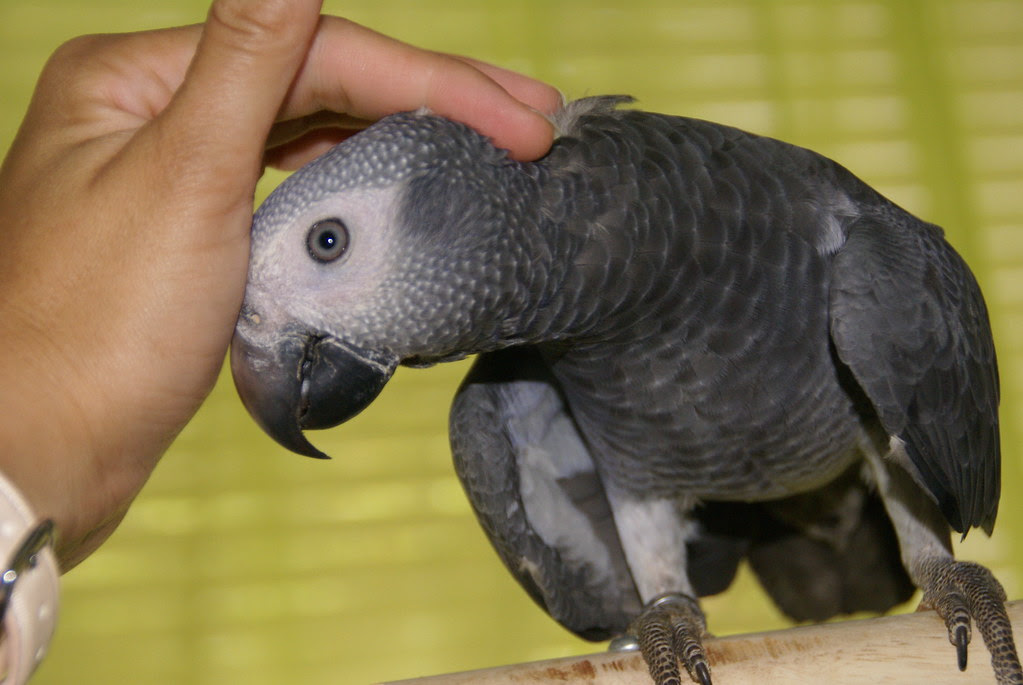
Hand-raised Congo African Grey parrot out of its cage during daily enrichment time at the C.A.Gs aviary in Midland, Texas — the kind of daily care this hub helps you plan.
3–4h
Daily Out-of-Cage
60–80%
Pellet Base
40–60
Yrs Commitment
2014
Hand-Raising Since

The short version

What Does African Grey Care Involve?

6 essentials · 60-sec read
Pellets
Daily Diet

A base of 60–80% formulated pellets plus fresh veg — never seed-only, never avocado. Full plan in our diet guide.

48"
Cage Height

A Congo needs at least 36" W × 24" D × 48" H in stainless steel; the care guide has the full spec.

3–4 hr
Daily Time

Greys are as social as a young child — they need hours of interaction and out-of-cage time, not just space.

UV-B
Light + D3

Full-spectrum UV-B lets a Grey make the vitamin D3 it needs to absorb calcium and avoid hypocalcemia.

Annual
Avian Vet

A yearly wellness exam catches the illness a Grey instinctively hides until it is advanced.

40–60 yr
Lifespan

An African Grey is a multi-decade commitment — care planning is care for life, not just for a year.

One Email When the Next Hand-Raised Grey Is Ready

We point families to the right care answer, then tell them first when a Congo or Timneh chick becomes available.

No spam. Unsubscribe anytime.

Care Resource Library

What's Inside Our African Grey Care Library?

Rather than cram every detail onto one page, here at C.A.Gs we keep a focused guide for each part of African Grey ownership — and this hub is the index that points you to the right one. New to Greys?

Begin with our complete African Grey care guide, then branch into the specific topics below. Each card links straight to a guide written from the same routine we use to hand-raise our own birds.

Start here

Complete African Grey Care Guide

Our full pillar guide — diet ratios, exact cage specs, enrichment, UV-B lighting, grooming, the common health issues, and vet schedule in one long read. Everything below is a deeper cut of a section in here.

Read the full care guide →

Feeding

African Grey Diet & Feeding Schedule

The day-to-day plan: the 60–80% pellet base, which fresh vegetables deliver vitamin A, how we handle calcium, and a realistic feeding routine for a Congo or Timneh.

See the diet guide →

Food

Best African Grey Parrot Food

Which pellet brands we trust (and why), the safe fresh foods, foraging treat ideas, and the full toxic-food list every Grey owner must memorize before the first meal.

Compare the best foods →

Longevity

African Grey Lifespan & Aging

How long Congo and Timneh Greys really live, the husbandry factors that decide whether a bird hits the upper end of 40–60 years, and how to support a Grey at every life stage.

Read the lifespan guide →

Health

African Grey Health Guarantee

The written health guarantee behind every C.A.Gs Grey, the avian-vet exam and screening we do before placement, and exactly what your documentation covers when your bird arrives.

See the health guarantee →

Training

How to Tame an African Grey

Our step-by-step taming and trust-building method for a new bird — first-day handling, the step-up command, bite prevention, and building a bond that lasts decades.

Learn the taming method →

Answers

African Grey Parrot FAQ

Quick, direct answers to the questions buyers and new owners ask us most — noise, being left alone, talking, sexing, legality, and the things people only think to ask after they own one.

Browse the full FAQ →

Quick-Start Basics

What Are the 5 Pillars of African Grey Care?

African Grey care comes down to five things done well — diet, housing, enrichment, veterinary care, and social time. Here is the overview of each, with a link down to the full guide whenever you want the detail behind it.

Get these five right and the 40-to-60-year lifespan a captive-bred Grey is capable of becomes a realistic plan, not a hope.

01

Diet

Feed a base of 60–80% formulated pellets plus fresh, vitamin-A-rich vegetables and only limited fruit, and skip toxic foods like avocado and chocolate entirely.

Diet is the single biggest driver of a Grey's health — our African Grey diet guide and best-food guide cover the brands, ratios, and full toxic list.

02

Housing

A single Congo needs a stainless-steel cage of at least 36" W × 24" D × 48" H with ¾"–1" bar spacing, placed against a wall in a busy room and far from kitchen fumes.

Our complete care guide carries the exact cage, perch, and placement specs.

03

Enrichment

Rotate foraging and puzzle toys, hide food to make a clever bird work for it, and give 3–4 hours of supervised out-of-cage time daily.

A bored Grey plucks and screams — the same intelligence that makes our birds trainable and tameable is what demands real mental stimulation.

04

Veterinary Care

Line up a board-certified avian vet before your bird arrives, and book an annual wellness exam — Lafeber's avian-vet information sheet explains why Greys hide illness until it is advanced.

Every C.A.Gs Grey ships with an avian-vet health certificate and the written health guarantee behind it.

05

Social Time

A Grey bonds deeply with its family and needs daily one-on-one attention, conversation, and routine.

It does not need a second bird, but it does need you — chronic loneliness is the leading cause of behavioral problems, which is why we match each Grey to a home ready to engage with it.

Want the whole picture?

Our pillar guide ties all five together — with the cage specs, UV-B lighting setup, grooming, common health issues, and vet schedule in one read.

Open the full care guide →

Which Pillar Should a Brand-New Owner Read First?

Diet — because it is the pillar already in motion the day your Grey arrives. Housing can be fixed in a weekend and enrichment grows over months, but every meal from day one is either building calcium reserves or quietly draining them.

What Do We Set Up Before a Bird Leaves Us?

Pillars one and four come pre-installed: every C.A.Gs Grey is weaned onto a pellet-based diet and examined by a board-certified avian vet before travel — so your job starts at housing, enrichment, and social time.

Re-Read the Pillars at Month Three

Once the honeymoon settles, run this list again. The pillar most owners discover they underestimated is enrichment — a three-month-old routine is exactly when a clever Grey starts asking for more.

Can You Skip a Pillar If You're Experienced?

You can adapt them, but you can't skip them — even seasoned owners who shorten the housing or grooming routine still build the whole structure, because a Grey's needs don't relax just because the human has done this before.

The One We Never Let Slide

Diet is the pillar we hold every family to without exception — a Grey can recover from a small enrichment gap, but a calcium shortfall compounds silently for months before it shows.

Do the Pillars Change for a Timneh?

The same five apply to a Timneh African Grey — only the cage footprint shrinks slightly. Diet, lighting, enrichment, social time, and vet care are identical to a Congo's.

Same Five, Slightly Smaller Footprint

A Timneh's marginally smaller size lets you trim the cage dimensions, but never the daily interaction — the social pillar is where both subspecies are exactly the same.

Which Pillar Causes the Most Vet Visits?

Diet and lighting, almost every time — the hypocalcemia and vitamin-A problems we see traced back to a seed-heavy bowl or a missing UV-B lamp far more often than to any injury or infection.

Get These Two Right and Most Visits Are Routine

Nail the diet and the lighting and your avian-vet trips become annual wellness checks rather than emergencies — that is the whole point of front-loading the two hardest pillars.

What If You Can Only Master One This Month?

Start where the clock is already running: diet. Housing and enrichment can be improved on your own timeline, but every meal is already either building or draining your Grey's reserves from day one.

The Rest Will Follow Naturally

Owners who get the bowl right first tell us the other four pillars fall into place almost on their own — a well-fed Grey is calmer, more curious, and far easier to build a full routine around.

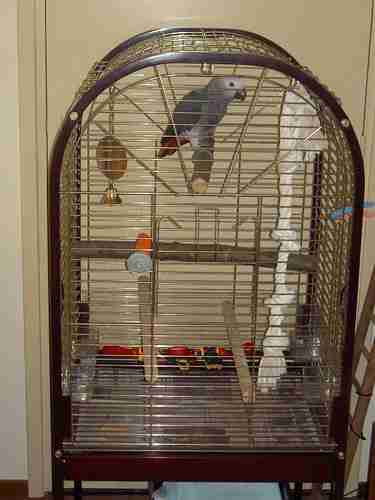
Do Congo and Timneh African Greys Need Different Care?

The day-to-day care is the same for both — diet, lighting, enrichment, and vet care don't change between the species.

What differs is size and temperament: a Congo African Grey is larger and a little more sensitive, while a Timneh African Grey is smaller, calmer, and often the easier first bird.

The well-documented split between the two — recognized as separate species by conservation references such as the World Parrot Trust grey parrot encyclopedia — is summarized side by side below.

Compare Care · Congo vs Timneh

Congo vs Timneh — Which Grey Fits Your Home?

Here at C.A.Gs we hand-raise both, and neither is harder to care for than the other — the Congo simply needs the larger cage and a steadier routine for its sensitivity, while the calmer Timneh is the gentler introduction for first-time owners. Both get identical diet, UV-B lighting, enrichment, and vet care.

Feature
Congo African Grey icon Congo African Grey The classic, dramatic talker
Timneh African Grey icon Timneh African Grey Calmer, earlier to bond
Species Psittacus erithacus Psittacus timneh
Size 12–14 in · 400–600 g 9–11 in · 275–375 g
Tail color Scarlet red Maroon / dark crimson
Lifespan 40–60 years 40–60 years
Talking ability ★★★★★ exceptional ★★★★☆ excellent, earlier
Talking onset ~12 months ~4–6 months (earlier)
Temperament Confident, dramatic Calmer, steadier
Best for Experienced owners First-time owners
Price (from C.A.Gs) $1,700–$2,500 $1,500–$1,600
Available now Roys · Amie · Bery · Jins/Jeni Elad · Evie
PCR DNA sexed Yes Yes
CITES docs Appendix I, captive-bred Appendix I, captive-bred

This Week's Aviary

Which Hand-Raised C.A.Gs African Greys Are Ready Right Now?

Every Congo and Timneh African Grey we hand-feed here at C.A.Gs is PCR DNA-sexed, examined by a board-certified avian vet, CITES Appendix I-documented, and fully weaned at 12–16 weeks — and each one goes home on the exact diet and routine these care guides describe, with lifetime support from Mark & Teri.

View All Birds →
Roys — Male Congo African Grey parrot, captive-bred, Midland TX Baby Boy Midland, TX

Roys

Male · 4 mo · Congo African Grey

"Energetic, curious, and impossible to ignore."

Hand-raised male, 4 months old. Thrives in a lively home where there's always something to watch.

CITES Cert PCR DNA-Sexed Vet Certified PBFD & APV Screened Fully Weaned

Ships nationwide · $185 airport · $350 home

$2,300 + $200 deposit
Inquire →
Amie — Female Congo African Grey parrot, captive-bred, Midland TX New Arrival Midland, TX

Amie

Female · 3 mo · Congo African Grey

"She mimics your laugh before you finish it."

Premium hand-raised female, 3 months old. Full social training. Responds to her name already.

CITES Cert PCR DNA-Sexed Vet Certified PBFD & APV Screened Fully Weaned

Ships nationwide · $185 airport · $350 home

$2,500 + $200 deposit
Inquire →
Bery — Female Congo African Grey parrot, captive-bred, Midland TX Best Value Midland, TX

Bery

Female · 1 yr · Congo African Grey

"Gentle, easy, and the bird first-time owners dream of."

Soft temperament, easy to handle. 1-year-old female — personality fully developed, ready to bond.

CITES Cert PCR DNA-Sexed Vet Certified PBFD & APV Screened Fully Weaned

Ships nationwide · $185 airport · $350 home

$1,700 + $200 deposit
Inquire →
Elad — Male Timneh African Grey parrot, captive-bred, Midland TX Timneh Midland, TX

Elad

Male · 5 mo · Timneh African Grey

"Smaller bird. Bigger personality than you expected."

Hand-raised male Timneh African Grey, 5 months old. Full social training. Ready to go home.

CITES Cert PCR DNA-Sexed Vet Certified PBFD & APV Screened Fully Weaned

Ships nationwide · $185 airport · $350 home

$1,600 + $200 deposit
Inquire →
Evie — Female Timneh African Grey parrot, captive-bred, Midland TX Timneh Midland, TX

Evie

Female · 6 mo · Timneh African Grey

"Calm, clever, and ready to come home."

Hand-raised female Timneh African Grey, 6 months old. Full social training. Gentle and sociable.

CITES Cert PCR DNA-Sexed Vet Certified PBFD & APV Screened Fully Weaned

Ships nationwide · $185 airport · $350 home

$1,500 + $200 deposit
Inquire →
Jins + Jeni — Pair Congo African Grey parrot, captive-bred, Midland TX Must-Go Pair Midland, TX

Jins + Jeni

Pair · 4–6 mo · Congo African Grey

"Two birds, one bond. They go together — and so do you."

Unrelated pair, must be adopted together. Jins (male, 6mo) + Jeni (female, 4mo). Both hand-raised with full social training.

CITES Cert PCR DNA-Sexed Vet Certified PBFD & APV Screened Fully Weaned

Ships nationwide · $185 airport · $350 home

$3,500 pair + $200 deposit
Inquire →
✓ CITES Captive-Bred Cert✓ PCR DNA Sex Certificate✓ Avian Vet Health Cert✓ Hatch Certificate
A hand-raised African Grey at free play outside its cage during enrichment time at C.A.Gs in Midland, Texas
Out-of-cage play, the way a Grey should live
Care hub updates

Care Questions Answered, Chicks Worth the Wait

Get our practical African Grey care notes and an early heads-up on every new clutch from our Midland aviary.

Care notes and clutch alerts, nothing else.

Hub Questions

African Grey Care Questions, Answered

Start with our complete African Grey parrot care guide — it walks the whole picture (diet, cage, enrichment, lighting, health, and vet care) in order. From there, dive into the specific resource you need next: the diet guide for feeding, the best-food guide for pellet brands and the toxic list, the lifespan guide for the long view, or the taming guide for a brand-new bird. This hub page exists to point you to the right one fast.

At a glance: a pellet-based diet (60–80% formulated pellets plus fresh vegetables), a large stainless-steel cage (at least 36" W × 24" D × 48" H for a Congo), 3–4 hours of daily interaction and out-of-cage time, full-spectrum UV-B light for vitamin D3, regular bathing, and an annual avian-vet wellness exam. Each of those areas has its own deep-dive guide linked from this hub — this page is the map, the linked guides are the detail.

The husbandry is identical — diet, lighting, enrichment, and vet care don't change between the two species. The differences are size and temperament: a Congo African Grey is larger and needs the bigger end of every cage and perch spec, and is more sensitive to change, while a Timneh is smaller, calmer, and often a more forgiving first bird. Our care guide covers the shared routine, and our Congo vs Timneh comparison shows the day-to-day differences side by side.

Plan on 3–4 hours of direct interaction and supervised out-of-cage time every day. Greys are intensely social and as intelligent as a young child, so chronic boredom and loneliness are the leading causes of feather-plucking and screaming. A Grey is not a low-maintenance pet — it needs your time, not just your space.

Properly cared-for African Greys commonly live 40 to 60 years, and some reach 70+. That makes a Grey a genuine multi-decade, lifetime commitment — many owners name a guardian for their bird in their estate documents. We talk every C.A.Gs buyer through that reality before placement, and our lifespan guide explains the husbandry that decides whether a bird reaches the upper end of that range.

Yes. African Greys are protected under CITES Appendix I, and every C.A.Gs Grey is captive-bred in the USA — never wild-caught — and placed with full documentation: a CITES captive-bred certificate, a PCR DNA sexing certificate, a board-certified avian-vet health certificate, a hatch certificate, and a closed band. Captive-bred Appendix I birds are legal to own and transfer domestically with that paperwork, which we hand you before any money moves.

Yes — find one first. African Greys are prey animals that mask illness until it is advanced, so they need a board-certified avian or exotics vet (not a general small-animal clinic) for an annual wellness exam and any emergency. Lining up that vet before your bird arrives means you are never scrambling. Every C.A.Gs Grey also ships with an avian-vet health certificate dated within 10 days of travel.

Budget for first-year setup — a large cage ($300–$800), perches and toys ($100–$300), and an initial avian-vet visit ($75–$200) — plus ongoing annual costs for quality food ($200–$400), a wellness exam ($75–$200), and replacement enrichment. Shipping a C.A.Gs Grey is $185 for airport pickup or $350 for home delivery. The bird is a decades-long companion, so we encourage every family to plan the lifetime cost, not just the sticker price.

Looking for the depth behind these answers? Our complete African Grey care guide covers the full husbandry routine, and our African Grey FAQ tackles the buyer-and-owner questions this hub doesn't.

Following our care advice? Be first when a new Grey is ready for a home.

Ready When You Are

Ready to Bring Home a Captive-Bred African Grey?

Every Grey from C.A.Gs is hand-raised on the same routine these guides describe — fully weaned, PCR DNA-sexed, avian-vet certified, and placed with full CITES Appendix I documentation, never wild-caught.

Tell us about your home and which Grey caught your eye in the form below, and Mark or Teri will reply within 24 hours. Still comparing the two species? Our Congo Greys and Timneh Greys are both ready to meet you.

Adopt an African Grey — Inquiry Form

We review every application. Expect a response within 24 hours.

If yes, please explain in detail. Honest answers are appreciated.

Are you involved in any pet store, commercial parrot breeding operation, or getting parrots for cheap resale? *
Select what you want below * — Our price is the same for pickup or shipping.
How to get your grey parrot? *
Are you a First-Time or Experienced Parrot Owner? *

Your information is private and never shared. We respond within 24 hours.